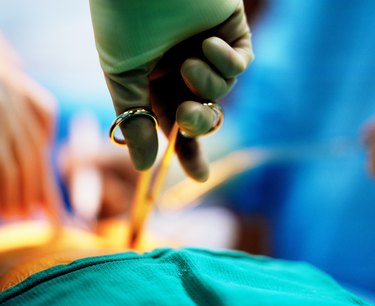
Cholecystectomy is the name of the surgery for the removal of the gallbladder, which is one of the most common surgical procedures for women in the United States, notes the University of Maryland Medical Center. After the removal of the gallbladder, you may experience diarrhea, which can improve over time or last for years, according to a report from Johns Hopkins University. Certain foods may worsen your condition so you need to be aware of what foods are less likely to aggravate your system.
Low Fat Foods
Video of the Day
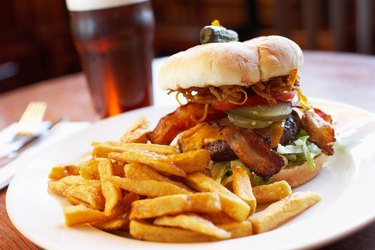
Although the gallbladder may not be essential, it does play an important role in the digestion process, especially the digestion of fat. The gallbladder stores and release bile, which is a substance the body uses to process fat. After gallbladder removal, bile still flows from the liver into the intestines but in a more sporadic way, which can also causes discomfort after eating a particularly fatty meal. The National Health Service in the UK recommends avoiding fatty foods, including dairy products because they can worsen diarrhea. Similarly, the University of Wisconsin School of Medicine and Public Health suggest avoiding fatty foods for a while after surgery and reintroducing them to the diet slowly over time.
Video of the Day
High Fiber Foods
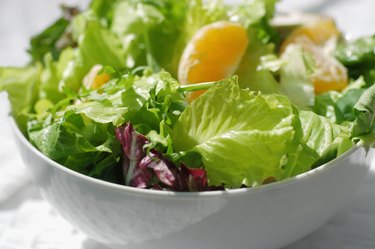
Eating more foods that are high in fiber, like brown rice and wholemeal bread, can help to make stools more firm, notes NHS. Increasing your daily fiber intake gradually and include foods like fruits, vegetables, lentils and beans, in addition to whole grains. Eating smaller meals, more frequently, and evenly spaced throughout the day can also improve your digestion process. Furthermore, ensuring that you consume at least four servings of fruits and vegetables and four servings of breads and cereals daily is recommended by the University of Wisconsin School of Medicine and Public Health, especially after surgery. Another benefit of including foods that are high in fiber is that it can improve the movement of food through your digestive system and help to reduce bloating.
Caffeine Free, Low Sugar Foods and Probiotics
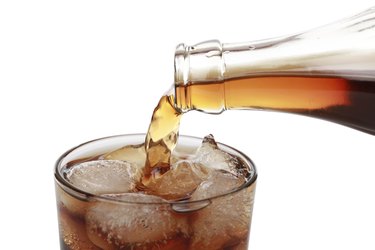
It is important to limit foods that can make diarrhea worse, like caffeine containing drinks and very sweet foods or drinks. Caffeine has a stimulating effect on your body. It kicks all your body systems into high gear, including digestion, notes Medline Plus and these effects can exacerbate diarrhea. NHS suggests abstaining from coffee and tea altogether. Caffeine is also commonly found in sodas and chocolates and these foods should also be avoided. The National Institutes of Health recommends a daily probiotic supplement because the healthy bacteria found in probiotics can increase the efficiency of digestion and help heal diarrhea.
- National Health Service: Do I need to change my diet after gallbladder surgery?
- University of Wisconsin School of Medicine and Public Health: Cholecystectomy Home Care
- University of Maryland Medical Center: Gallstones and Gallbladder Disease
- Johns Hopkins Medical Center: Life Without a Gallbladder
- Medline Plus: Caffeine in the diet
- National Institutes of Health: Managing Bowel Dysfunction
- American College of Surgeons: Cholecystectomy
Is this an emergency? If you are experiencing serious medical symptoms, please see the National Library of Medicine’s list of signs you need emergency medical attention or call 911.