




























Although there is no sure way to prevent cancer, there are dietary guidelines that may aid in cancer prevention. Research does not conclusively support these guidelines, however, eating saturated animal fats such as those found in red meat may pose the greatest risk of cancer, according to the MayoClinic website. Other foods to avoid include processed foods, deep-fried foods and excessive salt and sweets.
Saturated Fats
Saturated animal fats may pose the greatest risk of cancer, such as those found in fatty red meats, bacon, sausages, whole milk, butter, cheese, full fat yogurt, cream, ice cream and sauces. However, results of research studies on the link between consumption of animal fats and cancer is inconclusive. Although it is thought that diets of European women that include a high intake of monounsaturated fats such as olive oil lower the risk of breast cancer, the Harvard School of Public Health reports there is no important relation between the type or quantity of fats consumed and the incidence of breast cancer. Because some evidence does link fats with prostate cancer, Harvard researchers state more studies are needed to rule out the role of excessive animal fat consumption in this type of cancer.
Excessive Salt and Processed Foods
A high-salt diet may increase the risk of stomach cancer. Salt in bacon and high-sodium processed foods can inflame and damage the lining of the stomach and make it vulnerable to the formation of cancerous tumors. Because most salt comes from processed foods, it is wise to avoid ready-made meals and fast food, as well as canned, pickled and smoked foods and sauces. Choose products labeled low or reduced sodium.
Burned or Charred Red Meat
Eating barbecued red meat, especially if it is charred or burned, has been linked to a higher risk of certain types of cancer. Heterocyclic amines form on the surface of meat such as hamburgers, bacon, sausages, pork, beef and lamb that is barbecued, roasted or grilled. These amines cause changes in DNA that may increase the risk of cancer, according to the National Cancer Institute. The Institute reports that although relevant research is inconclusive because it is difficult to determine how much charred meat an individual consumes, numerous epidemiologic studies using questionnaires have found a link between high consumption of barbecued or well-done meats and the increased risk of pancreatic, prostate and colon cancer.
Fried and Baked Foods
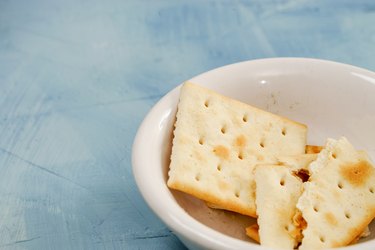
The acrylamide found in fried and baked foods such as potato chips, crackers, breakfast cereals, biscuits and bread may trigger cancer, according to the National Cancer Institute. Acrylamide is present in carbohydrate-rich foods heated to a temperature above 248 degrees Fahrenheit. French fries, especially those from fast-food chains, onion rings and potato chips contain the greatest amounts of acrylamide, up to 500 times what the World Health Organization considers safe, which has prompted the WHO to list acrylamide as a major health concern.
Refined Foods
Refined foods such as white breads and pastas are also to be avoided, including sweet processed snack foods. A nutritionally poor diet low in fruits and vegetables and high in refined foods has been linked to lung cancer, according to the University of Maryland Medical Center. Eating foods rich in iron and B-vitamins such as whole grains may act as a preventive for cancer.
Caffeine and Alcohol
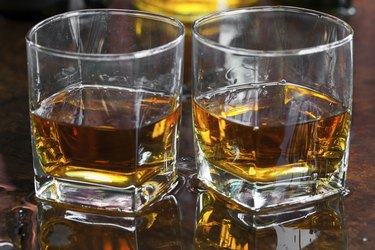
Alcohol beyond recommended daily doses that equal two small glasses of wine or beer for men and one for women has been linked to a greater risk of cancer of the liver, the mouth, the esophagus and to bowel and breast cancer. Heavy drinking has been shown in studies to also heighten the risk of aggressive prostate cancer. Other stimulants in general, including caffeine and tobacco, are to be avoided.
References
- MayoClinic.com: Prostate Cancer Prevention: What You Can Do
- Office of Dietary Supplements: National Institutes of Health: Vitamin A and Carotenoids
- National Cancer Institute: Chemicals in Meat Cooked at High Temperatures and Cancer Risk
- National Cancer Institute: Acrylamide in Food and Cancer Risk
- University of Maryland Medical Center: Lung Cancer
- Harvard School of Public Health: Fats and Cholesterol: Out With the Bad, In With the Good


Member Comments