A positron emission tomography (PET) scan is a nuclear diagnostic tool that examines functioning body tissue, such as blood flow, oxygen use and sugar metabolism, to help doctors diagnose and treat disease. Extremely small cancerous tumors and changes in the heart and brain can show up with a PET scan using a small amount of radioactive glucose injected into a vein. It's important to follow a specific pre-PET scan diet to allow proper distribution of glucose throughout your body, perhaps revealing signs of potential health issues.
Types of PET Scans
Video of the Day
There are two types of PET scans. The FDG-PET scan is used for heart conditions or detection of tumors, brain disorders or infections. The myocardial perfusion PET, also known as rubidium PET, is used primarily for cardiac exams, according to Cedars-Sinai.
Video of the Day
The latest advancement is the PET-CT scan, which is a combined PET and CT (computed tomography) scan that can provide the most accurate diagnosis. Each type of scan requires different PET scan prep, so check with your doctor to be sure about which type you're scheduled to receive.
The Day Before Your Scan
If your scan is the rubidium PET type, you shouldn't drink caffeine or decaffeinated products, such as coffee, tea, chocolate or sodas, for 24 hours before your appointment. If you're taking a beta blocker or a calcium channel blocker, consult with your doctor.
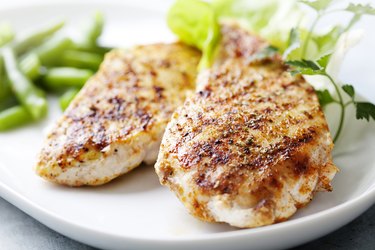
If your PET is the FDG-PET, you shouldn't do any strenuous activity, such as exercising or heavy lifting, for 48 hours before your test, according to Cedars-Sinai. In the 24 hours prior to your scan, you should drink extra fluids but avoid sugar and other high-carbohydrate foods. Foods to eat before a PET scan include:
- Protein
–
nonbreaded chicken, beef, turkey, pork, lamb,
ham, hot dogs, lunch meat, fish, shellfish, most nuts, sunflower seeds, eggs
and unsweetened peanut butter
- Vegetables
–
green beans, broccoli, cabbage, cauliflower,
celery, asparagus, cucumber, lettuce, mushrooms and spinach
- Dairy
–
low-fat cottage cheese, hard cheese, sour cream, eggs,
butter and light yogurt
- Condiments
–
mayonnaise, salad dressing, oil, vinegar,
mustard, olives, dill pickles and barbecue sauce if it contains 3 grams or less
of carbohydrates, advises Spectrum Health
- Beverages
–
diet soda, water or sugar-free Crystal Light
Read more: Filling Low-Carb Foods
Foods to Avoid Before Your Scan
Before your FDG-PET scan, avoid anything containing glucose, along with most processed foods — even "low-carb" versions — for 24 hours prior to your scan, says Physicians Clinic of Iowa. Foods to avoid the day before a PET scan include:
- Vegetables
–
potatoes, squash, carrots, peas, tomatoes and corn
- Fruits – all fruit and fruit juices
- Grains – rice, rice cakes, bread, breaded foods, crackers and pasta
- Dairy – milk and ice cream, including nondairy
- Legumes – all beans and soybeans
- Beverages – beer, wine, liquor, coffee or tea
- Condiments – ketchup, syrups, jams, sauces and gravies
- Snack foods – chips, pretzels, candy, gum, cough drops and breath mints
Prescan Prep and Follow-Up
If your PET scan is the rubidium type, you can't eat or drink anything but water for three hours before the scan. In preparation for the FDG-type scan, you shouldn't chew gum or eat or drink anything, except water, for six hours before exam. For best test results, make sure you're well hydrated. People who have diabetes must fast for four hours prior to an exam, advises Physicians Clinic of Iowa. You may continue to take any medications with water, according to Spectrum Health. After the scan, drink plenty of fluids to help rinse the glucose and contrast dye from your body.
Is this an emergency? If you are experiencing serious medical symptoms, please see the National Library of Medicine’s list of signs you need emergency medical attention or call 911.