





































Addison's disease -- sometimes called chronic adrenal insufficiency or hypocortisolism -- is a form of adrenal disease that can cause electrolyte imbalance, resulting in fatigue and other symptoms. A diagnosis of Addison's disease is no reason for you to forgo exercise. In fact, an exercise program can constitute part of a treatment plan to help you manage your condition.
Addison's Disease Features
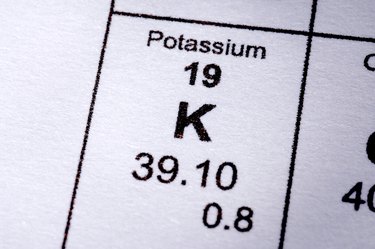
Addison's disease is caused by a complete or partial failure of the adrenal cortex -- or outer layer of adrenal glands -- responsible for producing cortisol, aldosterone, insulin and other substances. Cortisol, a glucocorticoid, helps the body respond to stress, slows the immune system's inflammatory response, maintains blood pressure and heart function, and regulates the metabolism of proteins, carbohydrates and fats. The shortage of cortisol and other hormones in Addison's disease causes high potassium and low salt levels in the body. Symptoms include fatigue, dizziness, low blood pressure, loss of appetite and weight. You may also experience nausea, vomiting and diarrhea. Hyperpigmentation, or darkening of areas of the skin, can occur as well. Autoimmune destruction of the adrenals is the most common form of the disease, constituting 80 percent of the cases. Addison's disease is treated with a combination of glucocorticoids and mineralocorticoids to replace the insufficient levels put out by the adrenal cortex.
Benefits of Exercise For Addison's Disease
Regular exercise -- which can help to alleviate stress and depression associated with the condition -- is advised for Addison's disease patients, and offers the same health benefits to Addison's patients as it does people without the disease. Addison's patients can engage in myriad activities, including rebounding exercises, walking, jogging, rowing, golf, aerobic dancing and gymnastics. The National Adrenal Diseases Foundation notes that exercise can have a therapeutic effect, adding that weight-bearing exercises such as walking or using a treadmill can help prevent osteoporosis, which can develop as a result of long-term steroid use. People with Addison's disease don't have to limit themselves to gentle exercise. Vigorous activities such as long distance running and weight lifting can be well tolerated by Addison's disease patients. However, if you are going to undertake strenuous exercise, consult with an endocrinologist to possibly adjust your medications.
Adjusting Medications
Gentle exercise -- such as walking -- usually doesn't require additional medication, notes the Addison's Disease Self Help Group, a U.K.-based charity. Returning to a sport to which you were accustomed before your diagnosis generally can be achieved without the use of extra medication as well. Start out gradually, such as by running or swimming for five minutes, then slowly increase the duration and intensity until you are back to your former level of conditioning.
When starting a new activity that requires some exertion -- such as a cardio class -- it may be necessary to take a quarter above your daily dose of steroids an hour before the class, but do not adjust any medication without first consulting your doctor. On the next occasion, the Addison's Disease Self Help Group advises taking half that amount and then forgoing extra medication for the third class. For very strenuous exercise, such as running a marathon, you should work with an endocrinologist to adjust your medication.
Precautions
Consult your doctor before beginning any new exercise regimen. To make up for increased sweating and to ensure that your mineral balance remains stable with strenuous exercise, increase your intake of water and salt. The National Adrenal Diseases Foundation cautions that you should avoid consuming sports drinks containing added potassium.


