












Degenerative Disk Disease & Yoga

Degenerative Disk Disease & Yoga
Photo Credit Jupiterimages/Pixland/Getty Images

Degenerative disk disease is a condition causing pain from a damaged disk, according to Peter F. Ullrich, M.D. Disk degeneration also happens naturally with aging, but yoga can help relieve the pain associated with the condition regardless of the cause. As with any new treatment, consult your doctor first.

Downward-facing Dog Pose

Downward-facing Dog Pose is a spine-lengthening stretch that opposes gravity, taking pressure off the spine. While on the hands and knees, lift the knees off the floor and form the body into a V shape. Press your heels into the floor or onto a wall and put weight evenly on the palms to protect the wrists. Hold the pose for 30 to 60 seconds, rest, and repeat twice.

Twists

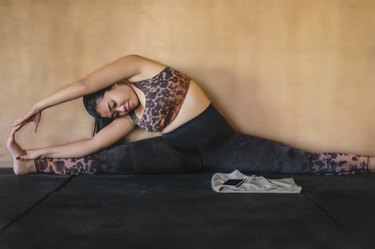
Twisting yoga poses help stretch the spine and relieve tension. Sit in a chair and twist to each side. Next, stand up and face the chair, placing the right foot on the seat of the chair with the knee bent. Twist the upper body to the left side. Repeat this on the opposite side. Now seated on the floor, stretch both legs in front of you. Bend the right leg and twist to the left, then the right. Repeat with the left leg bent and right leg straight.

Cobra Pose

Cobra Pose strengthens the muscles around the spine, giving the degenerating disks more support. While lying on your stomach, bend your elbows and place your palms on the floor. Press your palms and the tops of your feet into the floor, gradually bringing your upper body up higher. Take your time, breathe deeply, hold the pose as long as comfortable, then rest and repeat twice.

Supported Bridge Pose

In Supported Bridge Pose, the use of yoga bolsters allows the body to relax in the pose, creating a safe environment for the body to heal. Place one bolster horizontal and one vertical. Lie on the back with your spine on the vertical bolster and your feet on the horizontal bolster. The top of your shoulders should barely touch the floor, and your head should rest on the floor. Stay in the pose for three to five minutes and gently come out by rolling to one side.

References

Article reviewed by Anton Alden Last updated on: May 26, 2011

Must see: Photo Galleries