















































Anaerobic Vs. Aerobic Exercise & Weight Loss

Anaerobic Vs. Aerobic Exercise & Weight Loss
Photo Credit Jupiterimages/Goodshoot/Getty Images

Anaerobic exercise is basically the opposite of aerobic exercise. Anaerobic means "without oxygen," while "aerobic" means "with oxygen." The main difference between aerobic and anaerobic exercise is the duration and intensity level of the activities. Both types of exercise are essential for losing weight, however, so you should try to incorporate both into your physical fitness routine.

Aerobic Exercise

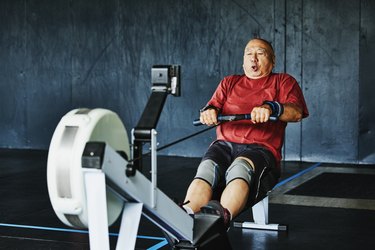
Aerobic exercise involves physical activities that make you move your large muscle groups and breathe more deeply, with your heart pumping harder, explains the University of Pittsburgh Medical Center. Aerobic exercise not only strengthens the major muscles in your buttocks, legs and arms, but it also strengthens your lungs and heart.

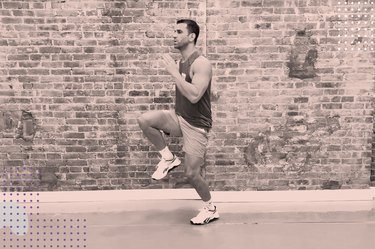
Aerobic exercise relies on an increased supply of oxygen through your cardiopulmonary system. Walking, jogging, jumping rope, swimming and dancing are all good examples of aerobic exercise, reports MayoClinic.com. Other examples of aerobic exercise include running, bicycling, hiking and certain sports that involve running like soccer and basketball.

Anaerobic Exercise

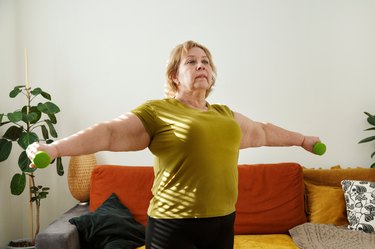
Unlike aerobic exercise, anaerobic exercise relies on your muscles' strength instead of oxygen flow through your bloodstream. Anaerobic exercise involves high-impact physical activities that demand short spurts of muscle strength, explains the University of Iowa Health Care. Sprinting and weightlifting are good examples of anaerobic exercise.

Anaerobic exercise like weightlifting uses energy produced by your body's metabolism and doesn't require oxygen. Because oxygen isn't involved in supplying your body's energy to perform anaerobic exercises, these activities are usually performed in very short durations. If you perform anaerobic exercises for longer time periods, your body begins producing lactic acid, a byproduct that can cause muscle fatigue. Put simply, aerobic exercises are longer-duration and lower-intensity, while anaerobic exercises are high-intensity and short-duration.

Weight Loss

You need both aerobic and anaerobic exercises for physical fitness, but aerobic exercise is often preferred for weight loss. This is because aerobic exercise helps you to burn more calories than anaerobic exercise, although strength training activities like weightlifting are certainly essential to building muscle, says the University of Pittsburgh Medical Center.

For fitness, weight loss and overall health, you should combine aerobic exercise, anaerobic exercise like weight training or resistance exercise, and stretching into your physical-fitness routine. You should perform at least 60 minutes per day of moderate- to vigorous-intensity exercise most days of the week to lose weight. You need to perform anaerobic exercise like strength training less frequently -- typically just two or three times per week in 20- to 30-minute sessions, MayoClinic.com notes. Like aerobic exercise, anaerobic exercise can help you to burn calories and reduce your body fat, and it can also help in building lean muscle mass.

Considerations

To reduce your risks for injuries and increase your chances of sticking to your fitness routine, you should start out slowly with both aerobic and anaerobic exercise, recommends the University of Pittsburgh Medical Center. Begin with lower intensities, gradually increasing the intensity as your fitness level improves. For aerobic exercise, you can aim to reach and sustain your target heart rate for up to 30 minutes during each workout. You should always consult your doctor before starting an exercise routine.

References

Article reviewed by Bryn Bellamy Last updated on: Feb 8, 2011

Must see: Photo Galleries

Member Comments