



























Soy Estrogen Problems

Soy Estrogen Problems
Photo Credit boiled lettuce with soy sauce image by green308 from Fotolia.com

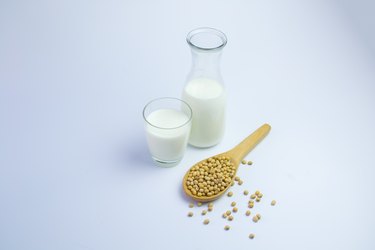
Soy, also called soybean, is the nutritious seeds of a leguminous plant originally from eastern Asia. For centuries, soy has been a source of high-quality protein and edible oil in many Asian countries. Soy was introduced into the United States in the 18th century via Chinese immigrants. Today, the U.S. is the world's leading soy producer. Although soy can be part of a healthy diet, there have been persistent concerns about the adverse effects of soy estrogens, a group of chemicals, on the human body. So before you decide to take soy supplements, consult your doctor.

Soy Composition

Soy is high in protein. The quality of soy protein approaches the quality of animal protein. Unlike other legumes, soy contains a valuable amino acid called lycine, which is the main building block of protein. Soy is a rich source of mucilage fiber that provides preventive therapy for diabetes and cancer. Soy also provides a good amount of linoleic and linolenic acids, two essential fatty acids, vitamins -- such as ascorbic acid, folic acid and vitamin B6 -- and minerals such as magnesium, potassium and iron, according to the University of Maryland Medical Center.

Soy Estrogens and Breast Cancer

The effects of soy estrogens are similar enough to the body's natural estrogens when estrogen levels are high. Estrogen, the main steroid hormone in the female reproductive system, plays an active role during pregnancy and childbirth. Generally, elevated estrogen levels in the body put women at a higher risk for breast cancer, according to the Sprecher Institute at the Cornell University. Estrogen encourages the proliferation of milk ducts in the breast, which carry the milk through the breast. Most breast cancers occur within these milk ducts.

Soy Allergic Reactions

Soy and soy estrogens have many protective effects on your body; however, there are also some negative effects of taking soy estrogens, such as allergic reactions. People who have allergies to soy can suffer from skin reactions, gastrointestinal disorders, pancreatic problems, dyspnea or difficult respiration and dysphagia or difficulty in swallowing, says the University of Hawaii.

Thyroid Disease

People with impaired thyroid function must consume soy with care, under the supervision of a medical service provider. Soy estrogens may be linked to hypothyroidism, a condition in which your thyroid gland can't produce enough thyroid hormones, the University of Mississippi says. According to the book "The Anti-Estrogenic Diet: How Estrogenic Foods and Chemicals are Making You," soy estrogens have been found to inhibit thyroid peroxidase, an enzyme necessary for the production of thyroid hormones thyroxine and triidothyronine, thereby creating a hypothyroid state. Hypothyroidism can lead to goiter, an enlargement of the thyroid gland, if left untreated.

References

Article reviewed by Anton Alden Last updated on: Feb 14, 2011

Must see: Photo Galleries

Member Comments