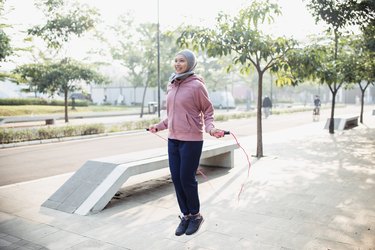
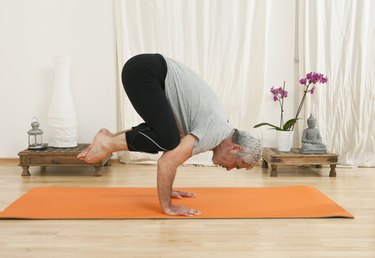



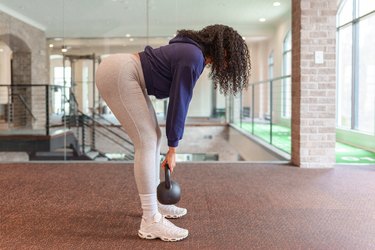

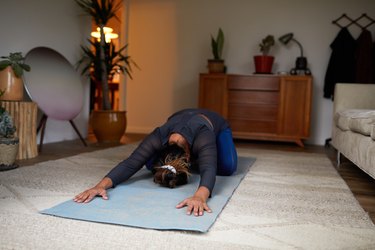


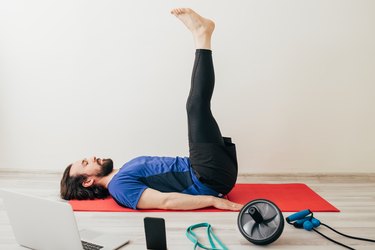


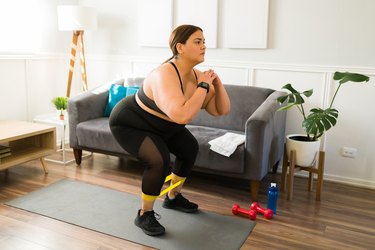


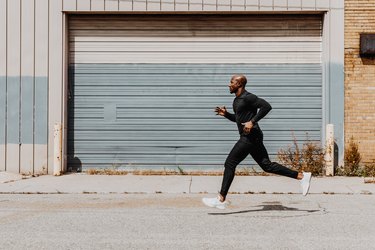




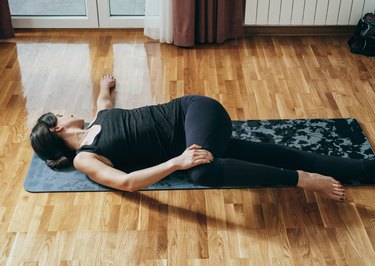
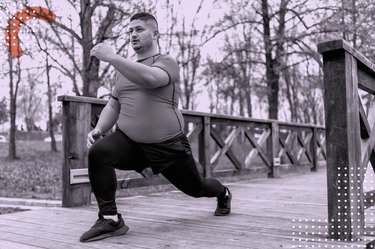
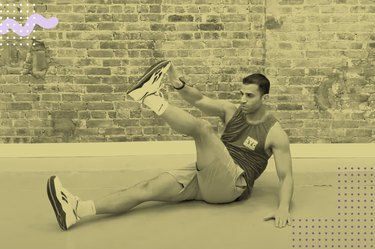


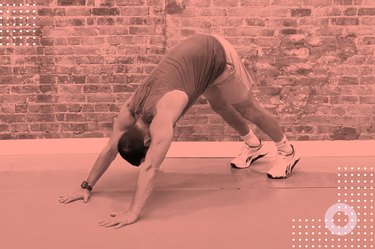


















Exercise cannot cause a blood clot in the lungs, also known as a pulmonary embolism. In fact, exercise actually helps prevent blood clots. A pulmonary embolism, which can be life-threatening, usually originates as a blood clot in a deep vein of the leg which breaks off and travels to the lungs. Exercising regularly to maintain a healthy weight and exercising your legs at least once an hour while traveling or recovering from surgery can help prevent blood clots from forming in the body and potentially traveling to the lungs.
Exercise and Blood Clots
Exercise can help prevent blood clots from forming and traveling to the lungs in several ways. For one, obesity is a risk factor for deep vein thrombosis. A DVT is a blood clot that forms in the legs or sometimes other parts of the body and can travel to the lungs or brain with potentially life-threatening consequences. Exercising regularly to reach a healthy weight can therefore reduce this risk factor. Being sedentary for long periods of time can also cause a blood clot, so it is important to get at least some physical activity even when recovering from surgery and during long plane or car trips. Additionally, exercise hastens recovery from a pulmonary embolism by increasing circulation, reducing swelling, and restoring lung function.
Risk Factors for Pulmonary Embolism
Besides obesity and a sedentary lifestyle, other risk factors for developing blood clots which can travel to the lungs include chemotherapy treatment, taking birth control pills, smoking, varicose veins, dehydration, pregnancy and major surgery, especially if it is conducted on a foot or leg. While exercise can help prevent DVTs and pulmonary embolisms, athletic people who exercise regularly can also develop these conditions. For example, in February 2011, tennis star Serena Williams was treated for a pulmonary embolism. CBS News Medical Correspondent Dr. Jennifer Ashton speculated that Williams' two recent foot surgeries may have precipitated the blood clot.
DVT Prevention
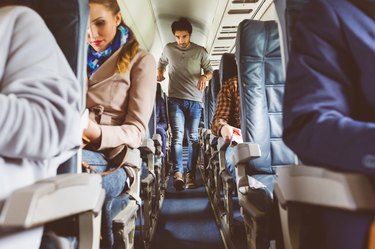
Although not all DVTs result in pulmonary embolisms, if you take certain measures to prevent a DVT, you can also reduce your risk of pulmonary embolism. One of these preventative measures is exercising, especially while traveling and or recovering from a surgery or injury. During travel, according to ClotCare.com, it is a good idea to exercise the legs at least once every hour. For example, if you're on a plane or train, you can walk and stretch in the aisle every so often. During long periods of bed rest, it is also important to exercise the legs once an hour. If you're partially immobilized, using non-immobilized muscles in the lower extremity can help prevent DVT. Some other measures you can take to prevent DVT include wearing support stockings and not smoking.
When to See a Doctor
If you suspect you may have a DVT, seek medical attention immediately. Your doctor may then prescribe a blood-thinning medication to prevent an embolism. However, smaller clots may not cause the typical DVT warning signs of swelling, pain and redness at the site of the clot and may go unnoticed. Once the clot travels to the lungs, it may become life-threatening if it goes untreated; MayoClinic.com reports that about one-third of people with undiagnosed and untreated pulmonary embolism will not survive. For this reason, it is of utmost importance that you seek emergency medical care if you have symptoms of PE, which may include unexplained shortness of breath, chest pain or a cough with bloody sputum.
References
- MayoClinic.com: Pulmonary Embolism
- National Blood Clot Alliance; Blood Clot Treatment; isa Anselmo PharmD, BCOP, Edward Libby MD
- ChemoCare.com: Blood Clots and Chemotherapy
- ClotCare.com; Understanding Deep Vein Thrombosis; Stuart T. Haines, Pharm.D., BCPS; March 2004
- CBSNews.com; Serena Williams' Health Scare: Are You At Risk?; March 2011


