



































What Does a High C-Reactive Protein Level Indicate?

What Does a High C-Reactive Protein Level Indicate?
Photo Credit Blood test 2 image by Iosif Yurlov from Fotolia.com

C-reactive protein, or CRP, is produced by your liver and normally undetectable in your blood. A level high enough to be detected through a blood test indicates an acute infection or inflammation somewhere in your body. When a high level drops, it indicates the infection or inflammation is getting better.

Causes of Inflammation

While a positive CRP test can alert you to infection or inflammation somewhere in your body, it cannot narrow down what disease is causing the result. Possible causes of a positive CRP test are cancer, inflammatory bowel disease, connective tissue disease, vasculitis, lupus, rheumatoid arthritis, pneumococcal pneumonia, rheumatic fever, tuberculosis and pelvic inflammatory disease. A false positive test can occur with the use of birth control pills or during the last half of pregnancy. Your doctor may also use a CRP test to determine your risk of cardiovascular disease.

Cardiovascular Disease and C-Reactive Protein

Because inflammation is a factor in the formation of plaque in your arteries, some doctors recommend a special CRP test called a high sensitivity-CRP. If the result is 1 mg/L or lower, you are considered at low risk of cardiovascular disease. From 1 to 3 mg/L, you are considered at average risk and above 3 mg/L, you are considered at high risk. However, the MayoClinic.com explains that relying on CRP readings to predict cardiovascular disease may be misguided. CRP can be elevated due to any kind of inflammation in the body, even something as simple as a bruise. Other known risk factors, such as hypertension, high cholesterol and high triglycerides, are better predictors of cardiovascular disease risk.

Anti-Inflammatory Foods

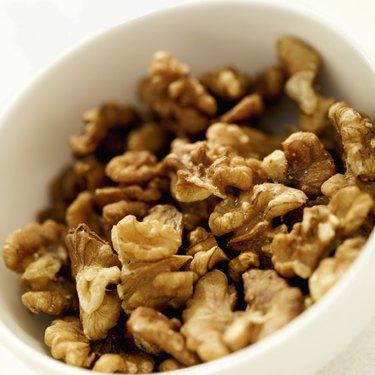
Some foods can help control inflammation and reduce CRP levels. They include any food rich in omega-3 fatty acids. A good animal-based source of omega-3s is fatty fish, such as salmon, mackerel and sardines. Good plant sources include flax, walnuts and leafy greens. Foods that are rich in antioxidants, such as fruits and vegetables, help reduce inflammation. Both green and black teas are rich in antioxidants. Soy and soy products, whole grains, and honey, as well as such spices as ginger, nutmeg, cayenne and oregano, also help with inflammation.

Exercise and Inflammation

Exercise seems to reduce inflammation and CRP levels in your body. Kinesiology and community health researchers at the University of Illinois believe that they may understand why. When you exercise, your sympathetic nervous system causes your heart rate and breathing to increase; when you stop exercising, the parasympathetic nervous system slows everything back down. The researchers measured fitness levels in 132 people ages 60 to 83. They found that the people whose parasympathetic nervous system brought their heart and breathing rates back to normal within the shortest time had the lowest CRP levels, meaning they had the lowest levels of inflammation. Consistent exercise is the best way to increase parasympathetic tone -- giving you one more reason to get off the couch and exercise every day.

References

Article reviewed by Christine Brncik Last updated on: Mar 28, 2011

Must see: Photo Galleries

Member Comments