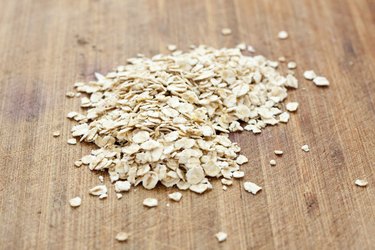
Organic farming methods are markedly different from conventional growing methods, and according to a research review published in 2014 in the "British Journal of Nutrition," organic crops may also contain higher antioxidant concentrations (see Ref 1). Although organic and conventional oats have the same nutritional information and benefits, there is a chance organic oats could be safer to consume because they are not produced with chemical pesticides or fertilizers.
Pesticide Residue
Video of the Day
Just because organic oats are not grown with direct pesticide application doesn't mean they are completely free of pesticide or chemical residue. According to the results of a study published in "Food Control" in 2013, the number of organic oat samples testing positive for toxin residue was actually higher than the number for conventional samples. However, the conventional samples that did contain toxin residue had higher concentrations of those toxins (see Ref 2).
Video of the Day
Other Factors
Other than their production methods, there are no discernible differences between conventional and organic oats. They both come in rolled, instant, quick or steel-cut forms, they are both whole grains and you can use them interchangeably in any recipe.
Is this an emergency? If you are experiencing serious medical symptoms, please see the National Library of Medicine’s list of signs you need emergency medical attention or call 911.