

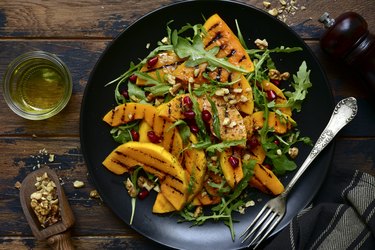





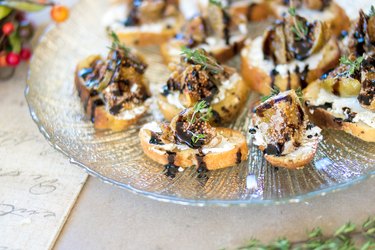





Made from cooked grapes rather than fermented fruit, balsamic vinegar's gourmet reputation comes from the meticulous aging process it undergoes, as well as the rigorous regulating committee overseeing the Italian product. Balsamic vinegars lend sophistication to marinades absent from those using apple cider vinegar or lemon juice. Balsamic vinegar marinades lock in vegetables' natural juices while lending their own sweet, rich taste. As with other acids used in marinades, balsamic vinegar adds flavor to foods without contributing fat, calories or sodium.
Purpose
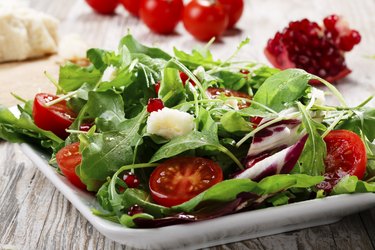
Marinades prepare vegetables for grilling by adding complex flavors and keeping them from drying out on the grill. Alternatively, cooked or raw marinated vegetables bring a zesty twist to sandwiches, pasta salads and side dishes. And if you plan to pickle mushrooms, cucumbers, cauliflower or other veggies, you'll first need to prepare a vinegar marinade base.
Ingredients
A basic marinade is as simple or as elaborate as you wish, but usually involves an acidic ingredient such as balsamic or another vinegar, lemon juice, lime juice or wine. Some marinades also include vegetable oil, seasonings and a sweetener to balance the acidity. The Florida Department of Agriculture and Consumer Services' recipe for grilled summer vegetables, for example, uses 1-½ cups olive oil, ½ cup balsamic vinegar, 4 tbsp. herbs and 1 tbsp. sugar to marinate about 6 cups of vegetables.
Choosing Vinegar
According to food magazine The Nibble's online glossary, balsamic vinegar costs as much as $500 a bottle. Much like olive oil, balsamic vinegar comes in a range of prices that reflect the manufacturing process, and using the best-quality for cooking and marinading wastes money. Even the most rabid balsamic vinegar fans don't use these artisan versions in marinades, however. Save the pricey balsamics to drizzle over exotic cheeses and fruits. For marinades, the class known as "industriale" works well. These mass-produced balsamic vinegars aren't aged for as long as the gourmet versions, nor do they have specifications requiring them to mature in five types of wooden barrel. But they are considered superior to imitation balsamics, which are often simply apple cider vinegars colored brown. Manufacturers label commercial balsamic vinegars with a series of leaves, indicating the quality of the product. The Nibble suggests using a midlevel, "two leaf" balsamic vinegar for marinades. The combination of grape to vinegar gives it a pleasing balance of sweetness to tartness, but the price is more affordable than the three- or four-leaf commercial balsamics meant to be poured directly over food just before serving.
Method
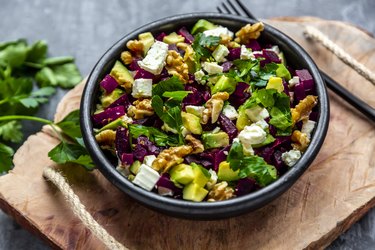
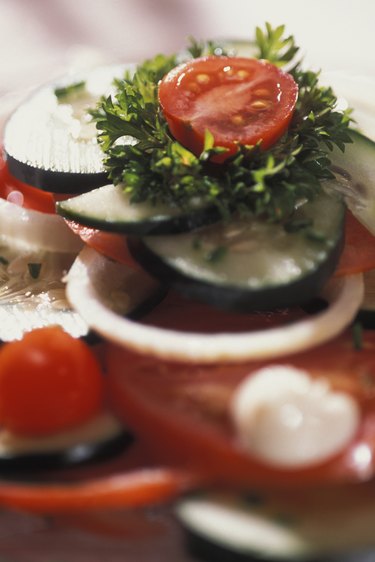
Never marinate vegetables in an aluminum bowl. The acidity of the balsamic vinegar interacts negatively with aluminum. Instead, toss the vegetables with the marinade in a covered glass, stainless steel or ceramic bowl, or combine vegetables and marinade in a plastic bag. Put the vegetables in the refrigerator and leave them for at least 30 minutes to allow the flavors to merge and the vinegar to coat the veggies. Because vegetables don't need the tenderizing that steak or chicken does, they don't require hours of marinating. Vegetables such as tomatoes, zucchini, mushrooms and carrot slices may be served without cooking. But these vegetables, as well as veggies such as eggplant and new potatoes, may also be broiled, baked or grilled after marinating. Finally, consider using a balsamic marinade to dress already cooked vegetables before refrigeration, as with potato salad or chilled beet salad.


Member Comments