




























Guggul for Hypothyroid

Guggul for Hypothyroid
Photo Credit waist measurement image by msw from Fotolia.com

Hypothyroidism is a condition that is characterized by an underactive thyroid and inadequate thyroid hormone production. Common symptoms include fatigue, intolerance to cold, mental sluggishness and weight gain. The guggul herb may help boost thyroid function and reduce hypothyroid symptoms. As with any herbal product, you should talk to your healthcare practitioner before taking guggul.

Guggul Information

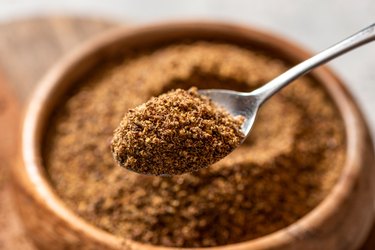
Guggul is an herbal extract derived from the gum resin of the Commiphora mukul tree, which is native to India. Guggul has been used in traditional Ayurvedic medicine for centuries for a variety of health promoting purposes, most notably for the treatment of arthritis, and as a weight loss aid, Drugs.com states. The exact mechanism of action is unknown but it has anti-inflammatory, antioxidant and immune modulating properties.

Thyroid Hormone Stimulating Properties

The active ingredient in guggul is a compound called guggulsterone. According to the August 1988 edition of "Planta Medica," guggulsterone has been shown to stimulate thyroid function in rats. Guggulsterone also appears to counteract the effects of carbimazole, which is a drug used to treat an overactive thyroid by reducing the production of thyroid hormones. These two observations lead to the conclusion that guggul has thyroid hormone stimulating properties.

Specific Effects on T3 and T4

Thyrozine, or T4 and triiodothyronine, or T3, are hormones produced by the thyroid gland. Many hypothyroid sufferers underproduce one or both of these hormones. Guggul extracts help to convert T4 into T3, and thereby increase T3 levels in your body, "Natural Medicines Comprehensive Database" reports. A study cited in the 1999 edition of "Life Science" journal examined the effects of guggul extract on rats. After taking the extract for fifteen days, the rats experienced a notable increase in T3 concentration. In addition, the extract appeared to promote a healthier T3/T4 ratio, which is beneficial because an imbalance of these two hormones can contribute to hypothyroid symptoms.

Considerations

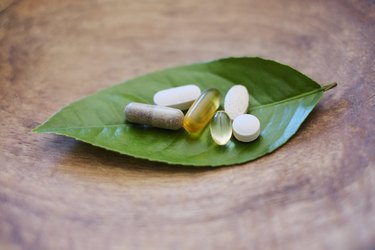
The generally recommended dose of guggul varies greatly, from 75 mg daily, to 250 mg, three times daily. In her book "Guide to Herbs and Nutritional Supplements," Laura Shane-McWhorter recommends choosing a guggul supplement that contains 2.5 percent guggulsterones, and speaking to your healthcare practitioner about the appropriate dose. Guggul may cause side effects such as diarrhea, loose stools and other gastrointestinal issues, as well as headaches, nausea and rashes. In addition, guggul may interact with certain medications. Pregnant and breastfeeding women should not take the herb.

References

Article reviewed by Avraham Zuroff Last updated on: May 12, 2011

Must see: Photo Galleries