







































































How to Reduce Tummy Fat with Yoga Exercises at Home & Diet

Many people have difficulty losing weight, especially around the abdominal area. From a holistic perspective, this represents imbalance. Ayurveda, or the science of life, is an ancient system of medicine from India. With Ayurvedic techniques, such as yoga and diet modifications, these imbalances can be corrected.

The 3-Step Plan

Step 1

Drink a warm glass of lemon water each morning upon rising. Take a few minutes to sit quietly and massage the abdomen to stimulate elimination. Lemon water and massage is a yogic technique used to cleanse toxins and waste from the digestive tract. Dr. Elson Haas, detox expert and author of "The Detox Diet," recommends drinking a glass of water with the juice of half a lemon each morning. This helps to clear ama, or toxins, which build up in the system over time. The Ayurvedic approach to weight loss includes cleansing and detoxification.

Step 2

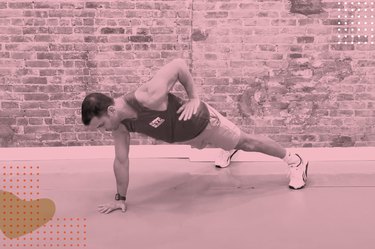
Practice yoga exercises for 1 hour before breakfast. Begin with traditional sun salutation and warm up exercises. For the core of the work out, focus on abdominal strengthening asanas, such as navasana (boat pose), chataranga dandasa (four-limbed staff pose), and kundalini yoga stretch. Try holding each pose for 30 seconds, rest, and repeat up to three times. For an added challenge, use the yoga ball for leg lifts. Sit upright on the ball and rock back slightly, using your abdominal muscles for stability. Lift the legs either together, or one at a time, moving with the breath. Do at least 10 repetitions.

Step 3

Eliminate all processed foods from the diet. Processed and refined foods are a major contributor to weight gain and obesity. No matter what your personal food preferences are, any healthy diet should avoid processed and refined foods which are full of calories and chemicals and lacking in nutritional content. Processed foods include chips, snack foods, pre-packaged foods, processed luncheon meats and foods with chemical additives (including most cereals). Refined foods include foods made with refined sugars and high fructose corn syrup, such as soda, candy, cookies, and even bottled fruit juices. Eat whole foods, whole grains, legumes and other healthy proteins, as well as plenty of fresh fruits and vegetables each day. Although the typical yogic diet is lacto-vegetarian, just about any diet can be made healthier by consuming more whole foods and eliminating junk foods.

Tips and Warnings

  • Take time to chew your food thoroughly. This not only helps the digestive process, but can help you recognize when you are full and when it is time to stop eating. Many people have difficulty losing weight, even when following a strict diet, because they do not take the time to chew their food properly.
  • Always consult with your physician or healthcare practitioner before beginning a fitness or nutrition program. Individuals who have had back injuries or surgery should not perform balancing poses on the yoga ball unless instructed to do so by their medical doctor.

Things You'll Need

  • Yoga mat
  • Yoga ball
  • Comfortable clothing

References

Last updated on: Dec 8, 2010

Must see: Photo Galleries

Member Comments