
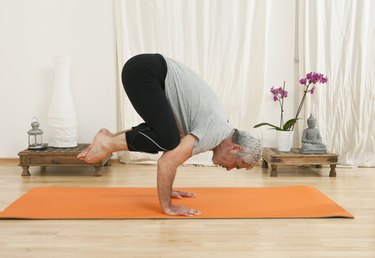








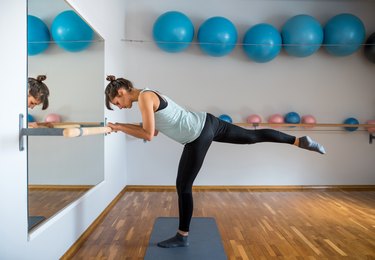





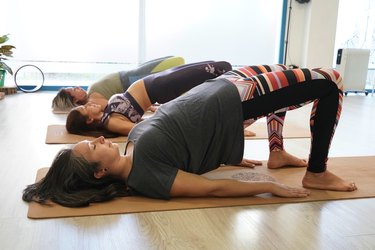
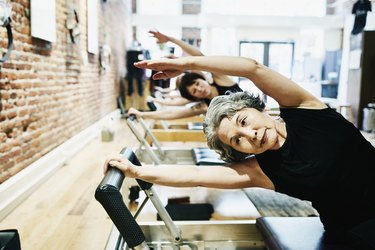

































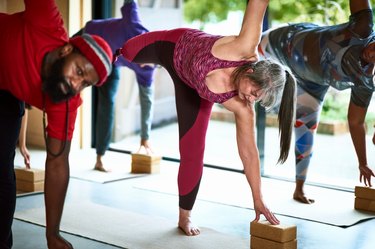



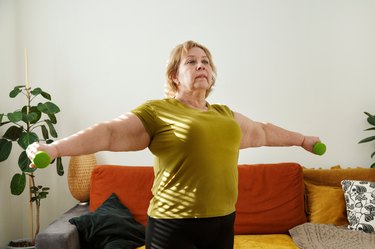







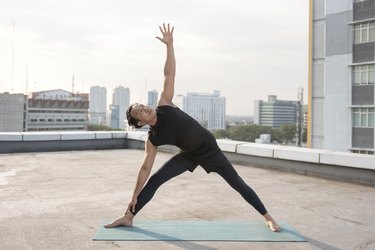





Women have used dance as a nonverbal way to express emotions for as long as people have recorded history. According to studies published in "Journal of Epidemiology and Community Health," men benefit more by attending cultural events like plays or art exhibits, where women reported improved health from participation in creative activities. Dance is an excellent choice to improve health in several ways, including boosting self-confidence, reducing depression and strengthening both mind and body.
Depression
Women are twice as likely to suffer from depression as men, according to the American Psychological Association. As dance therapy is reported to improve self-confidence, self-awareness and create a feeling of well-being, dance provides a way to decrease symptoms of depression. Most of the supporting evidence confirming dance therapy is an effective treatment for depression is in individual accounts, according to the American Cancer Society. However, the University of Heidelberg studied dance intervention on psychiatric patients with depression, publishing the promising results in "The Arts in Psychotherapy."
Cancer Survivors
"Cancer Nursing" published a study done by Midstate Medical Center in 2005 on breast cancer survivors that utilized dance movement therapy to improve their quality of life. The study measured improved results in the areas of body image, grief and fear of death for the women in the study.
Physically
Physically, dance provides similar benefits as any other cardiovascular endurance training exercises, including cardiovascular fitness, weight control, reduced risk of chronic illness and help controlling glucose metabolism. Dancing at a moderate to vigorous intensity for 30 to 45 minutes, most days of the week reduces your risk of heart disease and certain types of cancer. Regularly engaging in dance therapy helps keep you physically fit while decreasing chronic pain and tension in your body.
Violence Prevention
In a study for Drexel University in 2009, researcher Alexis Anne Lanzillo observed children with problem behavior learn new skills to deal with social and emotional issues through dance therapy. Lanzillo hypothesized that teaching children dance may provide them with skills to end cycles of abuse and violence. More research needs to be completed in order to confirm her theories.
Cautions
Discuss plans for a new exercise program with your doctor before you begin, especially if you have been diagnosed with a chronic condition such as cancer or arthritis. Do not rely on dance therapy to treat your condition or improve your symptoms. Continue with your conventional medical care to avoid health consequences.
References
- "Cancer Nursing"; Dance and Movement Program Improves Quality-of-Life for Measures in Breast Cancer Survivors; Sandel SL, et al.; July - August 2005
- American Cancer Society: Dance Therapy
- "Journal of Epidemiology and Community Health"; Patterns of Receptive Creative and Cultural Activities; J Epidemiol Community Health; Koenraad Cuypers, et al; March 2011
- "The Effect of Dance/Movement Therapy on Incidences of Aggression and Levels of Empathy in a Private School for Children with Emotional and Behavioral Problems"; Alexis Anne Lanzillo; September 2009


Member Comments