




















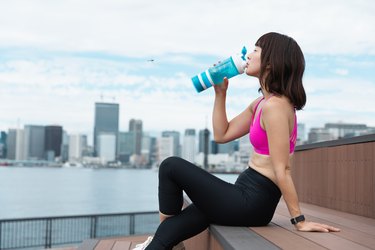
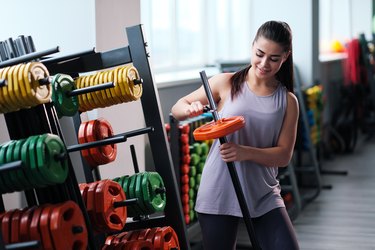


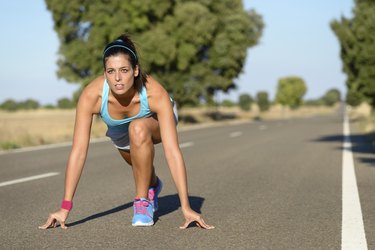






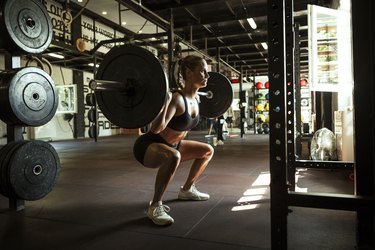

Exercised-induced amenorrhea occurs when the monthly menstrual cycle is absent for three or more months due to overindulgence in exercise. Sometimes, young girls and teens who exercise intensely and have low body fat will delay their first period past the age of 16, a condition called primary amenorrhea. If you are exercising very frequently, for long durations or at extreme intensities and have missed at least three periods or have not started a period by age 16, see your doctor.
Signs and Symptoms
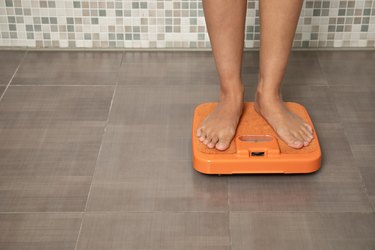
The most obvious sign or symptom of exercised-induced amenorrhea is a missing period in a girl or woman who exercises intensely. The period usually is absent for at least three months before diagnosis. Young women may develop osteoporosis, which causes bones to become brittle and break easily. Most women who have exercise-induced amenorrhea are also underweight or very thin due to excessive workout routines and/or calorie restriction.
Causes
According to Gretchen Casazza of the American College of Sports Medicine, the absent periods usually occur due to a hormonal imbalance set off by a suppressed hypothalamus, the part of the brain that connects the nervous system to various hormone systems. Excess exercise can suppress a hormone that regulates the reproductive system, leading to amenorrhea. Also, a low body weight coupled with intense exercise may send the body into starvation mode, forcing a shutdown of non-essential organ systems, such as the reproductive organs. Many women with exercise-induced amenorrhea also are malnourished because they are unable to make up for the calories and nutrients expelled during excess exercise.
Treatments
The first step is to cut back on exercise and modify your diet to ensure adequate nutrition with the guidance of a professional, such as a registered dietitian. Adding healthy calories to your diet will ensure you are getting the nutrition and energy needed for the body's organs to function fully. To balance hormones, an estrogen or progesterone pill may be needed. Hormone-based contraceptives may be prescribed to help the menstrual cycle regain regularity.
Compulsive Exercise
Most often, exercise-induced amenorrhea is found in athletes such as ballerinas or ice skaters due to intense training schedules. Sometimes, however, the condition is found in those who exercise compulsively, without control. According to dietitian Suzanne Girard Eberle for the National Eating Disorders Association, compulsive exercise is characterized by feeling anxious and guilty when unable to exercise, working out more than once per day, lying about exercise, inability to control desires to work out, and a self-image that is based on successful or failed exercise routines. Compulsive exercise leads to poor performance, brittle bones and amenorrhea. If you think you may be exercising compulsively, see your physician for help.
References
- Virginia Commonwealth University Medical Center: Exercise Induced Amenorrhea
- "Journal of Clinical Endocrinology & Metabolism"; Health Issues for Women Athletes: Exercise-Induced Amenorrhea; Michelle P. Warren; June 1999
- Core Physicians; Missed Menstrual Periods or Amenorrhea Due to Exercise; November 2008
- "American College of Sports Medicine"; Active Voice: Amenorrhea Not Only Negatively Impacts Bones --- It Can Also Decrease Exercise Performance; Gretchen A. Casazza; January 2011
- National Eating Disorder Association; Compulsive Exercise: Too Much of a Good Thing?; Suzanne Girard Eberle; 2004


