Listen to Your Heart highlights the simple nutrition, fitness and lifestyle changes you can make for a healthy heart at any age.
When it comes to blood pressure, a reading of 120/80 is "perfect," right? Well, not exactly. Just like 20/20 isn't necessarily perfect vision, 120/80 is technically the borderline between normal and elevated blood pressure. So, not bad, exactly — but not really ideal, either.
It might sound like we're splitting hairs, but high blood pressure (aka hypertension) is a lot more dangerous than imperfect vision. It affects more than 100 million Americans (almost half the adult U.S. population), according to the American Heart Association, and those people are at a higher risk for some pretty serious health conditions because of it.
It's not all bad news, though: High blood pressure is largely preventable and definitely treatable. And it all starts with the basics.
Arm yourself with the knowledge you need on the causes, risks, prevention and treatment of this common foe so you can keep or bring your numbers into a healthy range (that's below 120/80, for the record). Plus, get tips on how to recognize when blood pressure goes too low, and what to do about it.
So, What Is Blood Pressure?
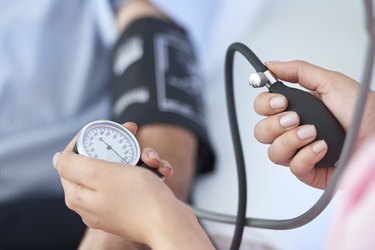
Your doctor takes your blood pressure at each visit because it's a key indicator of your health. But beyond a number on your medical chart, how much do you really know about blood pressure at the basic level?
In layman's terms, your BP is a measure of how hard your blood is pressing on the walls of your arteries as it courses through your body. The top (systolic) number gauges the pressure when your heart is beating, while the bottom (diastolic) number represents the pressure when your heart is resting between pumps.
A little bit of pressure is good, to help the blood get where it needs to go (read: to all your vital organs). But as the saying goes, too much of a good thing isn't, well, a good thing.
Learn more about blood pressure basics and check out a chart that breaks down healthy vs. unhealthy numbers.
Health Risks of High Blood Pressure

High blood pressure means your top number is 130 or higher or your bottom number is 80 or higher. For most people, hypertension is caused by aging or lifestyle factors tied to heart health (think: diet and exercise). For others, it could be the result of another health condition, such as sleep apnea or thyroid issues, or even certain medications.
Whatever the cause, high blood pressure doesn't usually have any symptoms, which isn't a good thing. Hypertension is often called the "silent killer" because it can lead to heart attack, stroke and coronary artery disease, among other conditions, with little to no warning.
Get the full picture on the five big ways high blood pressure affects your body, plus the risk factors most closely tied to the condition.
The Best Ways to Prevent High Blood Pressure

An ounce of prevention is worth a pound of cure, as the saying goes, and preventing high blood pressure is no exception to that rule.
That's especially true for people at higher risk for developing the condition, such as African Americans and those with a family history of hypertension. Even if you're prone to high BP, though, there's plenty you can do to keep your numbers from sliding into the red.
Check out eight science-backed ways to keep your blood pressure in check.
How to Lower Your Blood Pressure

If you already have high blood pressure, there's no reason to throw in the towel. In fact, now's the perfect time to get a handle on your numbers. With just a few tweaks to your daily habits, it's totally possible to bring down your BP and reduce your health risks along with it.
For many people, lowering salt intake is a crucial step, because excess sodium can increase BP and put a strain on the heart. But there are lots of other small steps you can take beyond changing your diet (hello, breathing exercises!) that can make a big difference, too.
Learn the 10 best ways to naturally lower your blood pressure.
Health Risks of Low Blood Pressure

High blood pressure is a concern in any context. Low blood pressure, on the other hand, isn't always an issue. But while complications are less common, low BP can sometimes be just as serious.
Technically, low blood pressure (aka hypotension) is any reading below 90/60. Low BP is simply genetic for some people. But it's only considered dangerous if it's brought on suddenly by things like infection or dehydration, or if it's accompanied by symptoms, such as nausea, feeling faint or having cold, clammy skin.
Here's when to worry about low blood pressure and what doctors recommend to treat it.
Is this an emergency? If you are experiencing serious medical symptoms, please see the National Library of Medicine’s list of signs you need emergency medical attention or call 911.