































High blood pressure, or hypertension, is defined as a sustained blood pressure of 140/90 or above. Although high blood pressure is symptom free and does not make you feel unwell, it is a risk factor for cardiovascular disease and stroke. Restricting your intake of caffeine and alcohol, exercising regularly and losing excess weight will help to lower your blood pressure, but you might also need to take anti-hypertensive drugs. Hawthorn and garlic might also help to lower blood pressure, although evidence to prove this is limited. Get medical clearance before using herbs.
Potential Benefits
Garlic is perhaps better known as a cooking ingredient, but it is also sometimes used as an alternative remedy for a variety of ailments, including high cholesterol, heart disease and cancer. MedlinePlus states that it also appears to modestly lower blood pressure. Hawthorn, a common hedgerow shrub, has been used as a medicinal remedy for thousands of years. Today, it is sometimes used as an alternative remedy for congestive heart failure and, according to Mississippi Baptist Health Systems, is sometimes recommended for hypertension, although its benefits may be marginal.
Dosage
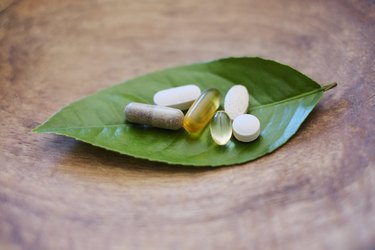
MedlinePlus notes that 600 mg to 1,200 mg of a standardized extract of garlic, or one clove of fresh garlic, is sometimes used to lower high blood pressure. Mississippi Baptist Health Systems reports that a typical dose of hawthorn is 300 mg to 600 mg of a standardized extract, three times daily. Confirm with your doctor that the dosages are suitable for you.
Effectiveness
An analysis of data from 10 clinical studies, published in "The Annals of Pharmacotherapy," shows that garlic helps to reduce blood pressure in people with hypertension, but not in people with normal blood pressure. The results of a clinical trial published in the February 2002 issue of "Phytotherapy Research" also show that hawthorn extract helps to lower blood pressure in mildly hypertensive patients.
Safety Considerations
Garlic may cause side effects including bad breath, nausea and gas. Do not take garlic supplements if you have a bleeding disorder, as garlic may have anticoagulant effects. It might also interact with other medicines, including birth control pills and HIV drugs. According to Mississippi Baptist Health Systems, hawthorn appears to be safe, but it may cause mild side effects including dizziness, headache and stomach upset. Get medical clearance before using either of these herbs.
References
- NHS Choices: High Blood Pressure (Hypertension)
- MedlinePlus: Garlic
- Mississippi Baptist Health Systems: Hawthorn
- "The Annals of Pharmacotherapy"; Effects of Garlic on Blood Pressure in Patients With and Without Systolic Hypertension: A Meta-Analysis; K.M. Reinhart, et al.; December 2008
- "Phytotherapy Research"; Promising Hypotensive Effect of Hawthorn Extract: A Randomized Double-Blind Pilot Study of Mild, Essential Hypertension; A.F. Walker, et al.; February 2002


