

















Equestrian Riders and Joint Pain

Equestrian Riders and Joint Pain
Photo Credit Comstock/Comstock/Getty Images

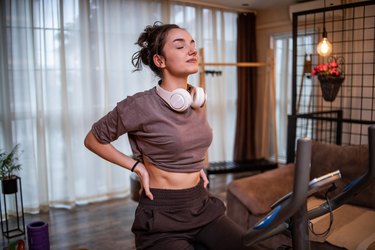
The jarring that a horse receives when his hooves hit the ground is transmitted to the rider as well, which can result in joint pain or arthritis for the rider. The Equestrian Medical Safety Association says that low back pain in the sacroiliac joint is by far the most common complaint of riders. There are programs and treatments for riders with joint pain that attempt to address the root causes of the problem.

Causes

According to physiotherapist and equestrian Annette Willson, founder of Australian-based Applied Posture Riding, some 80 percent of riders suffer from back pain, neck pain or muscle pain. Whether that number is accurate or not, stiffness, aches and pains are a fact of life for many equestrians, especially those involved in dressage, jumping or any form of racing. Proper position in the saddle, with the spine aligned properly, is a key factor in avoiding back and other joint problems.

Preventing Joint Pain

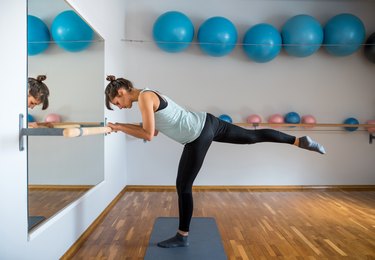
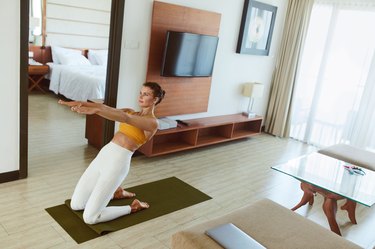
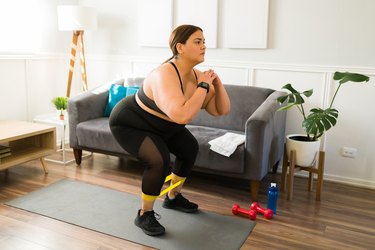
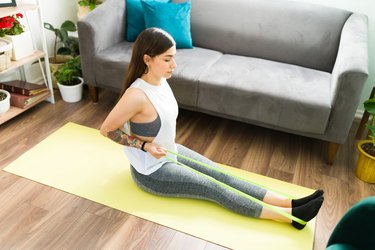
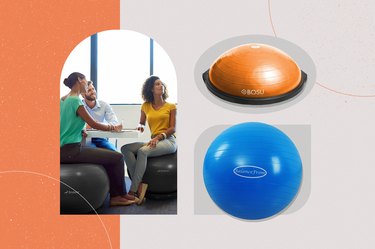
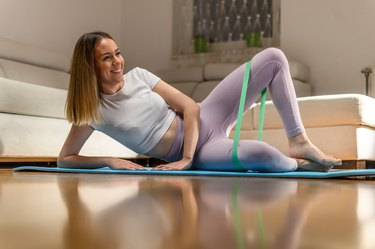
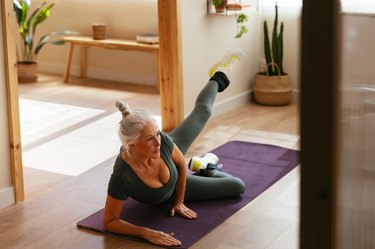
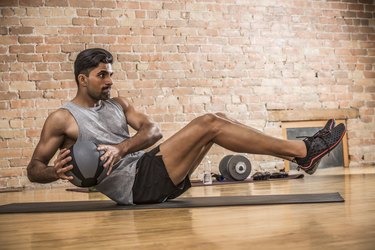
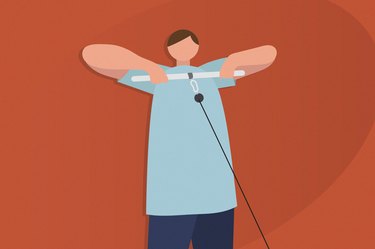
The EMSA says that riders who are balanced in the saddle are most likely to avoid joint pain, particularly in the lower back. When you look at a balanced rider, his back appears to be flat. A hollow or a slouched back spells trouble. Raising the stirrups might help achieve a balanced position. Proper stretching can help riders avoid joint problems, and exercises such as situps will strengthen your core muscles and help protect the joints. Willson recommends Pilates-specific exercises for equestrians, which is similar to the recommendations by the EMSA. Willson says controlling your pelvis and strengthening deep core muscles will reduce the pain of riding. Her recommended exercises feature Pilates exercises with large gym balls and resistance bands.

Exercise

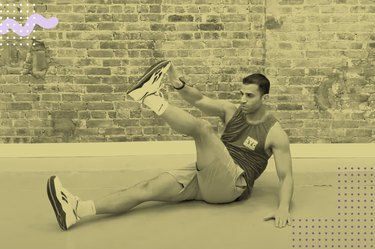
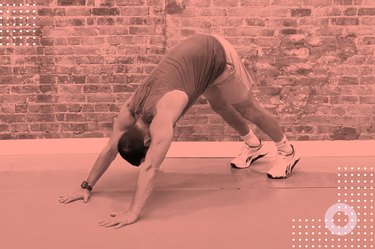
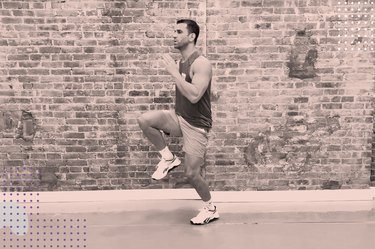
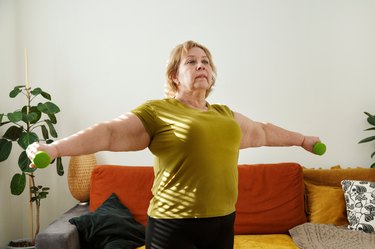
Exercise strengthens the muscles around the joints, helps you maintain bone strength and helps control your weight.

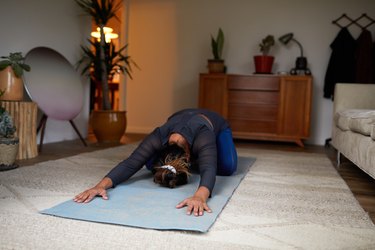
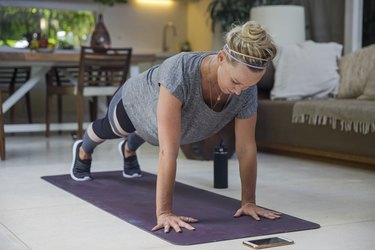
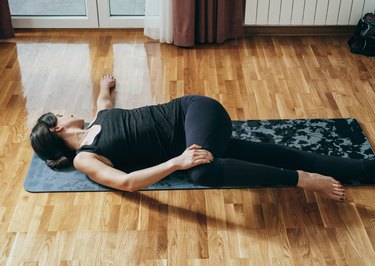
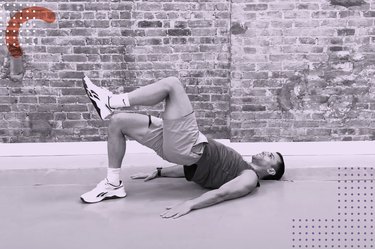
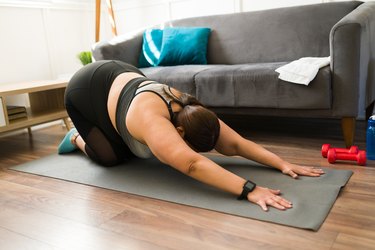
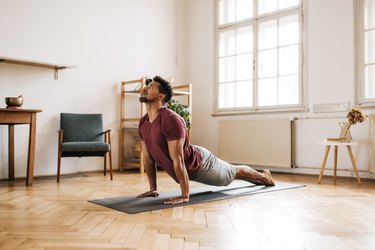
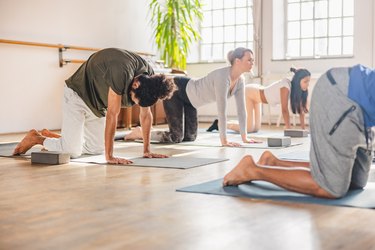
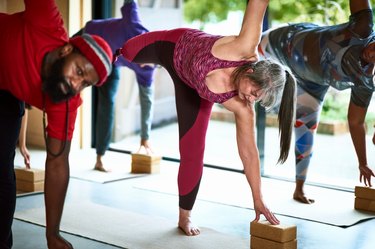
Several specific exercises target sciatic pain from sacroiliac joint pain, the type common to equestrians. The exercises include a single knee raise to the chest, a press-up with your hands while your pelvis remains on the floor, and a lumbar rotation, where you lie on your back with your knees bent and gently move your legs to the right and the left while keeping them together. Yoga stretches may benefit your joint pain, as well as Pilates. Consult with your doctor before starting any exercise program if you suffer from joint pain.

Other Treatments

You can take anti-inflammatory medications for joint and muscle pain following riding. Doctors sometimes recommend cortisone shots, although pain relief is often short-lived. Glucosamine is a supplement that is thought to lessen arthritis symptoms, but more research is needed in this area, as study results have been mixed.

References

Article reviewed by Debbie C Last updated on: Jun 19, 2011

Must see: Photo Galleries