

































As a male, your reproductive organs include your testicles and your penis. Your testicles produce sperm, and your penis allows for urination and intercourse. Health problems that may affect your reproductive organs include epididymitis, or inflamed testicles, testicular cancer and infertility, which affects one in six couples, according to the American Dietetic Association. A nutritious, balanced diet may help prevent or manage these conditions and your overall health.
Whole Grains
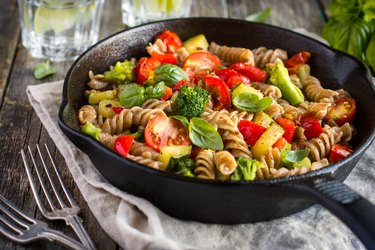
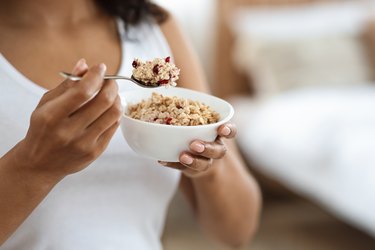
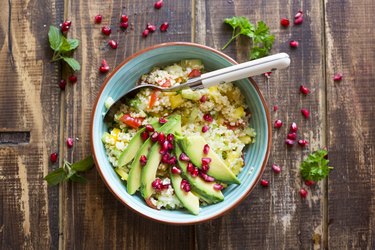
All grains provide glucose, which is your body's main dietary source of energy. Unlike refined grains, whole grains have not been stripped of valuable vitamin, mineral, fiber or protein content during food processing. As low-glycemic foods, they have a mild impact on your blood sugar. Abnormally high blood sugar damages the nerves that control blood flow into your penis, according to Wahida Karmally, director of nutrition at the Irving Center for Clinical Research at Columbia University Medical Center, which increases your risk for erectile dysfunction. (See References 2) Blood sugar imbalances also increase your risk for type 2 diabetes. To avoid these risks, replace refined foods, such as white bread and enriched pasta, with whole-grain foods, such as oatmeal, brown rice, quinoa and air-popped popcorn.
Lean Protein Sources
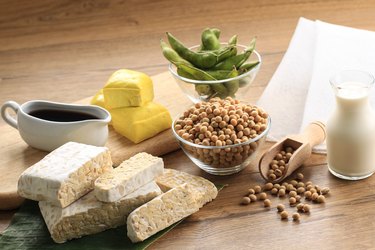
Protein supports lean tissue growth and repair and strong immune function. A diet rich in fatty foods, such as red and processed meats, can reduce your testosterone levels, according to "The Male Body: An Owner's Manual" by Winston Caine and Perry Garfinkel. Eating too much saturated fat also increases your risk for prostate cancer. Lean, protein-rich alternatives include fish, skinless white-meat poultry, low-fat dairy products, tofu, beans and lentils. Low-fat milk and yogurt are valuable sources of vitamin D -- a nutrient that helps your reproductive system and body function well.
Fruits and Vegetables
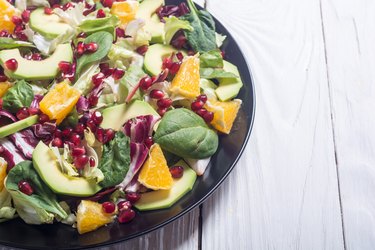
Fruits and vegetables provide rich amounts of antioxidants, including vitamin C, which support your body's ability to resist and heal from infections and disease. A lack of vitamin C may cause your sperm to clump together, according to the ADA, potentially reducing your fertility. Fruits and vegetables particularly rich in vitamin C include berries, kiwi, citrus fruits, cantaloupe and tomatoes.
Plant-derived Fats
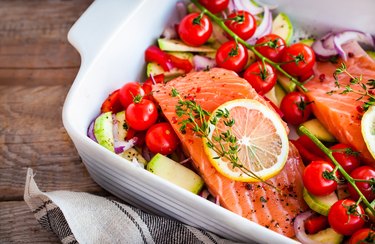
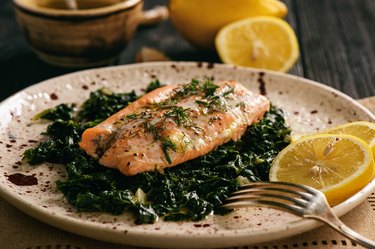
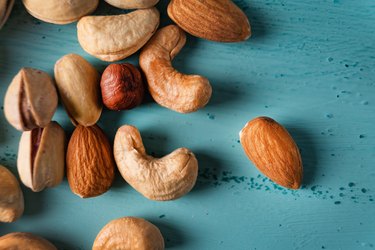
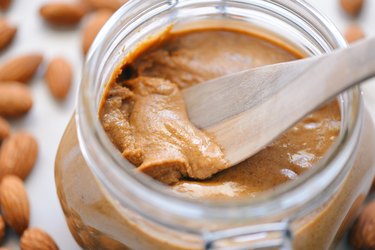
Most fats reaped from plants are heart-healthy, unsaturated varieties. For optimum reproductive health, the ADA recommends clearing "bad" fats from your diet, including fried foods and high-fat dairy products, and choosing healthy fats instead. Nutritious options include nuts, seeds, avocados, cold-water fish, such as salmon, and vegetable oils, such as canola and olive. Nuts, seeds and vegetable oils also provide rich amounts of vitamin E, which provides potent antioxidant benefits. The omega-3 fatty acids in cold-water fish may help reduce inflammation and lower your risk for heart disease, prostate cancer and colon cancer.
References
- American Dietetic Association: Fertility and Men's Diet
- "The Male Body: An Owner's Manual"; Winston Caine, Perry Garfinkel; 1996
- University of Maryland Medical Center: Omega-3 Fatty Acids


Member Comments