































The Blue Zone Diet is more about how you live than what you eat. Weight loss might be a side benefit, but the plan actually focuses on overall healthy eating and achieving longevity through a variety of means. "Blue Zone" is a term coined by author Dan Buettner in his book "Blue Zones: Lessons for Living Longer From the People Who've Lived the Longest" to identify locations worldwide where a percentage of residents typically live past the century mark.
Buettner's Research
Backed by the National Institute on Aging and National Geographic, Buettner set about traveling the world, hunting up populations that seem to have figured out the secret to living a long and happy life. Over the course of five years, Buettner discovered that these "blue zones" seem to share certain similarities beyond the old age of their people.
The Zones
Buettner identified four locations where people statistically enjoy increased lifespans. One is in the United States, a Seventh Day Adventist enclave in California. Three others include Okinawa, Japan, Sardinia and an area of Costa Rica.
What Buettner Learned
All four cultures share some distinct similarities regarding their eating habits. In Okinawa, the Japanese stop eating before they're full, and both the Seventh Day Adventists and the Costa Ricans make dinner the lightest meal of the day. The Costa Ricans also believe in getting plenty of sunshine and taking in vitamin D, just like the Japanese. All four cultures are very active, but the Seventh Day Adventists observe a full day or rest on Saturdays. The Japanese begin each day with a defined purpose, and the Costa Ricans also put great store in planning. All the blue zones share a strong sense of community and family.
Recommended Foods
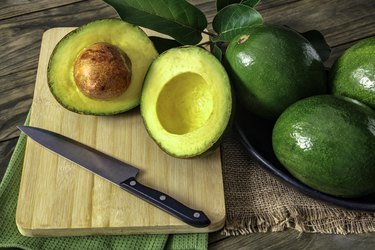
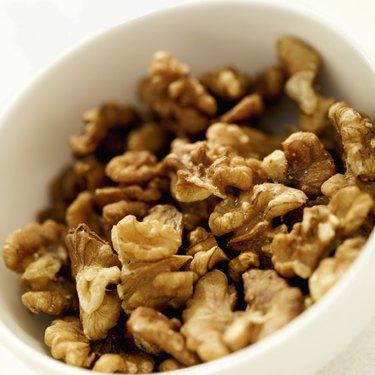
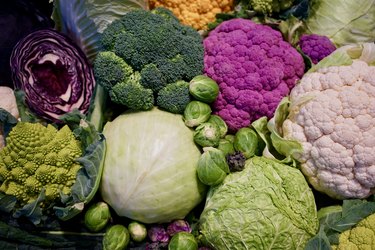
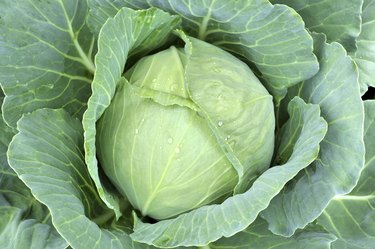
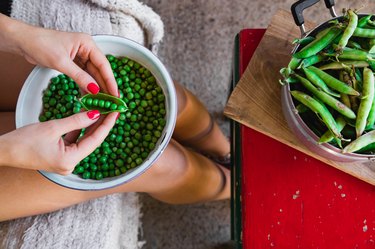
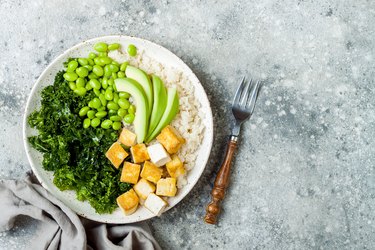
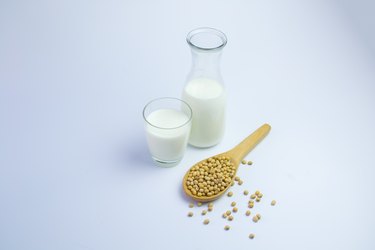
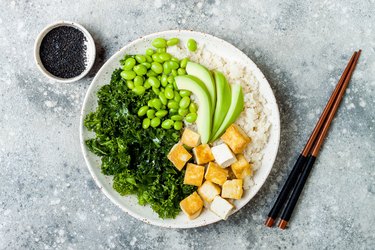
Buettner does not offer a meal plan for the Blue Zone Diet. He suggests groups of food that play a large role in the diets of all four cultures. Fruits and vegetables make up the biggest percentage of all meals. Emphasis is also placed on whole grains, brown rice, nuts and beans. The Sardinians' diet includes a fair portion of goat's milk, and the Japanese add soy products.
Foods to Avoid
The Sardinians eat meat only on Sundays, and the Japanese refrain from pork except on special occasions. Many of the Seventh Day Adventists also avoid too much meat, if they eat any at all. The diets of all four cultures focus predominantly on plant foods.
Other Dietary Factors
The Sardinian culture values red wine and encourages up to two glasses a day. The water in the Costa Rica area that Buettner studied is reportedly naturally rich in magnesium and calcium. The Japanese tend their own gardens and grow their own vegetables.


Member Comments