


















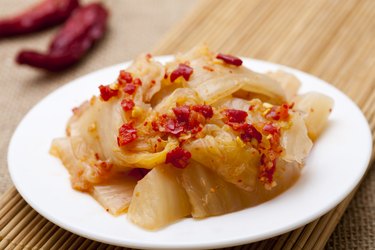
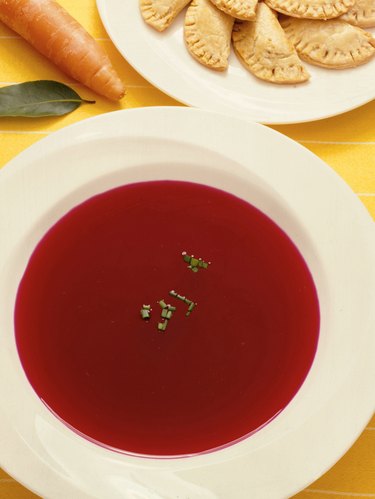

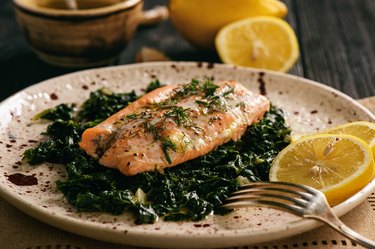












The Rainbow Diet was developed by Chris Woollams, who wrote the book, "The Rainbow Diet: And How It Can Help You Beat Cancer." The diet plan centers around cancer nutrition and is meant specifically for people who are fighting cancer. However, according to CancerActive.com, the diet is beneficial as a general health book. In fact, the diet consists of foods that aid in preventing cancer, in addition to detailing specific foods that can fight off nutritional deficiencies and health concerns as a cancer patient. Consult a physician prior to initiating the Rainbow Diet or any other dietary plan that might affect your health. Specifically, cancer patients should be medically supervised and follow a healthy diet that meets their individual needs.
Mediterranean Influence
The Rainbow Diet has been likened to the Mediterranean Diet, which is typically referred to as the French way of eating. However, Woollams says his diet plan doesn't simply mirror the French diet. Instead, he explains why certain foods on the Mediterranean plan are effective cancer fighters. The French diet consists of more fat and alcohol than the average European or Western diet. Western society and U.S. dietary guidelines recommend limiting saturated fats, cholesterol, sugar, salt and alcohol, according to Colorado State University Extension. According to Woollams, however, many of these foods are a source of natural compounds that protect the body from disease. Recommended foods include olive oil, figs, honey, garlic and red wine. Woollams does advise, however, to choose healthier fat sources vs. unhealthy fats found in processed cakes, cookies and other sweets.
Less Meat
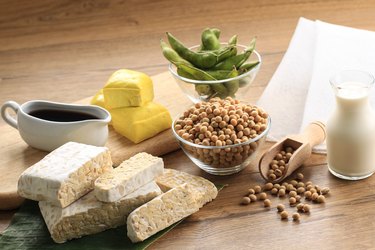
The Rainbow Diet Plan recommends eating less meat. According to CancerActive.com, research from Harvard University determined that decreasing meat consumption reduced cancer risk by 12 percent. Woollams particularly advocates decreased consumption of red meats and meats high in unhealthy saturated fats, such as bacon or pork. Saturated fats increase plaque buildup in the arteries, leading to hardening of the arteries and increased risk of high blood pressure, cholesterol and heart disease. Meat is also high in protein, which is harder to break down in the digestive tract, potentially leading to constipation and lethargy.
Healthy Fats
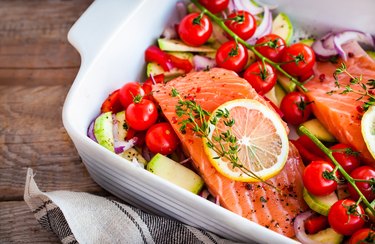
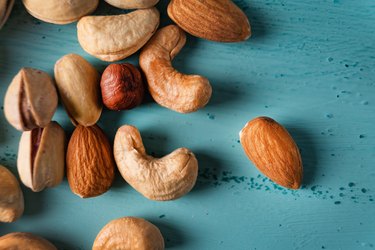
The Rainbow Diet Plan advocates eating foods high in healthy fats, such as monounsaturated and polyunsaturated fats. Monounsaturated fats are found in oils, such as canola and olive oil; nuts, including almonds, cashews and brazil nuts; and sunflower and pumpkin seeds. Omega-3 fatty acids also aid in decreasing heart disease risk, improving eyesight, increasing brain functions such as concentration and problem-solving, and elevating the mood, according to Eat Right Ontario.
Fruits and Vegetables
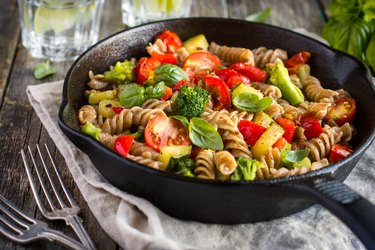
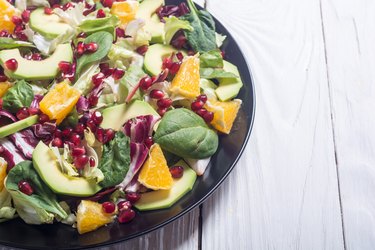
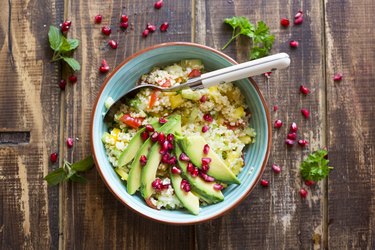
The Rainbow Diet is named for its inclusion of a variety of foods that have wide-ranging colors. In particular, fruits and vegetables rich in deep hues, such as reds, yellows, oranges, purples and greens should form the foundation of a healthy diet. In addition to being low-calorie, a source of dietary fiber and all-natural, fresh produce is a source of essential nutrients, vitamins and minerals needed for normal body functions and a healthy immune system. Furthermore, fruits and vegetables are high in antioxidants, which help protect against diseases and certain cancers. Include a rainbow of colored vegetables in your diet plan, such as red apples, strawberries and red bell peppers; dark, leafy greens; blueberries and onions; squashes and citrus fruits.
References
- CancerActive.com: The Rainbow Diet
- "The Rainbow Diet: And How It Can Help You Beat Cancer"; Chris Woollams; 2008
- Colorado State University Extension: Dietary Guidelines For Americans
- Eat Right Ontairo: Omega-3 Fats Deliver Oh Mega Benefits


Member Comments