Though polycystic ovary syndrome or PCOS is a common condition, its exact cause is unknown and there's no cure. That leaves many of the people living with PCOS in search of lifestyle changes — including taking certain supplements — that may help alleviate symptoms.
PCOS statistics show 1 in 10 people assigned female at birth is affected by the condition, according to the Office on Women's Health.
Video of the Day
Video of the Day
Characterized by hormonal imbalances that can affect menstruation and fertility, PCOS frequently causes symptoms like missed or irregular periods, higher testosterone levels, insulin resistance and infertility. Having more testosterone means people with PCOS may also experience facial hair, weight gain and acne.
Prescription medications and birth control pills are often used to treat PCOS, but there are over-the-counter supplements and vitamins that may help you manage some of your symptoms in combination with diet, exercise and other therapies.
That said, most of the research examining these supplements is preliminary. That means it's even more important to talk to your doctor before starting a new supplement for PCOS.
The Best Supplements for PCOS
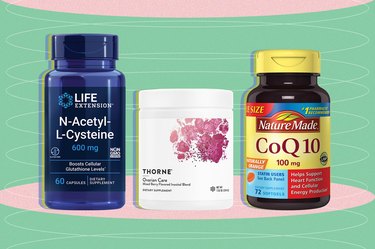
- Best Inositol: Thorne Ovarian Care ($56, Amazon)
- Best N-Acetyl Cysteine (NAC): Life Extension N-Acetyl Cysteine ($11.40, Amazon)
- Best CoQ10: Nature Made CoQ10 ($15.19, Walmart)
- Best Vitamin D: Pure Encapsulations Vitamin D3 ($17, Amazon)
- Best Vitamin B: Garden of Life Raw B Complex ($21.19, Amazon)
- Best Berberine: Thorne Berberine ($36.10, Amazon)
- Best Omega-3: Garden of Life Dr. Formulated Advanced Omega Fish Oil ($19.94, Amazon)
How We Chose
We chatted with board-certified gynecologists and fertility doctors about easing PCOS symptoms with supplements. We chose these top picks based on their advice and the following criteria:
- High-quality brands
- Clear labeling
- Transparency around ingredients
- Verified by independent quality-control organizations
Learn more about how we cover products.
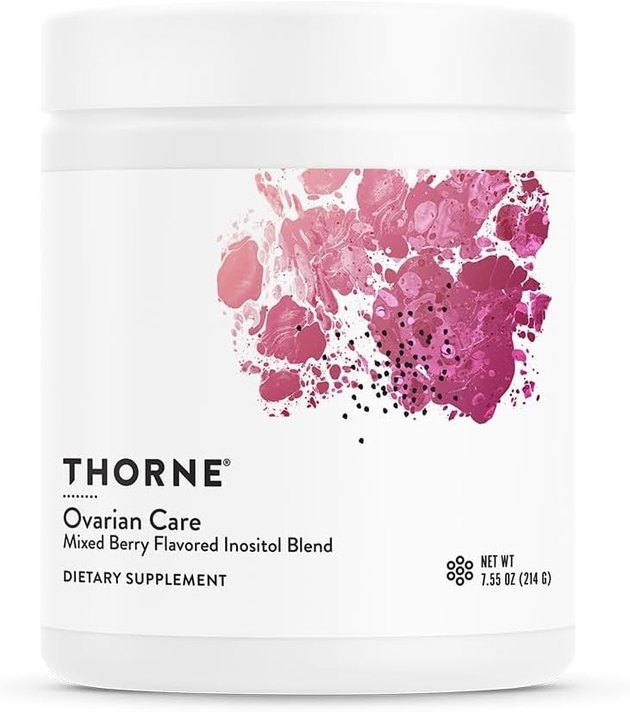
1. Best Inositol: Thorne Ovarian Care
Pros
- Contains folate to increase utilization
- Great taste
- Recommended 40:1 dosage
Cons
- Inconvenient packaging
Several of the gynecologists we spoke to quickly recommended inositol for PCOS. "Inositol helps to manage symptoms and can help pregnancy rates ," explains Prati A. Sharma, MD, FACOG, a board-certified gynecologist and reproductive endocrinologist in Toronto.
In a small January 2017 study in Gynecological Endocrinology, researchers found PCOS patients taking myo-inositol (a common form of inositol in supplements) experienced a decrease in BMI, improved insulin sensitivity and normalization of their menstrual cycle, similar to the effects of the diabetes drug metformin, which is commonly used in people with PCOS, too.
Other research has found the combination of inositol and folate (or folic acid) effective. When combined with folic acid, inositol lowered too-high hormone levels, per a November 2016 study in the International Journal of Endocrinology.
When looking for an inositol supplement, Dr. Sharma recommends looking for a 40:1 ratio of myo-inositol to d-chiro-inositol on the label.
This one from Thorne not only contains the ideal ratio but also boasts folate to support its effectiveness. Packaged in a tub, it's a berry-flavored powder with 60 servings. Thorne recommends mixing one scoop with 8 ounces of water twice per day.
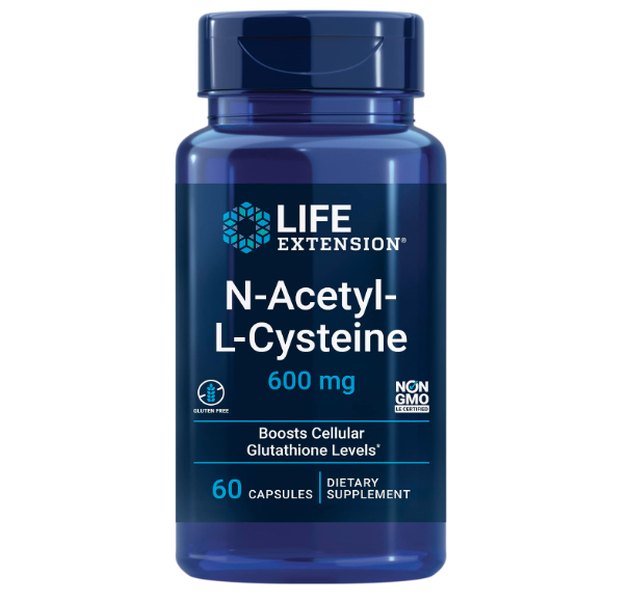
2. Best N-Acetyl Cysteine (NAC): Life Extension N-Acetyl-L-Cysteine
Pros
- Formula is easy to absorb
- Supply lasts up to two months
- Has antioxidant properties
Cons
- Strong sulfur smell
This amino acid goes by cysteine or NAC for short. It's commonly found in high-protein foods, and it's one of the PCOS supplements that is often compared to the diabetes drug metformin.
"NAC helps the body to make glutathione, which helps to reduce the oxidative stress on our bodies and cells," Dr. Sharma explains.
NAC supplementation improves pregnancy and ovulation rates in people with PCOS compared to those given a placebo, according to a January 2015 meta-analysis in Obstetrics and Gynecology International.
And in a small April 2016 study in Reproduction, Fertility and Development, people with PCOS who took NAC supplements had healthier embryos during fertility treatment than people given metformin or a placebo. These findings suggest NAC may be helpful in combination with or as an alternative to metformin, which has many known risks and side effects.
There aren't many over-the-counter manufacturers of NAC supplements because the FDA considers it a drug. As a result, some brands have resorted to price gouging. But Life Extension offers this easy-to-absorb NAC supplement at an affordable price. Each bottle contains 60 vegetarian capsules. It's recommended to take one capsule two to three times per day.
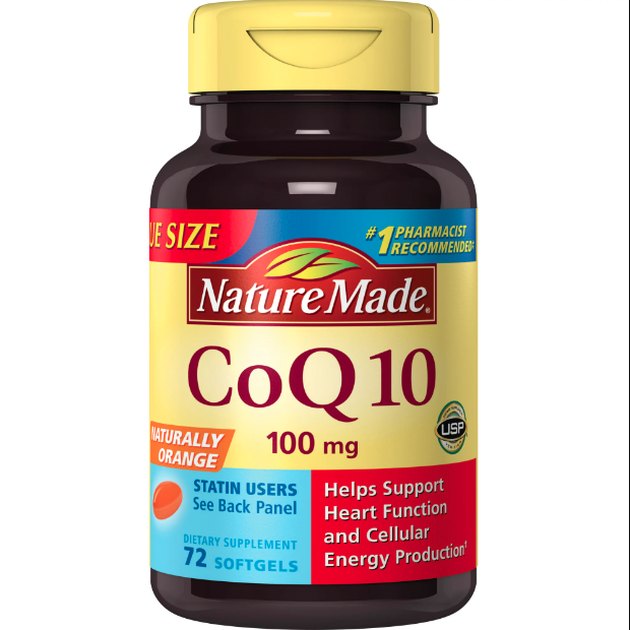
3. Best CoQ10: Nature Made CoQ10
Pros
- 6-month supply
- USP-verified
- Supports heart health
Cons
- Not vegan-friendly
- Contains soy
As a reproductive endocrinologist, Dr. Sharma is interested in egg quality in those with PCOS, who may have poorly developed eggs, depending on their age.
One way to promote egg quality with PCOS, Dr. Sharma says, is with the help of CoQ10, an antioxidant naturally found in the body. "CoQ10 is a well-studied antioxidant in the fertility space for its role in energy production," she explains. "Eggs need a lot of energy to thrive, especially if the hope is to form an embryo."
In a small September 2022 trial in the Journal of Reproduction and Infertility, researchers gave some people with PCOS a combination of CoQ10 and a fertility medication called clomiphene citrate and others just clomiphene citrate. The people in the combination group were more likely to ovulate and more likely to conceive during the study period.
CoQ10 has also been linked to lower inflammation and more balanced hormone levels in people with PCOS, according to a small January 2022 study in Gynecological Endocrinology.
Nature Made's CoQ10 will last you about 6 months. Each bottle contains 120 softgels, taken once daily with water and food.
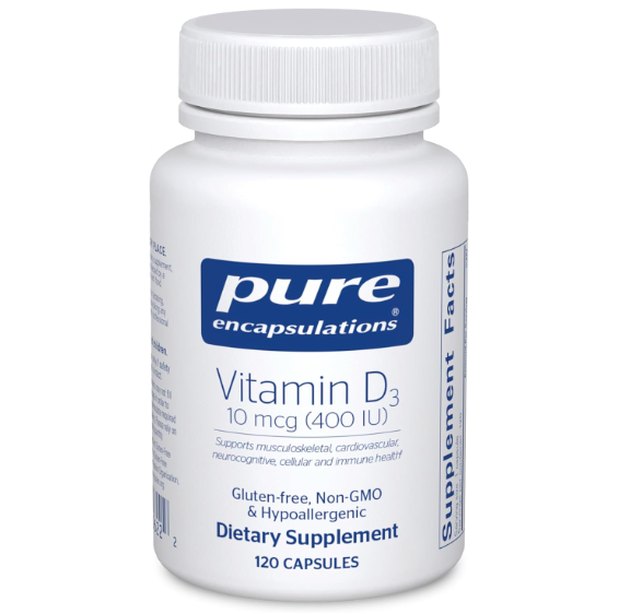
4. Best Vitamin D: Pure Encapsulations Vitamin D3
Pros
- Contains an absorbable form of vitamin D3
- 4-month supply
- Made with three simple ingredients
Cons
- Only contains 50% your Daily Value (DV) for vitamin D
Vitamin D plays an important role in PCOS management, according to a September 2015 article in the Indian Journal of Medical Research.
Yet many people with the condition don't get enough: In an older, preliminary May 2012 study in Complementary Therapies in Clinical Practice,83 percent of people with PCOS were vitamin D deficient and 35 percent were severely deficient.
While the results examining potential benefits of adding calcium and vitamin D to metformin treatment were inconclusive, the participants did see their vitamin D levels rise during the study period.
As for the best form of vitamin D for PCOS, look for vitamin D3, says Sanlare Gordon, DO, FACOG, a board-certified gynecologist at Pandia Health. Pure Encapsulations uses a highly absorbable form of vitamin D3 in a bottle with 120 capsules. It's recommended to take one to five capsules per day, with food.
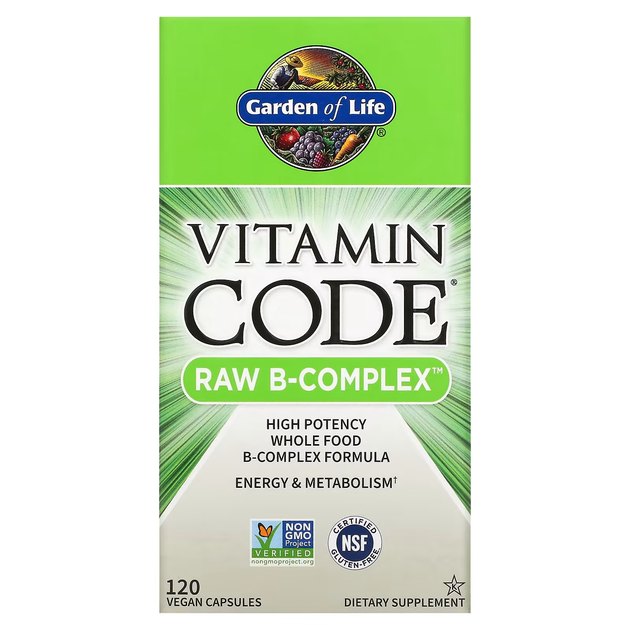
5. Best B Vitamin Complex: Garden of Life Vitamin Code Raw B Complex
Pros
- High in B6, B9 and B12
- Contains extracts from raw fruits and vegetables
- Good source of probiotics and enzymes
Cons
- Contains brewer’s yeast
PCOS is often accompanied by low-grade chronic inflammation, according to a March 2021 meta-analysis in the International Journal of Molecular Sciences.
One way to decrease overall inflammation in the body is through the use of B vitamins, explains Jill Purdie, MD, a board-certified ob-gyn and medical director at Pediatrix Medical Group in Atlanta. Vitamin B6 specifically has been shown to tamp down excessive inflammation, according to November 2020 findings in the Journal of Cellular and Molecular Medicine.
Chronic inflammation in those with PCOS can contribute to reproductive issues, according to a June 2021 review in Biology of Reproduction. "Reducing inflammation with B vitamins may help improve fertility in PCOS patients who are trying to conceive," Dr. Purdie says.
Taking B9 and B12 supplements is linked to improved fertility in people with PCOS, possibly by lowering levels of the amino acid homocysteine, which may affect pregnancy outcomes, according to a December 2022 review in Current Opinion in Endocrinology, Diabetes, and Obesity.
Vitamin B9 also goes by the names folate and folic acid, Dr. Purdie says. Folate is the natural form of vitamin B9, and it's immediately accessible to the body. Folic acid is the synthetic form that must be converted to folate before the body can use it, according to the Cleveland Clinic.
Folate is crucial if you're hoping to become pregnant, as it "helps support early pregnancy and fetal organ development," Dr. Purdie adds.
The Garden of Life complex of B vitamins not only contains plenty of vitamins B6, 9 and 12, it's also made with raw fruits and vegetables, probiotics and enzymes. A serving size is two capsules, so 60 capsules will last you about a month. You can take them with or without food or empty the contents into liquid.
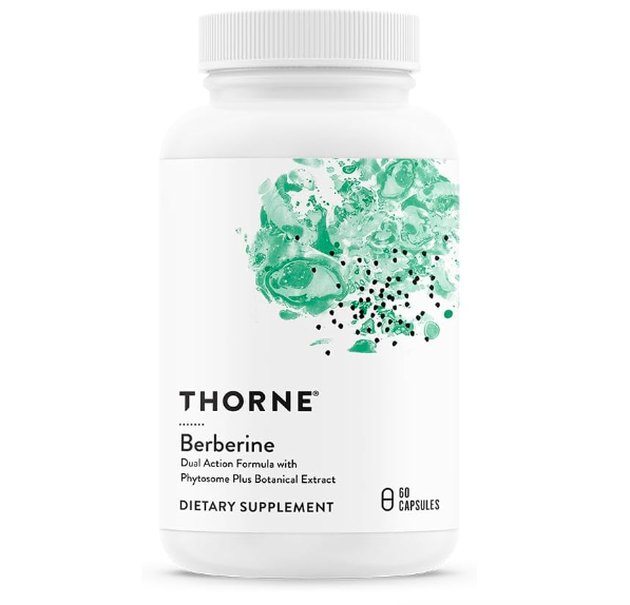
6. Best Berberine: Thorne Berberine
Pros
- Contains two types of berberine
- Includes well-studied form of berberine
- Supports healthy hormone balance
Cons
- Pricey
- Only contains 30 servings
Berberine is a plant compound used for centuries in traditional Chinese medicine. It's making its way into some Western medical practices, especially in relation to diabetes and PCOS.
Insulin resistance or diabetes is common alongside PCOS, and berberine supplements may help, says Jessica Ritch, MD, a board-certified gynecologist in Hollywood, Florida. While more research is needed, berberine may have similar effects on insulin resistance as the diabetes medication metformin, according to a November 2018 meta-analysis in Evidence-Based Complementary and Alternative Medicine.
Berberine may also "help with normal ovulatory function and fertility, which is critical with PCOS," Dr. Ritch says. Many people combine in-vitro fertilization (IVF) with other treatments to improve the chances of conception.
In a small, older March 2014 study in Clinical Endocrinology, berberine supplementation improved certain pregnancy outcomes better than metformin (and placebo) among people with PCOS undergoing in-vitro fertilization.
HCI is a well-studied form of berberine, which is used in this Thorne supplement. It also contains a second type of berberine that's packaged with soothing ingredients to reduce any GI irritation. This supplement comes with 30 servings per container. Thorne recommends taking one to two capsules twice daily.
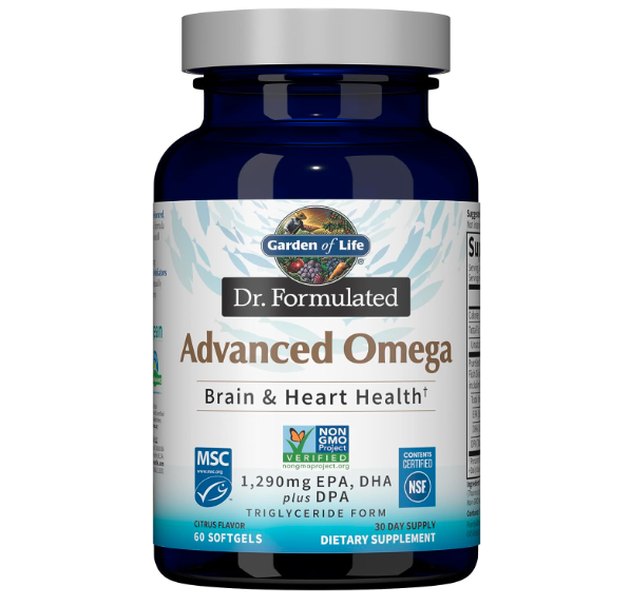
7. Best Omega-3: Garden of Life Dr. Formulated Advanced Omega Fish Oil
Pros
- No fishy taste
- Triglyceride form is easily utilized
- Contains both DHA and EPA
Cons
- Can be hard to swallow
Omega-3 fatty acids support hormone regulation, fertility, pregnancy and more, meaning they're especially vital if you have PCOS.
There are several food sources of omega-3s, but supplements are also available.
PCOS is closely associated with inflammation, which omega-3s are known to help fight, Dr. Ritch says. More research is needed on the effectiveness of omega-3 supplementation as a PCOS treatment to truly understand the benefits.
In one small, older August 2013 study in the Iranian Journal of Reproductive Medicine, for example, people with PCOS who took omega-3 supplements had lower testosterone and more regular periods, compared to those who took a placebo.
If you want to try an omega-3 supplement, this Garden of Life fish oil is a smart option. It provides the long-chain omega-3 fatty acids docosahexaenoic acid (DHA) and eicosapentaenoic acid (EPA) in their natural forms, making them easy for the body to utilize. Each bottle contains 60 softgels; Garden of Life recommends taking two per day with food.
What to Look For
When shopping for supplements, look for high-quality, well-known brands that are verified by independent quality-control organizations, such as the NSF or USP. You'll know if a product has been verified by one of these organizations if you see their seals on the label.
Also consider factors like the dosage, price and whether it's a pill, liquid or powder, and shop according to your preferences, budget and doctor's recommendations.
When reading supplement labels, always note the quantities of vitamins or minerals you may already be taking in other products to avoid accidentally taking very large doses.
Always talk to your doctor before starting a new supplement, especially if you have questions about whether a particular vitamin is right for you and if you take other medications.
When to Talk to a Doctor
You don't have to come up with a treatment plan for PCOS on your own: Consult a trusted specialist in reproductive medicine, such as a gynecologist or endocrinologist.
While supplements can play a part in managing PCOS symptoms, Dr. Sharma recommends addressing the basics first. "Diet, exercise and sleep need to be a focus, too," she says. Getting enough protein- and antioxidant-rich foods and limiting processed sugar might also help regulate insulin, she adds.
When diet changes and other lifestyle approaches like supplements don't offer enough relief, your doctor may prescribe medications. Their recommendations will be tailored to your specific needs and symptoms, Dr. Sharma says.
If you hope to become pregnant in the near future, you may also want to being working with a fertility specialist, she adds.
FAQ
Common Questions
What vitamin do you lack with PCOS?
Gynecologists recommend vitamins B12 and D because these are the nutrients people with PCOS are more likely to be deficient in, according to Dr. Purdie.
What pills should you take if you have PCOS?
Oral medications and supplements are often recommended for PCOS, but the best ones for you depend on your unique situation, symptoms and nutrient deficiencies. Talk with your doctor to discuss the best combination of prescription medications and OTC supplements for your PCOS symptoms.
How can you improve PCOS naturally?
Adopting a protein-rich diet, exercising regularly and getting plenty of sleep are some natural remedies to help PCOS, according to Dr. Sharma. Maintaining a healthy weight may also help, as may trying various vitamins and supplements under your doctor's supervision.
What should you not take if you have PCOS?
Diet can affect PCOS. If you have PCOS, consider avoiding processed foods, refined sugars and alcohol, Dr. Sharma says. Avoid foods that contribute to inflammation in the body, like added sugars and processed meats. OTC supplements are generally considered safe to take for PCOS, although it's always best to check with your doctor first.
- Office on Women's Health in the Office of the Assistant Secretary for Health at the U.S. Department of Health and Human Services: “Polycystic Ovary Syndrome”
- Gynecological Endocrinology: “Comparison of Two Insulin Sensitizers, Metformin and Myo-Inositol, in Women With Polycystic Ovary Syndrome (PCOS)”
- International Journal of Endocrinology: “Different Effects of Myo-Inositol Plus Folic Acid Versus Combined Oral Treatment on Androgen Levels in PCOS Women”
- International Journal of Endocrinology: “Myo-Inositol as a Safe and Alternative Approach in the Treatment of Infertile PCOS Women: A German Observational Study”
- Evidence Based Complementary and Alternative Medicine: “The Effect of Berberine on Polycystic Ovary Syndrome Patients With Insulin Resistance (PCOS-IR): A Meta-Analysis and Systematic Review”
- Complementary Therapies in Clinical Practice: “Therapeutic Effects of Calcium & Vitamin D Supplementation in Women With PCOS”
- Reproduction, Fertility and Development: “N-Acetylcysteine Improves Oocyte and Embryo Quality in Polycystic Ovary Syndrome Patients Undergoing Intracytoplasmic Sperm Injection: An Alternative to Metformin”
- Clinical Endocrinology: “The Use of Berberine for Women With Polycystic Ovary Syndrome Undergoing IVF Treatment”
- Obstetrics and Gynecology International: "N-Acetylcysteine for Polycystic Ovary Syndrome: A Systematic Review and Meta-Analysis of Randomized Controlled Clinical Trials"
- International Journal of Molecular Sciences: “The Role of Chronic Inflammation in Polycystic Ovarian Syndrome—A Systematic Review and Meta-Analysis”
- Current Opinion in Endocrinology, Diabetes, and Obesity: “B vitamins, polycystic ovary syndrome, and fertility”
- Gynecological Endocrinology: “The effects of coenzyme Q10 supplementation on metabolic profiles and parameters of mental health in women with polycystic ovary syndrome”
- Journal of Reproduction and Infertility: “Effect of Administrating Coenzyme Q10 with Clomiphene Citrate on Ovulation Induction in Polycystic Ovary Syndrome Cases with Resistance to Clomiphene Citrate: A Randomized Controlled Trial”
- FDA: "FDA Releases Final Guidance on Enforcement Discretion for Certain NAC Products"
- Indian Journal of Medical Research: "The role of vitamin D in polycystic ovary syndrome"
- Evidence-Based Complementary and Alternative Medicine: "The Effect of Berberine on Polycystic Ovary Syndrome Patients with Insulin Resistance (PCOS-IR): A Meta-Analysis and Systematic Review"
- Cleveland Clinic: "7 Ways Folate and Folic Acid Are Different"
- Journal of Cellular and Molecular Medicine: "Vitamin B6 prevents excessive inflammation by reducing accumulation of sphingosine‐1‐phosphate in a sphingosine‐1‐phosphate lyase–dependent manner"
- Biology of Reproduction: "Inflammation and reproductive function in women with polycystic ovary syndrome†"
Is this an emergency? If you are experiencing serious medical symptoms, please see the National Library of Medicine’s list of signs you need emergency medical attention or call 911.