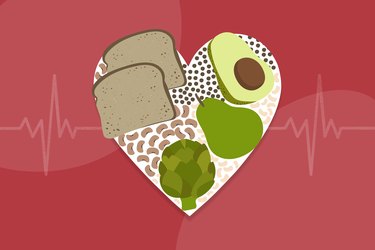
Cholesterol's had a bad rap for decades (just ask anyone who refuses to eat eggs), but our bodies actually can't function without it.
Yes, having too much cholesterol is one of the major risk factors for heart disease — aka the leading cause of death in American adults — but that doesn't mean cholesterol is 100 percent evil.
We need some cholesterol; we wouldn't be able to live without it. Instead of banning cholesterol from our diets entirely, maintaining heart health is about finding a healthy balance.
But cholesterol can be confusing — which is why we've put together the ultimate guide to help you better understand what cholesterol is (and isn't), what causes high cholesterol and, most importantly, how to prevent and manage high cholesterol levels with diet and exercise.
What Is Cholesterol, Exactly?

Cholesterol is a waxy, fat-like substance produced by the liver and also found in some of the foods we eat. It's present in every cell in the body and helps make hormones and vitamin D (which is actually a hormone) as well as build cells.
There are three types of cholesterol you need to know about:
- HDL: high-density lipoproteins, the "good" kind of cholesterol that works to prevent heart disease-causing plaque in the arteries
- LDL: low-density lipoproteins, the "bad" type of cholesterol that can cause plaque buildup
- VLDL: very low-density lipoproteins, another type of "bad" cholesterol that can lead to increased plaque
Then you've got triglycerides, which are a type of fat that comes from sugar as well fatty foods such as butter and oil. Triglycerides technically aren't a type of cholesterol, but they're usually measured at the same time, and they're also involved in your risk of heart disease.
Here's everything you need to know about the types of cholesterol and the levels that are considered healthy.
What Causes High Cholesterol?

Having high cholesterol levels simply means there is too much of the waxy substance in your blood, which puts your heart at risk.
"It's easy to assume that high cholesterol is an older person's disease, but the reality is more and more folks are developing it in their 20s and 30s — especially if they have risk factors such as being overweight," says Suzanne Steinbaum, DO, a cardiologist in New York City and spokesperson for the American Heart Association.
More than 12 percent of adults over the age of 20 have high cholesterol, defined as levels greater than 240 mg/dL, according to the Centers for Disease Control and Prevention.
Aside from a genetic condition that leads to high cholesterol levels (called familial hypercholesterolemia), lifestyle factors play a significant role in those high numbers. The good news is that, in many cases, high cholesterol levels can be lowered by making a few changes to your daily habits.
Uncover more of the most common causes of high cholesterol.
How to Lower Your Cholesterol Numbers
If a recent blood test shows you have high or borderline-high cholesterol, it's not all bad news.
"Your cholesterol, especially your LDL, is incredibly responsive to lifestyle," Dr. Steinbaum says. "So, after six weeks of healthy strategies such as eating right and exercising, you should start seeing changes."
There are other effective ways to lower your cholesterol levels and bolster your heart health, such as losing just 5 to 10 percent of your body weight if you're overweight. And it's pretty easy to get started.
Apply these cholesterol-lowering tips to help you drop a few points.
How Food Affects Your Cholesterol Levels

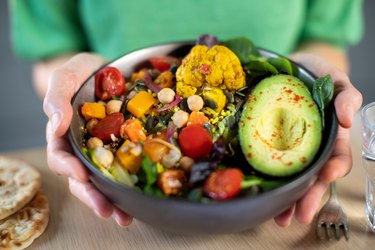
Cutting back on saturated fat is a great place to start when you want to lower your LDL levels, but it's important to add more of the right foods to your diet, too.
Try swapping saturated fatty foods, such as meat and full-fat dairy, for foods rich in unsaturated fats, such as avocados, nuts, seeds and olive oil. It's also important to include plenty of high-fiber foods in your diet.
Eating 5 to 10 grams of soluble fiber (aka the type of fiber that binds with cholesterol in the intestines and shuttles it out of the body) each day can help drop your total cholesterol and LDL cholesterol levels by 5 to 11 points, according to the National Lipid Association.
Add some of the top cholesterol-lowering foods to your next grocery list.
Can Exercise Help Lower Cholesterol?

Most people think about diet when it comes to managing cholesterol, but you shouldn't ignore regular exercise. Any activity (jogging, HIIT workouts, lifting weights, dancing — there's something for everyone) helps raise your good HDL, which sweeps the harmful LDL out of your blood vessels, as well as drops those harmful triglycerides.
"I tell my patients that exercise is even better [than medication] because it's the only thing that's proven to raise HDL cholesterol — no drug can do that," Dr. Steinbaum says.
Learn how exercise helps lower cholesterol levels — and which workouts are most effective.
Is this an emergency? If you are experiencing serious medical symptoms, please see the National Library of Medicine’s list of signs you need emergency medical attention or call 911.