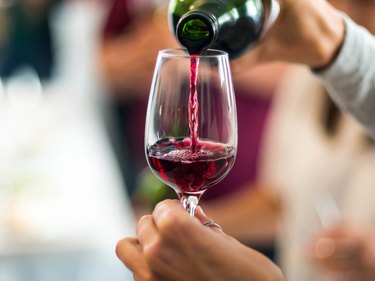
Alcohol and the liver typically don't mix. Your liver is in charge of ridding the blood of drugs and other toxins, creating bile to transport waste and break down fats during digestion and converting poisonous ammonia to urea to be excreted in the urine, among other things. Consumed in excess, alcohol can injure the liver, making it unable to perform its duties so necessary to health. Heavy alcohol consumption is one of the major causes of fatty liver; strangely enough, research has shown that an ingredient in red wine called resveratrol may be able to prevent or treat alcoholic fatty liver disease.
Fatty Liver Explained
Video of the Day
Fatty liver is a condition in which certain fats build up inside liver cells. A common cause of this disorder is excessive consumption of alcohol, according to Merck Manual. Chronic heavy alcohol use inhibits fatty acid metabolism and causes liver injury, which, in combination, leads to the buildup of fats in the liver.
Video of the Day
Fatty liver can also be non-alcohol-related. Referred to as nonalcoholic fatty liver disease, it's typically caused by insulin resistance, being overweight and having high levels of triglycerides and cholesterol in the blood, a group of symptoms related to metabolic syndrome. Certain drugs, toxins and hereditary metabolic disorders are also causes.
Fatty liver on its own isn't serious. Once the cause of the problem is resolved, the fat will dissipate. For example, if the fatty liver is caused by excess alcohol consumption, the fat will disappear within six weeks once the person stops drinking, reports Merck.
Read more: Which Vitamins Help to Fight a Fatty Liver?
Red Wine and Fatty Liver
If alcohol consumption causes fatty liver, then in doesn't make sense that it could also be a preventative substance and a treatment. But some older research showed that it may be. A study published in 2008 in American Journal of Physiology found that an antioxidant polyphenol — or plant-based chemical — in wine could actually help alleviate fatty liver. In the animal study, treatment with resveratrol in mice feeding on ethanol regulated two molecules involved in liver fat metabolism in animals, including humans. A more recent study published in 2015 in Digestive and Liver Disease found that resveratrol improved fat metabolism in people with nonalcoholic fatty liver disease.
Red Wine Benefits
Aside from its resveratrol content, red wine doesn't offer any other benefits for fatty liver. Whether red wine is beneficial for fatty liver depends on the cause. If it's alcoholic fatty liver, abstaining from alcohol is the best treatment, reports Merck Manual. If the fatty liver is not alcohol related, modest consumption of wine may be mildly protective. Moderate consumption, according to a 2008 study in Hepatology, is one glass of wine per day.
A Better Option
Resveratrol isn't found only in wine. It's found in the skins of grapes used to make red wine, and it's also found in berries and peanuts, according to WebMD. You can get the red wine benefits by consuming these foods as well. Resveratrol also comes in supplement form, which is a more concentrated source of the substance. Have a discussion with your doctor about whether a resveratrol supplement is right for you. Your doctor can also discuss methods for losing weight and resolving any metabolic disorders that may be contributing to fatty liver disease.
Read more: Foods That Are Good for Fatty Liver
- Johns Hopkins Medicine: Liver: Anatomy and Functions
- Hepatology: Modest Wine Drinking and Decreased Prevalence of Suspected Nonalcoholic Fatty Liver Disease
- American Journal of Physiology: Resveratrol Alleviates Alcoholic Fatty Liver in Mice
- Merck Manual: Fatty Liver
- Digestive and Liver Disease: Resveratrol Improves Insulin Resistance, Glucose and Lipid Metabolism in Patients With Nonalcoholic Fatty Liver Disease
- WebMD: Resveratrol May Help Treat Fatty Liver
Is this an emergency? If you are experiencing serious medical symptoms, please see the National Library of Medicine’s list of signs you need emergency medical attention or call 911.