





























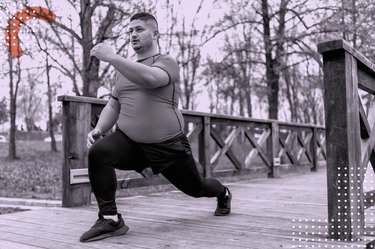










































Previously, physicians advised patients with neuromuscular diseases to avoid exercise, based on the theory that it might exasperate their condition. No controlled studies have examined this theory. Although research is limited, clinical data suggests that strengthening exercises in combination with aerobic exercise is likely to benefit patients with muscular dystrophy. Consult your doctor before starting an exercise program.
The Debate
Muscular dystrophy is a group of inherited diseases characterized by muscle loss and muscle weakness. There is an ongoing debate as to whether people with muscular dystrophy should exercise. Although overexercising can result in muscle damage, being sedentary also can impact your health in a negative manner. Muscles need exercise to function optimally. However, the type and amount of exercise recommended varies for people with neuromuscular diseases. Exercise programs are designed to slow disease progression, increase strength and improve aerobic capacity.
Strength Training
In healthy individuals, strength training provokes the muscles to repair themselves, which increases growth and strength. There's a concern that your muscles might not be able to repair themselves if you have muscular dystrophy. Harvard researchers conducted a review of clinical data to explore this theory and published their findings in the September 2003 issue of the "Journal of Clinical Neuromuscular Disease." The review found that strength training, such as bicep curls and leg extensions, improves muscle strength in people with neuromuscular disorders, without damaging muscles.
Aerobic
Under normal circumstances, aerobic exercise, which works large muscle groups, improves sleep quality, cardiovascular function, and reduces psychological stress. The benefits of aerobic exercise appear to be the same in people with neuromuscular disorders, according to Harvard researchers. However, you might need to perform at a lower intensity if you have muscular dystrophy. The data reviewed by Harvard researchers examines the aerobic response at 50 to 60 percent of the maximal heart rate.
Considerations
Exercising possesses a number of potential benefits if you have muscular dystrophy. Your ability to participate in and benefit from exercise will depend on a number of factors, including age, disease progression and baseline strength. Before designing a workout program, your doctor will need to examine these factors to help determine a beneficial exercise load. Most clinical data examines low-intensity exercise benefits.
References
- Journal of Clinical Neuromuscular Disease: Exercise in Neuromuscular Disease
- Journal of Applied Physiology: Voluntary Exercise Decreases Progression of Muscular Dystrophy in Diaphragm of Mdx Mice
- Boston Medical Center Pediatrics: Physical Training in Boys with Duchenne Muscular Dystrophy: the Protocol of the No Use is Disuse Study


