


























Menopause is the time at which a woman has her last menstrual cycle and occurs, on average, at age 51, according to the National Institute on Aging. The changes that result as a woman enters post-menopause may be difficult to adjust to, but it is possible to live a healthy, satisfying life following this transition for a woman. Because these changes can be confusing or emotionally difficult to adjust to, the Office on Women's Health recommends learning about these changes and finding healthy ways to adapt.
Causes
Menopause is produced by changing hormonal levels in a woman's body. Estrogen and progesterone are the hormones involved with the menstrual cycle, and the American Academy of Family Physicians explains that as a woman ages, her ovaries produce less of these hormones. The physical changes that occur during and following menopause are due to the low supply of estrogen and progesterone.
Types of Changes
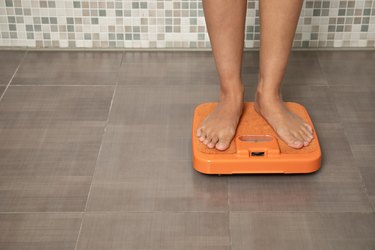
According to the Cleveland Clinic, the long-term changes a woman experiences following menopause include poor skin elasticity, poor memory function, decreased muscle strength and tone, compromised bladder function and increased risk for urinary tract infections, vision problems and weight gain. Additionally, vaginal dryness and changes in sex drive can make sexual relations difficult. Because each woman is individual, these symptoms will vary.
Bone Loss
Your body is in the constant process of breaking down and replacing your bones. This is a healthy, normal process that is controlled by estrogen. After menopause, the NIA states that the absence of estrogen's moderating presence causes more bone to be broken down than is replaced. The Cleveland Clinic reports that women lose an average of 25 percent of their bone mass between menopause and age 60. Your skeletal system is weakened and you are at an increased risk for fractures.
Coronary Artery Disease
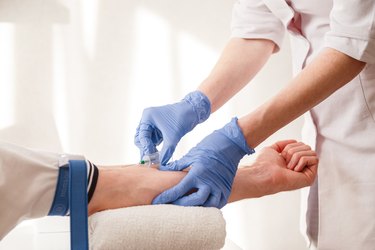
Coronary artery disease is a condition involving the buildup of plaque in the arteries that supply the heart muscle with blood. High blood cholesterol contributes to CAD. Estrogen helps protect women from getting heart disease, according to the American Heart Association, by raising high-density lipoprotein (HDL) levels. The Cleveland Clinic states that estrogen also helps reduce the risk of blood clots and helps improve blood flow to the heart. As estrogen levels decrease and women age, total cholesterol levels and the risk of CAD rise.
Adapting
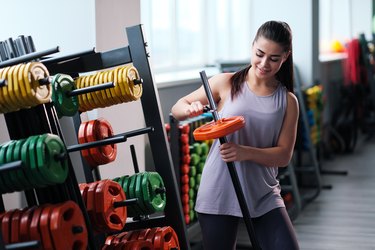
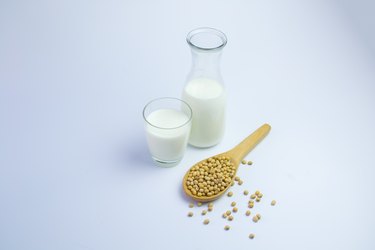
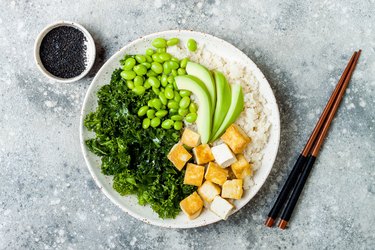
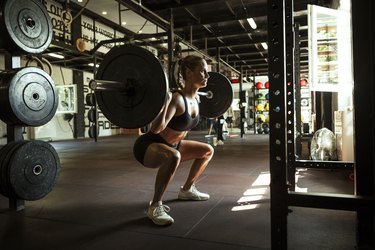
Although menopause brings many physical challenges, it's possible to adapt to these with healthy lifestyle changes. Get plenty of exercise, and eat a balanced, healthy diet. The NIA recommends eating a diet high in calcium and vitamin D to help maintain strong bones, as well as doing weight bearing exercise. Use vaginal lubricants or estrogen creams to help address vaginal dryness. Reduce stress in your life, and learn effective coping mechanisms to help deal with the emotional issues surrounding menopause.


