





























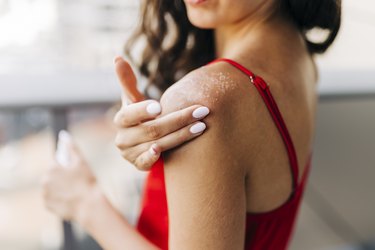
















Although acne is most often associated with facial blemishes, arms are particularly vulnerable to this common skin problem. Causes for arm acne, such as excess oil, clogged pores and bacteria buildup, are similar to facial acne. However,...
Acne can occur anywhere on the body, including the face, arms, legs, back, neck and chest. When acne appears on the arms, it can cause the skin to feel rough and unevenly textured. The arms can become painful if clothing constantly rubs against...
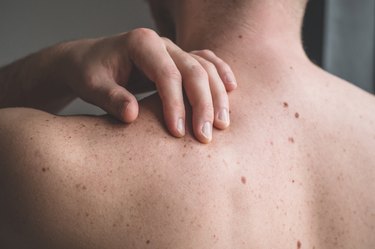
Acne is mostly associated with blemishes that appear on the face, but it can also show up on other parts of the body. Arms and back are particularly vulnerable to developing acne, which can make it difficult to wear tank tops, backless or...
Acne can appear anywhere on the body, including the back, chest, buttocks, arms, and legs. When acne occurs on the arms and legs, it can be embarrassing to wear short-sleeved shirts and shorts and can lead to a lowered sense of self-esteem. In...
Difference types of acne scars can appear on your arms depending on the type of acne you have. Two of the most common types of scars, according to Acne.org, are ice pick and box car. Ice pick scars are small, deep pits, while box car scars have...
Acne can flare up on any part of the body, including the backs of the arms, the face, chest and back. When acne appears on the backs of the arms, it can make the arms feel bumpy, painful and irritated. In order to clear acne on the back of the...
Pimples are commonly caused by infected hair follicles or clogged pores. They are most likely to appear on your face, back, chest and shoulders -- where the oil glands in your skin are most active -- but can occur anywhere on your body, including...
Acne is a very common skin condition, affecting nearly everyone at one time or another. While acne is most common on the face, many acne sufferers also have breakouts on other areas of the body. These can appear on the back, shoulders, chest,...
Acne and keratosis are two common causes of blemishes on your arms. Acne can include small, pus-filled bumps on the skin; keratosis is characterized by small red bumps that do not contain pus. Acne may cause irritation or mild pain; keratosis...
Stress is one of the reasons pimples occur on the arms, typically on the upper arms, shoulders and chest. Stress also causes pimples on the back and acne on the face. Acne occurs in response to your body's reaction to stress, called the...
The word "acne" is used to describe plugged whiteheads, blackheads, pimples and nodules or cysts that commonly occur on your face, back, neck and arms. Acne is a skin problem that affects millions of individuals worldwide, especially adolescents....
Acne can appear anywhere on the skin, but most often occurs on the face. Many people experience acne that localizes around a particular area on the face, such as around the mouth. Because the mouth moves frequently throughout the day, acne in this...
You don't have to buy expensive prescription creams, which can be excessively drying to your skin, to treat acne. Although late-night TV commercials regularly tout the latest acne treatment system, you may be able to treat pimples just as...
Acne is usually treated with strong chemical creams and lotions, but sometimes these treatments can be too harsh on the skin and can cause, itching, redness, peeling and irritation. Fortunately, acne-covered skin can be repaired by applying a few...
Proper facial skin care requires regular cleansing and moisturizing. However, facial toners also play an important role in assuring you have a healthy and clean facial appearance. Whether you use a homemade toner such as rose water or lavender, or...
Cushing's disease is a condition caused by abnormally high levels of cortisol. Cortisol is a hormone produced by the adrenal gland to help the body react to physical and emotional stress, metabolize foods and regulate blood pressure. Cushing's...
Blackheads are a type of skin acne that is caused by the pores becoming clogged and impacted with excess sebum, dead skin, oils and bacteria. These impurities stretch open the pores, allowing oxygen to oxidize the sebum and oils, effectively...
Acne can be seen on the skin in many different forms, including blackheads, papules, pustules, cysts and nodules. If acne is severe enough, or if it is picked or popped too frequently, it can cause the skin to become scarred and damaged. These...
Many people are plagued by dark discolorations on the their bodies, ranging from freckles to birthmarks. Perhaps the most disconcerting of the benign or noncancerous spots are those that appear on the face. Such dark spots, especially if dark in...
Acne blemishes occur due to the pores of the skin becoming blocked by oils and sebum, then becoming infected with bacteria. There are many different skin care products in stores that are touted to clear up acne, but most of these products contain...
American Chronicle notes that an acne scar will form just like any breakage or laceration to the skin will. PIH (Post Inflammatory Hyper) pigmentation is the process by which the body works on the scar tissue for up to 2 years after the skin...
Acne blemishes can leave behind unsightly discolored spots and marks that can make your skin appear blotchy and uneven. Scarred and discolored spots on the skin can be more tough and dry than the surrounding skin, making it more difficult to...
Most people that are affected by acne will try to use an over-the-counter, acne-fighting product to dry up and eliminate their acne breakouts. Unfortunately, most chemical acne products contain ingredients that can irritate and inflame the skin,...
Acne breakouts are typically treated with medicines, such as benzoyl peroxide creams, which contain harsh chemicals that are designed to dry up pustules and kill off acne-causing bacteria on the skin. While some people can use these medicines...
Acne may appear to be a matter of superficial cosmetic concern, although this might not warrant mention to the adolescent whose confidence flags when the first peppering of pimples erupts on her forehead. Jane Liedtka of the U.S. Food and Drug...
Acne is a common skin condition that affects men and women of varying ages. It occurs when sebum, or the body's natural oil, combines with bacteria within a clogged pore. Pimples erupt in response to white blood cells attacking the site of...
Acne develops when the sebaceous glands within the skin secrete excess oil and flood the hair follicle, according to the Acne Resource Center. When the oil presses on the skin, it begins to harden creating a blemish such as a whitehead or...
Enlarged skin pores on the face become can not only cause the skin to appear sallow and ruddy, but can also can encourage bacteria to become trapped inside, which can lead to acne breakouts and blackheads. To shrink the size of the pores and to...
The Acne Resource Organization asserts that acne is a common skin disorder where high levels of secreted sebaceous oil mix with bacteria in a clogged pore. Pimples, whiteheads, blackheads and associated blemishes emerge causing significant...