





































































Controlling and managing diabetes requires a lifestyle that supports normal blood sugar and a healthy weight to prevent diabetic complications and promote health. All foods can be consumed in a diabetic diet however certain ones should be limited more than others and every diet needs to focus on moderation, portion control and balancing diet with physical activity.
Grain
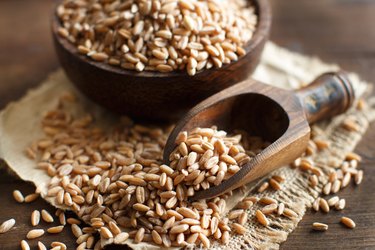
The American Diabetes Association (ADA) recommends making half of all grains whole grains like brown rice, oatmeal, whole grain pasta and bread, corn, barley and quinoa which are high in fiber. In a study published in 2009 in "Diabetes Care" Italian researchers from the Department of Clinical and Experimental Medicine at Frederico II University studied the relationship between a plant-based high-carbohydrate/high-fiber diet and diabetes. They found that a high fiber diet had positive effects on the heart, which in turn helped to manage diabetes. The same study also showed that a high-fiber diet helped control blood sugar.
Fruit
Eat fruits in moderation but pay attention to portion size because fruits contain carbohydrates which elevate blood sugar. Purchase fruits in a variety of colors with emphasis on seasonal and local varieties. Choose canned fruits that are packed in water or light syrup to reduce the amount of added sugar.
Vegetables
Fresh, frozen and canned vegetables are low in calories and fat but high in vitamins, minerals, fiber and antioxidants. When shopping for frozen or canned vegetables, look for ones that are not processed with added fat, sugar or salt. Limit starchy vegetables like peas, corn, potato, pumpkin and sweet potato; they contain more carbohydrates than other vegetables that result in higher blood sugar elevations.
Meat & Beans
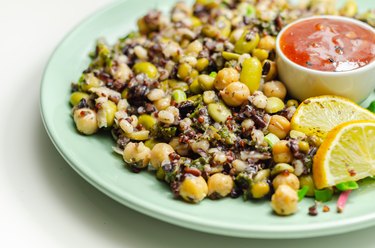
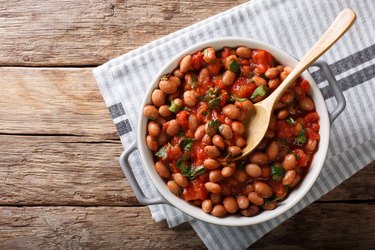
Eat lean meats, fish, seafood and eggs which are protein and nutrient rich and lower in fat and calories. Beans, legumes and nuts are also good sources of protein and fiber and should be eaten a few times a week. Decrease saturated fat and calories by removing all visible fat and skin from meat and poultry, and cook using healthy methods like broiling, grilling, steaming, poaching and roasting.
Dairy
Dairy products are rich in calcium, vitamin D and phosphorus. Choose low-fat and non-fat milk, yogurt, sour cream and cheese which have all the benefits of regular dairy products without extra fat and calories.
Fat
Too much dietary fat can lead to obesity which complicates diabetes and is a precursor for many chronic diseases. The ADA recommends moderate intake of unsaturated fats from liquid oils, avocado, fish and nuts to benefit the heart. Saturated and trans-fats like butter, lard, hydrogenated oils and pork fat should be limited; they raise cholesterol which increases the risk of heart-related conditions. Learn to read nutrition fact labels to determine the type and amount of fat in a product.
Sugar
Sugar raises blood sugar and too much can lead to short-term and long-term diabetic complications. Limit desserts, candy, snacks and beverages that have a lot of added sugar. Replace regular sugar with artificial sweeteners that are low in calories and do not elevate blood sugar.
Alcohol
Alcohol can be consumed only if blood sugars are well controlled. Women should limit themselves to one drink a day and men to two drinks a day. The ADA also recommends drinking alcohol with food and water, sipping alcoholic beverages slowly and checking blood sugar regularly to avoid negative side effects.
References
- American Diabetes Association: Making healthy food choices
- American Diabetes Association: What can I eat
- "Diabetes Care"; Effects of a plant-based high-carbohydrate/high-fiber diet versus high-monounsaturated fat/low-carbohydrate diet on postprandial lipids in type 2 diabetic patients; C. De Natale, et al.; December 2009
- "Diabetes Care"; Glycemic effects of moderate alcohol intake among patients with type 2 diabetes: a multicenter, randomized, clinical intervention trial; I. Shai, et al; December 2007


