


























































4 Ways to Prevent Gangrene

1. Quit Smoking

Tobacco use, particularly cigarette smoking, can damage your veins and arteries. Since gangrene can result when blood flow to the site of tissue trauma is restricted, you're considered to be at greater risk if you smoke.

2. Monitor Your Diabetic Condition

If you're diabetic, you're more prone to infections and healing complications. Gangrene results when proper healing cannot or does not take place and the affected tissue dies. This is more likely to happen in diabetic patients, since they have a harder time warding off infections and healing wounds.
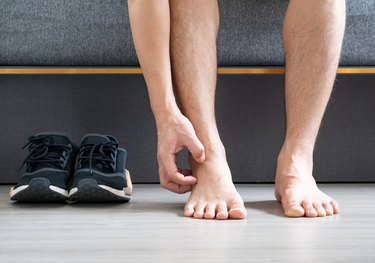
Diabetics should perform a daily visual inspection, particularly of the palms of your hands and the soles of your feet, to check for cuts and abrasions. If you notice any that are accompanied by signs of infection or swelling, talk to your doctor right away.

3. Make Sure Wounds Don't Get Infected

One of the most common causes of the several different types of gangrene is infection. If you sustain a cut, particularly a deep cut, clean it daily with peroxide and keep the site of the wound free of excess moisture as it heals. This type of gangrene is known as wet gangrene, and it tends to spread to adjoining tissues rapidly, which can cause life-threatening complications. Talk to your doctor immediately if you get an infected wound, as you'll need specialized treatment to ensure the infection doesn't cause gangrenous complications. You're also at heightened risk of getting gangrene after you suffer a bad burn because of bacterial infestation in the affected area.

4. Protect Against Frostbite

Take extra care to prevent frostbite if you have blood flow problems, since frostbite causes blood to circulate poorly to affected skin. If you're unable to avoid being out in the cold, contact a doctor immediately if you find that your skin becomes hardened, discolored and numb, as these are the signs of frostbite.

Last updated on: Nov 18, 2009

Must see: Photo Galleries