































































Dehydration is a condition of inadequate body fluids. Not drinking enough water or excessive water loss through sweating or frequent urination causes dehydration. Most people do not consume the recommended eight to 10 glasses of water per day so frequently people tend to be mildly dehydrated. The side effects of being dehydrated involve multiple body systems and range from mild to life-threatening.
Dry Mouth
Side effects of dehydration begin with a dry mouth and a sense of thirst. The tongue and oral mucous membranes will look dry or coated. Your mouth may even feel sticky.
Fatigue
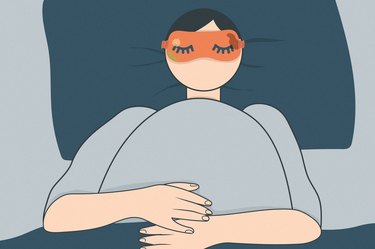
Water is essential for cellular function. The American College of Sports Medicine discusses how inadequate water intake prevents all systems in the body from functioning in the proper manner. Low energy, loss of muscle strength and endurance and feeling tired are symptoms of dehydration.
Infants and children with moderate to severe dehydration may be sleepy and lethargic or they may be irritable and fussy. Dark circles under the eyes and a lack of tears are another sign of dehydration to observe for in children.
Hunger
A sense of hunger is a side effect of dehydration. Fluid can be obtained through eating foods like fruit and vegetables or soup. Your body signals its need for water through thirst and hunger sensations.
Headache
The Mayo Clinic discusses how mild to moderate dehydration will cause a headache. Often a headache can be relieved by drinking several ounces of water. Memory and thinking ability are also diminished when you are dehydrated.
Decreased Urine Output
A decrease in urine output is a sign of moderate to severe dehydration. The Mayo Clinic advises that infants who have fewer than six wet diapers a day or children and teenagers who do not urinate for eight or more hours need intervention to treat dehydration. Encourage fluid intake and if the person is unable to drink or eat appropriately they should see a doctor. Severe dehydration left untreated can cause permanent kidney damage. Urine should be clear and very light yellow in color. Dark urine, strong smelling urine, or burning with urination are signs of dehydration.
Low Blood Pressure
A moderate to severe dehydration side effect is low blood pressure. Donna D. Ignatavicius, MS RN, and M. Linda Workman, Ph.D, authors of "Medical-Surgical Nursing: Critical Thinking for Collaborative Care," explain how low fluid intake causes a decrease in circulating blood volume causing low blood pressure. Symptoms you may notice are dizziness and feeling like you might faint when you stand up.
Tachycardia
A rapid heart rate is a sign of moderate to severe dehydration. The heart rate increases in an attempt to maintain the blood pressure. Fluid replacement is urgent and if the person cannot consume adequate fluids he should be taken to the doctor.
Altered Mental Status
A side effect of severe dehydration is confusion and unconsciousness. A person in this state needs emergency medical care. The person with severe dehydration will have a low blood pressure, a rapid heart rate, possibly a fever, extreme weakness and mental confusion.
References
- Mayo Clinic: Dehydration symptoms
- American College of Sports Medicine: Exercise and fluid replacement
- "Medical-Surgical Nursing: Critical Thinking for Collaborative Care;" Donna D. Ignatavicius MS RN, & M. Linda Workman Ph.D; 2006


