




















































Breastfeeding is the most natural way to feed a baby. Many women choose to breastfeed because of the health benefits it provides to the baby. Yet even though it's natural, some women still experience concerns about their baby's health. One of the most common concerns that new mothers have about their babies is that they are gassy and don't know what to do. Breastfeeding women can decrease gas in their baby by paying special attention to their diet.
Nomal Gas
All babies have gas. Whether they are breastfed or formula-fed, gas is normal for babies because their digestive system is still developing. Kelly Bonyata, an international board-certified lactation consultant, explains on her website that just because a baby has gas doesn't automatically mean it is due to the mothers diet. Gas is not always a problem for babies, but if it is very frequent and persistent, it may lead a woman to try changing her diet.
Cruciferous Vegetables
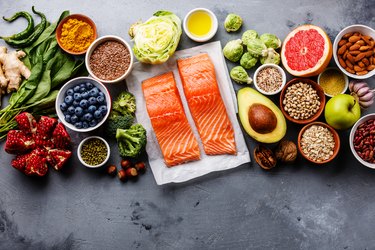
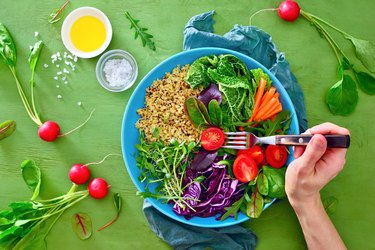
Jan Barger, lactation consultant for the website BabyCenter.com, states that eating cruciferous vegetables like broccoli, cauliflower and cabbage tends to cause gas in many breastfed babies. Though the amount of gas caused when a woman eats these vegetables isn't harmful to the baby, it could cause mild discomfort in the gastrointestinal tract. Breastfeeding mothers may want to avoid cruciferous vegetables in favor of vegetables like celery and carrots instead.
Spicy Foods
Many breastfeeding women are afraid to eat spicy food because they have heard that doing so will cause problems for their baby. While eating spicy foods is completely safe for breastfeeding women, BabyCenter.com explains that it may make babies gassier and possibly even fussier. Avoiding spices like cayenne and chili powder as well as spicy foods can help to reduce gas in babies.
Dairy
Another common source of gas for breastfed babies is dairy in the mother's diet. Jan Barger of BabyCenter.com explains that dairy like milk, cheese, yogurt and ice cream can cause gas in babies who are breastfed when they are consumed by the mother. This doesn't occur with all breastfed babies, but some are more sensitive to lactose, a carbohydrate found in cow's milk and cow's milk products.
Treatments
The most effective treatment for reducing gas in breastfed babies is simply waiting until their digestive systems become more developed or get used to the mom eating particular foods, states Kelly Bonyata. In the meantime, simethicone drops can break down bubbles of gas in the baby's stomach, making the baby feel better. The baby's pediatrician may be able to identify other treatments for gas in the breastfed baby.


