























While summer nights can be lovely while camping out under the stars, the days can be brutal with heat and humidity. Nothing can ruin an outdoor camping trip faster than a heat wave you are unprepared to handle. Extreme heat is particularly difficult and hazardous for children and senior citizens to handle, so you'll want to avoid medical emergencies and disagreements. Fortunately, there are several effective measures you can take to get through a heat wave and still enjoy the outdoors.
Light Colored Clothes.
Wear clothing that is light in color to reduce your body temperature. Light colors like white, yellow, and pastel blues and greens reflect sunlight. Dark colors absorb light and will cause you to "cook" faster.
Lightweight Cotton Clothing
Cotton fabrics breathe better than fabrics that contain synthetics like nylon or polyester. Focus on wearing lightweight cotton or linen clothes, rather than heavier cottons like denim.
Layered Clothing
Start your camp day by layering your wardrobe. Pull on a light-colored bathing suit halter top or a sleeveless tank top. Layer over this with a light-colored cotton short sleeved T-shirt. Pull on a long sleeved, cotton shirt or blouse for chillier mornings. Pull light pants over a pair of shorts, over bathing trunks. You can then peel back the layers as the heat increases over the day.
Iced Hats
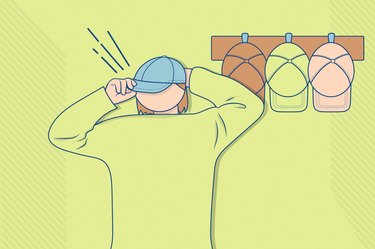
Pour ice water over a ball cap and put it on your head. This offers instant relief from the heat. If you don't want to get your cap or your hair wet, place some ice water in a plastic bag with a seal. Fit the bag into the top of your cap and place it on your head.
Camp Air Conditioning
If you have access to electricity at your campsite, get a box fan and a large block of ice. Place the ice block in a large bowl, on top of a picnic table. Set the box fan setting to "Low" and position the box fan just behind the ice block, so the ice will chill the breeze the fan creates. Place your camp chairs in front of this cool breeze. This can also be particularly effective inside a hot tent during an afternoon nap.
Shade
While you should avoid staking your tent directly under trees (to prevent attracting bugs), situating your campsite near trees can provide relief. Look for trees that will cast deep shadows in the hottest part of the day. Trees on the south side of your camp area offer the most shade. Pack a portable shade canopy with your equipment to erect in case your campsite is tree-less.
Foods and Beverages
Avoid caffeine and alcohol as both will raise your body temperature. Stock your ice chest with cold water, athletic drinks and fruit juices instead. Freeze them (in plastic bottles) ahead of time. Avoid hot or heavy meals. Don't plan strenuous physical activities immediately after meals.
Quiet Activities
Except for swimming, plan for quiet activities that don't require a lot of physical movement, such as playing board or card games or fishing from a shady bank. Postpone activities that take a lot of exertion, like softball or hiking, until early evening or very early in the morning before breakfast.
Field Trips
If there are sight-seeing opportunities near the campground, escape the worst of the heat by getting out of the sun in the afternoons and into some air conditioning for a few hours. If taking the whole family to the movies doesn't sound fun, a trip to a nearby cave or a riverboat cruise are some cooler outdoor alternatives.


Member Comments