

































Cold in the Eye Symptoms

Cold in the Eye Symptoms
Photo Credit Eye image by Igor Tsaranenko from Fotolia.com

Many people have eye symptoms when they suffer from a cold. Frequently called a "cold in the eye" or "pink eye," doctors refer to this condition as conjunctivitis. The virus may disappear on its own after a day or so, but some people require eye drops to treat the condition. Conjunctivitis spreads easily from one person to another. Knowing the symptoms of a cold in the eye will help determine, not only if a friend or loved one has conjunctivitis, but may help avoid contact with someone who has the symptoms.

Redness

The virus often causes the white of the eyes to appear red and irritated. For some people, the entire white of the eye turns pink. The virus may also cause the eyelids to turn red, especially around the rims of the lids.

Swelling

In response to the virus and irritation, people with an eye cold often have eyelid swelling. Some experience mild swelling while others have significant puffiness that may cause the eye to swell shut partially or completely. Even small amounts of swelling may cause the eyelids to press against the surface of the eye, and this can distort vision. Eyelid swelling may respond to cool compresses, slightly cooler than room temperature.

Itching

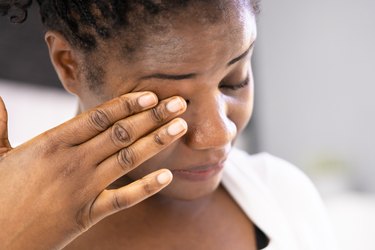
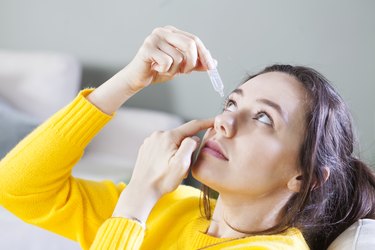
Most people with conjunctivitis have itchy eyes. The itch often seems so intense that no amount of eye rubbing eases the discomfort. Eye cold sufferers should avoid rubbing their eyes since this increases the risk of spreading the condition. Though not a solution, using cold artificial tears kept in the refrigerator may help relieve the intense itching for a short time.

Drainage

Infected eyes may have green or yellow drainage. If this occurs, the eyes often have crusty eyelids in the mornings. As well, if the discharge dries on the eyelids, the lids may not open easily. Soaking a washcloth in warm water and placing the damp cloth over the eyes for a few minutes will often loosen the matter enough to clean off without pulling eyelashes or causing further irritation to the eyelids.

References

Article reviewed by Allen Cone Last updated on: Mar 9, 2011

Must see: Photo Galleries