























Medicinal Uses of Plantain

Medicinal Uses of Plantain
Photo Credit Plantain image by Radiat from Fotolia.com

Plantago lanceolata or P. major, commonly called plantain, is a weedy herb that's been used in traditional medicine as a curative for wounds, fevers, congestion and constipation. Today, plantain herbs are commonly used to treat skin conditions and upper respiratory ailments. Plantain herbs are used topically or taken internally as a tea, syrup or tincture.

Treating Chronic Bronchitis

Plantain can help to relieve inflammation of your mucous membranes and help to reduce congestion, according to the Georgetown University Medical Center. The major constituents in plantain offer mild anti-inflammatory, antimicrobial, antihemorrhagic and expectorant effects, says the University of Michigan Health System. Plantain is approved in Germany for treating coughs and mucous membrane irritation from upper respiratory infections. Several clinical trails have indicated that taking plantain orally can effectively treat chronic bronchitis, the University of Michigan notes. To treat bronchitis and cough, you can steep 1/4 to 1/2 tsp. of plantain leaf in 1 cup of hot water for 10 to 15 minutes to make a tea that you drink three times daily. You can also take 1/2 tsp. of plantain syrup or tincture three times daily to treat coughs.

Treating Burns

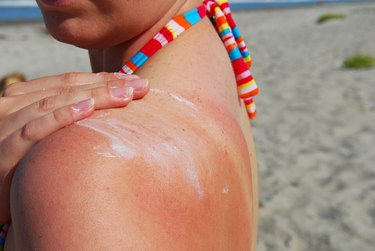
Applying plantain topically to the skin may help to treat burns. Externally, plantain is often used for relieving skin inflammations, says the Georgetown University Medical Center. You can apply the whole leaf to the burn as a poultice to soothe pain, reduce tissue inflammation and encourage tissue repair, says the University of Michigan Health System.

Relieving Dermatitis

Topical applications of plantain can help to treat poison ivy, poison oak and other types of contact dermatitis, according to the University of Michigan Health System. Plantain is also used to treat insect stings and bites. Also, a preliminary clinical trial found that applying ointment containing 10 percent ground plantain in a petroleum jelly base helped to treat the inflammatory skin conditions impetigo and ecthyma, notes the University of Michigan. To treat burns, dermatitis and insect stings, the University of Michigan recommends applying the whole fresh leaves directly to the affected skin areas three or four times per day.

References

Article reviewed by K. Landmark Last updated on: May 17, 2010

Must see: Photo Galleries

Member Comments