














































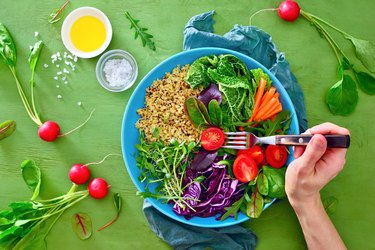

Platelets are microscopic compounds in your blood that are produced in your bone marrow. They are responsible for clotting your blood, such as when you cut your skin. The lower your platelet count is, the more susceptible your body is to bleeding and the longer you will bleed before the injury clots and develops a scab. Platelets can be reduced for a number of reasons, particularly due to chemotherapy treatments. You can support your body's platelet production through your diet.
Whole Grain Foods
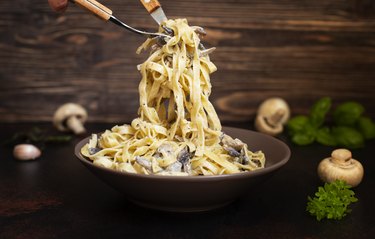
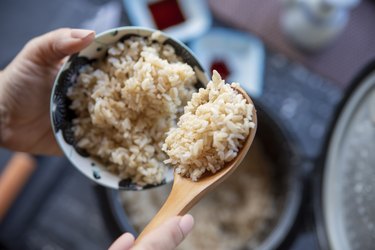
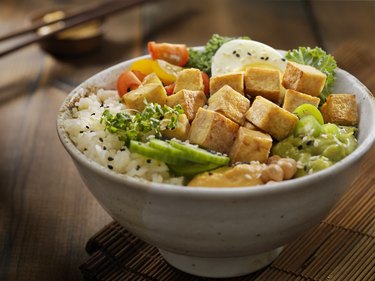
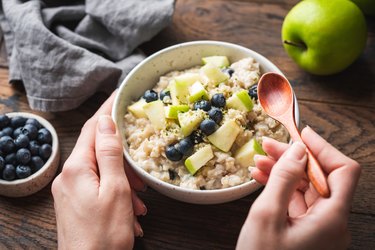
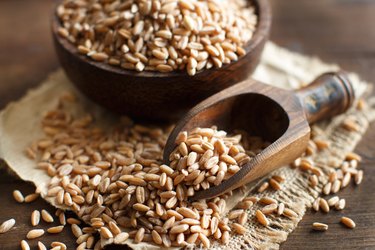
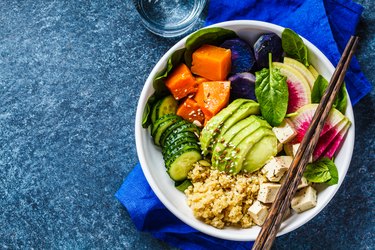
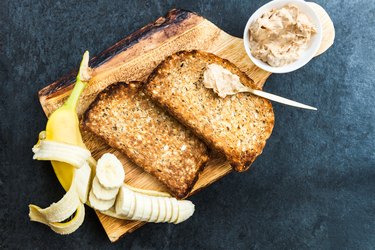
The Platelet Disorder Support Association lists whole grains among its most important foods for individuals with low platelet counts. This is because the processing of grains to create white or refined breads and flours eliminates some of the healthiest features of grains. Eating whole grains helps to retain these nutrients and provide them to your body. Whole grain cereals, whole wheat breads and pastas, and brown rice are some common forms of whole grains that you can integrate into your diet.
Green Vegetables
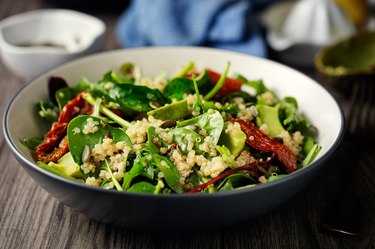
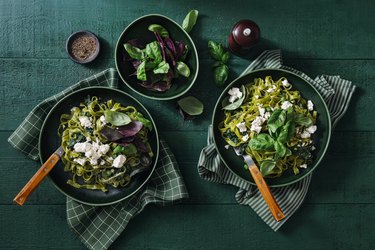
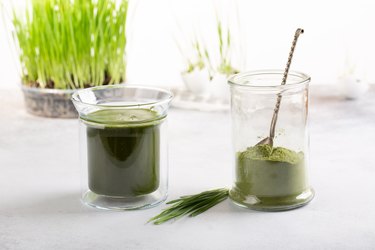
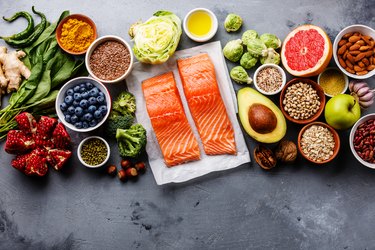
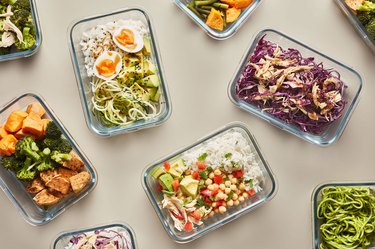
Any leafy, green vegetable can provide significant support to your body's efforts to produce platelets. These vegetables are typically high in many different vitamins and minerals, including vitamin K, which helps your blood's clotting, and calcium, which supports your bones and promotes healthy bone marrow production. Kale and collard greens are good options for green vegetables, as are dandelion, asparagus and broccoli.
Fresh and Organic Foods
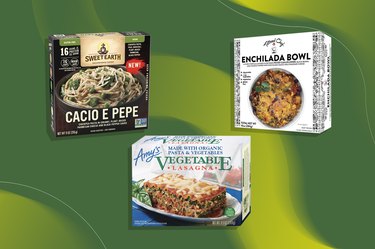
The more natural and fresh your foods are, the better they are for your body. One of the important goals of improving platelet production through diet is to reduce your intake of sugars and fats. Canned foods--particularly canned fruits--can be high in both of these. Foods that are canned or frozen also feature a reduced nutritional value. You should also avoid foods that have been treated with chemical sprays like pesticide and herbicide, as these may worsen some autoimmune diseases and decrease your platelet count, according to the PDSA. The additives and preservatives found in processed foods also can increase the presence of free radicals in your blood, which can hamper platelet production.
Limited Protein
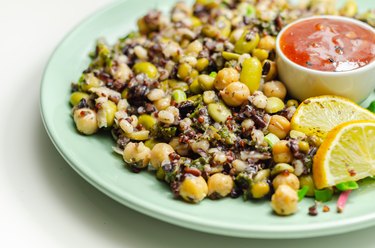
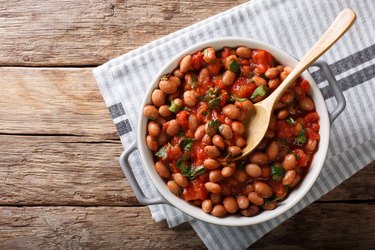
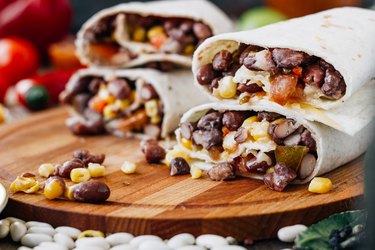
Many meats can be littered with chemical treatments such as antibiotics, which can promote free radicals in the blood. Meat should be consumed sparingly, and if possible, you should stick to lean, low-fat meats such as fish. Beans and nuts are effective sources of protein that can be used as a replacement for meat.


