
























Like most infections, acne pus is a simple infection caused by overproduction of a certain type of bacteria that thrive on your skin's natural oils. Propionibacterium acnes is similar to other anaerobic bacteria that cause bad smells in our bodies, including bad breath, stomach odors, vaginal discharges, feces or gangrenous infections. There are ways to treat, heal and prevent foul-smelling, pus-filled acne breakouts.
Acne Bacteria
Propionibacterium acnes, a type of bacteria living in your skin follicles, causes most forms of acne. Sebaceous glands in the follicles produce sebum, a natural moisturizer, which this bacteria feeds on for growth. Your body sends extra white blood cells to fight the bacteria, causing the follicle's walls to break open and trap bacteria in the middle skin layer. Your body triggers an inflammatory response to flush the infection from your skin, resulting in pus-filled bumps or pustules.
Bacteria Odors
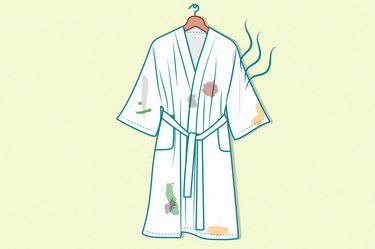
Many forms of bacteria produce odors as they grow. This causes body odors in the mouth, throat, armpits, genitals, belly buttons or other pus-like infections, including acne. The most common culprits are anaerobic bacteria, which grow best with no oxygen. Anaerobic bacteria make Volatile Sulfur Compounds, VSCs, that smell like rotten eggs or dead vegetation. Because Propionibacterium acnes is an anaerobic bacteria, it grows quickest when the pores are clogged, blocking oxygen and light inside the hair follicles.
Acne Types
Papules are solid red bumps. Comedones are small bumps with black or white heads and occur when sebum gets trapped in the follicle beneath dead skin cells. Cystic acne is the most inflamed, severe forms of acne, characterized by large, pus-filled bumps that often lead to facial scars.
Teen Acne
Teens and young adults often have higher sebum production as their androgens hormones fluctuate, so they have more Propionibacterium acnes living in their skin follicles. Most adults regain normal sebum levels after age 20. People naturally have varying levels of the bacteria, so even after adolescence, people with higher levels of this bacteria in their skin continue to struggle with acne.
Healing Pustules
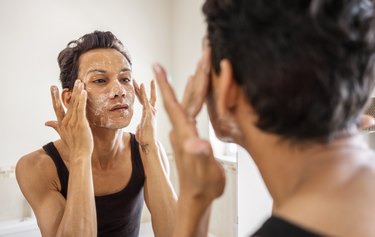
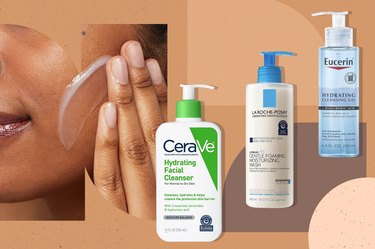
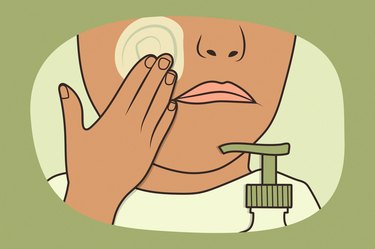
Choose a facial cleanser with salicylic acid or benzoyl peroxide. Test a small area of skin for irritation before washing your entire face. Use medicated spot-treatment creams on the infected follicles. Wash your hands frequently and avoid touching your face, which spreads bacteria and causes more infected pores. This can lead to more pus and more odor.
Prevention/Solution
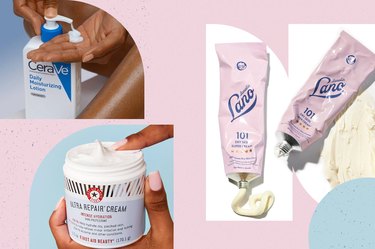
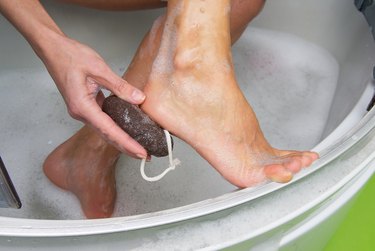
Gentle exfoliation, with a soft washcloth or loofah, removes dead skin cells from the skin's surface before they clog follicles. Use an oil-free moisturizer every day. Often, people with oily skin skip the moisturizer, but this may cause your skin to create more oil. Moisturizing daily allows your skin to slow its sebum production. Also, don't wash your face more than twice a day, or you might trigger increased sebum production from over-drying.
Warning
Popping acne pustules by squeezing until the smelly pus erupts through the pore can cause scarring or permanent red marks on the skin. It also spreads acne bacteria to other pores, leading to future acne pustules. Corticosteroid acne, which has foul smelling, pus-filled bumps, is a common side effect of steroid use in young men and women.


