






























4 Ways to Reduce Stress to Prevent a Stroke

1. Strive for Simplicity

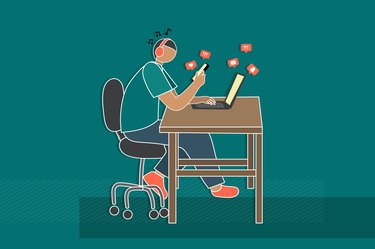
Stress is among the risk factors for stroke, and though it doesn't rank as high as hypertension, high cholesterol and diabetes, there is no doubt that it can take a toll on your health. When you are experiencing life stress, you may liken your life to a ride that is out of control. Meanwhile, you're seated in the passenger's seat, unable to influence the outcome. While it's not possible to control all of life's events, it is up to you to set priorities, manage what you can and say no sometimes.

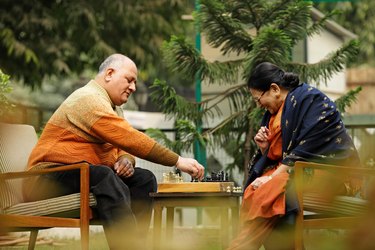
When you are setting your schedule for the next week or month, create a list with three columns. At the top of the first, write "Must Do Today." The top of the second column should say "Do ASAP" and the third, "These Can Wait." Be ruthless about categorizing your to-do list. If you see that your list is too long to be completed today, you'll have to rearrange it. Make sure you include "spending time with family and friends" on your list as well. When you strive to simplify your life, it's important to make time to nurture the relationships that provide you with support.

2. Get Your Body Moving

Exercise benefits both your body and mind by keeping you fit and mitigating the stress that can exacerbate illness and mental burnout. When you increase your heart rate and exert your muscles, you'll trigger a release of endorphin chemicals that are responsible for feelings of content and well-being. As if that isn't enough, you'll also increase blood flow to the brain, improve your concentration and keep conditions like hypertension and obesity at bay. This is especially important since high blood pressure, weight gain and high cholesterol put you at greater risk for a stroke and a myriad of other health problems. Try combining cardiovascular work with weight training for a well-rounded exercise regimen.

Consider using yoga, Pilates and Tai Chi to round out your fitness regimen. These programs were designed to improve flexibility, core strength and balance, along with helping establish a mind-body connection. When you improve your fitness and get in touch with your body, you'll also be more likely to notice symptoms of illness and conditions like stroke.

3. Enjoy Meditation, Prayer and Deep Breathing

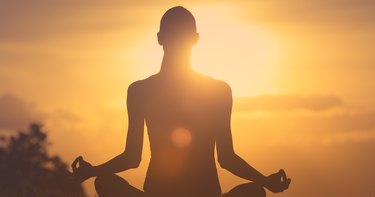
Studies indicate that during meditation and prayer, the brain emits slow, electrical impulses called alpha waves, which accompany a relaxed, wakeful state. This state is therapeutic for your body and mind, causing physiologic changes like lowered heart rate, improved circulation and reduced muscle tension. In addition to the physical and mental benefits that prayer and meditation can bring, it may also increase your spirituality, allowing you to connect with your personal faith and achieve a sense of calm.

If you're not a spiritual person, try some deep breathing exercises instead. Take deep, cleansing breaths in through your nose, hold them for several seconds and forcibly exhale through your mouth, emptying the lungs of air. Imagine stress and tension leaving your body with your breath, repeating the exercise as you strive for a sense of tranquility.

4. Make Time for Sleep

In a society that prides itself on productivity, it's easy to forget that your body needs rest. Adequate sleep improves brain function and helps to maintain the insulin sensitivity that staves off hypertension and diabetes--two precursors of stroke. If you're an insomniac, take steps to improve your sleep by keeping your room cool, sufficiently dark and furnished with a supportive mattress. Quiet your body by unwinding with mellow activities before going to sleep, and avoid caffeine and other stimulants after lunch.

Last updated on: Nov 18, 2009

Must see: Photo Galleries