





























Heartburn, also known as acid indigestion, is a burning sensation in the esophagus and chest, according to the Mayo Clinic. It occurs when stomach acid rises into the esophagus and can cause intense pain. Frequent heartburn can be a sign of gastroesophageal reflux disease, or GERD, a digestive disorder that can cause serious health problems. Avoiding certain foods and eating others can help prevent heartburn and ease symptoms of GERD.
Low-Fat Foods
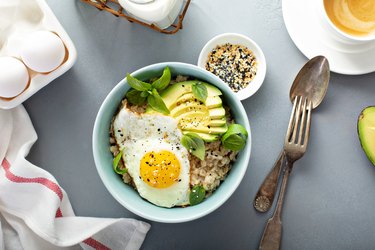
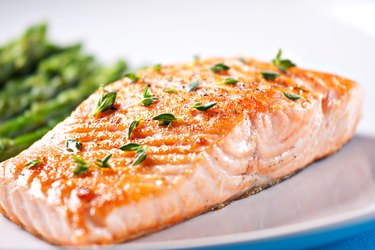
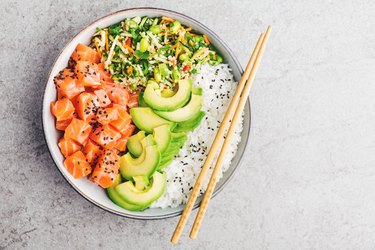
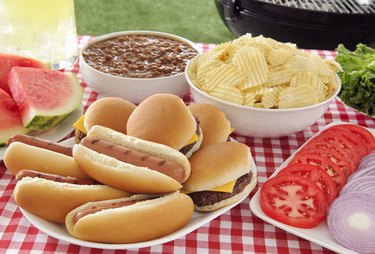
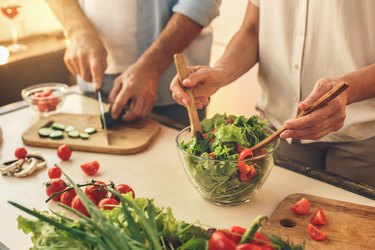
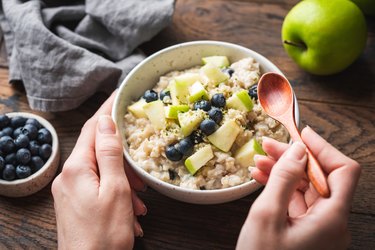
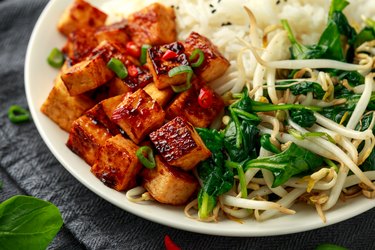
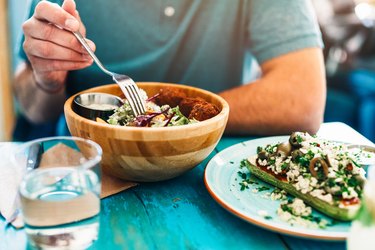
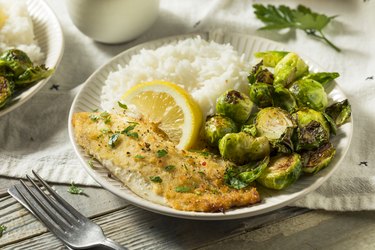
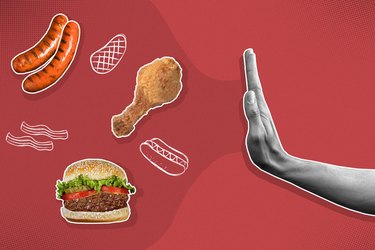
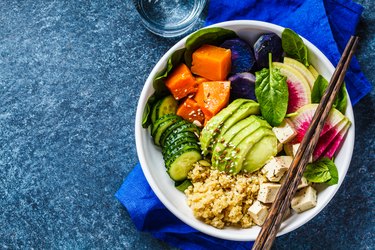
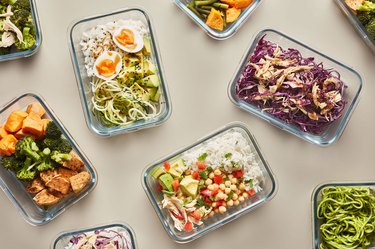
Individuals with heartburn should focus on consuming naturally low-fat foods, such as fruits, vegetables, whole grains, lean proteins and low-fat dairy products. Fatty foods can cause heartburn and are high in calories. Excessive consumption of fat and calories can lead to weight gain and obesity, risk factors for heartburn and GERD. Individuals can reduce dietary fat by removing fat and skin from meat and poultry, avoiding deep-fried foods, cooking via healthy methods such as grilling, roasting, poaching, steaming and broiling, and eating more fresh foods and less processed and fast foods.
Fiber-Rich Foods
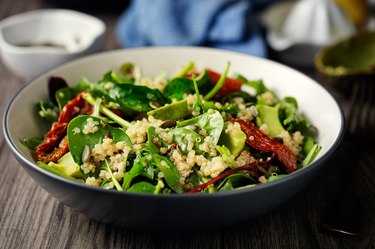
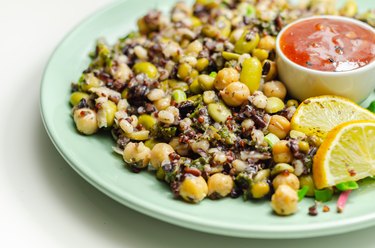
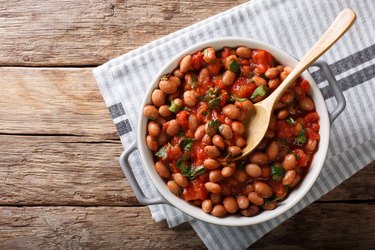
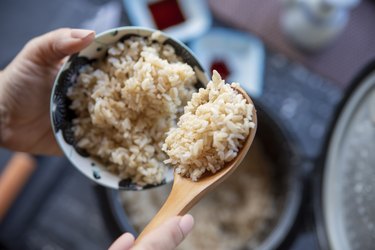
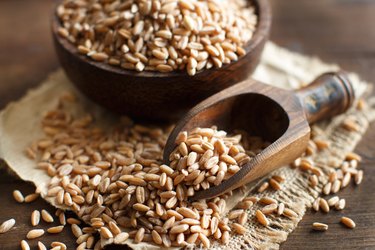
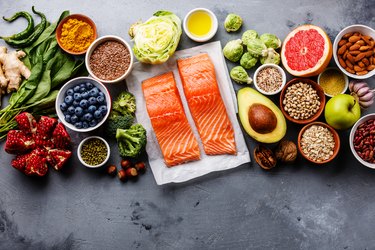
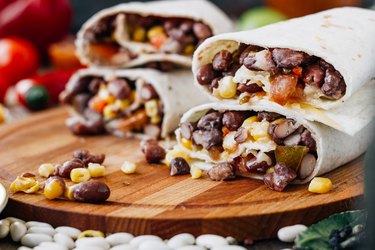
According to a study published in the January 2005 issue of "Gut", a high-fiber diet reduces the risk of heartburn and GERD symptoms. High-fiber foods include fruits, vegetables, whole grains, beans and legumes. In addition to benefiting digestive health, fiber-rich foods also support heart health and promote satiety which can prevent overeating and subsequent weight gain.
Non-acidic Foods
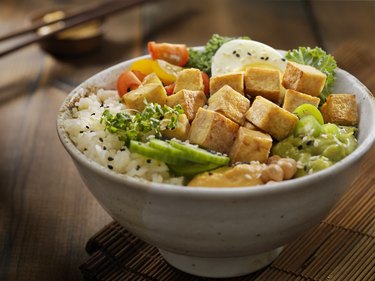
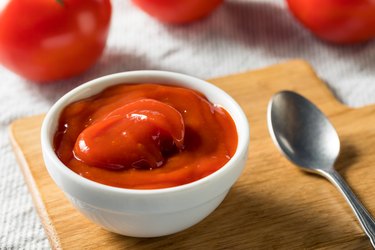
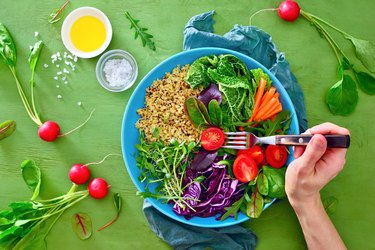
Acidic foods like citrus and tomato products can increase heartburn because they are harder to digest, states the University of Maryland Medical Center. Nutrient-dense, low-acid foods include vegetables, lean proteins, low-fat dairy products, whole grains, nuts, seeds, beans and legumes.
Beverages
Beverages that will ease heartburn and prevent symptoms of GERD include non-citrus juices, non-alcoholic beverages, water, sports drinks and tea. The Mayo Clinic recommends individuals with heartburn avoid coffee, alcohol, carbonated beverages and tomato juice.
References
- Mayo Clinic: Heartburn
- "Gut"; Dietary Intake and the Risk of Gastro-oesophageal Reflux Disease: A Cross Sectional Study in Volunteers; H.B. El-Serag; January 2005
- University of Maryland Medical Center: Heartburn
- U.S. National Library of Medicine and National Institutes of Health: Heartburn
- National Digestive Diseases Information Clearinghouse: Heartburn, Gastroesophageal Reflux (GER), and Gastroesophageal Reflux Disease (GERD)


Member Comments