







































They may share the same name, but the medicinal herb plantain bears no relation to the banana-like fruits known as plantains. You've probably seen the decidedly nonexotic plantain herb in meadows and along roadsides, perhaps even resenting the persistent "weed" in your lawn. Yet many herbalists consider plantain a crucial healing plant, especially for skin conditions. Consider gathering plantain for your own homemade remedies, or ask for it in dried form at a health food store.
Description
Look for plantain in sunny fields and along roads and sidewalks. Two types are common in most of the United States--common plantain, Plantago major, and English plantain, Plantago lanceolata. Both feature rosettes of broad, oval leaves with veins that run parallel from base to tip. Common plantain's leaves stay closer to the ground, while those of English plantain grow more upright. In late summer English plantain throws up distinctive brown-spiked flower heads. Plantago ovata grows in the southwest.
Skin Care
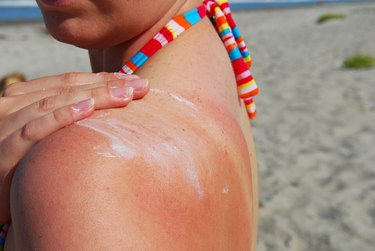
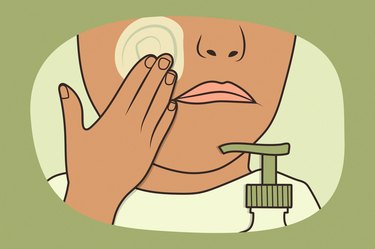
Plantain acts as an astringent, helping to treat and clear rashes, bug bites, chapped skin and other bodily infections, such as conjunctivitis, or pink eye. The University of Maryland Medical Center recommends using plantain on insect bites and stings, while a New York Times "Personal Health" column notes that simply rubbing shredded or mashed plantain leaves on skin infected with poison ivy may help clear up the rash and ease itching.
Digestive Care
The seed husks of one variety of plantain, Plantago ovata, forms the basis of products containing the seed heads, commonly referred to as psyllium. These high-fiber cereals and supplements contribute to health by promoting regularity and lowering cholesterol slightly, according to Medline Plus.
Herbal Skin Salve
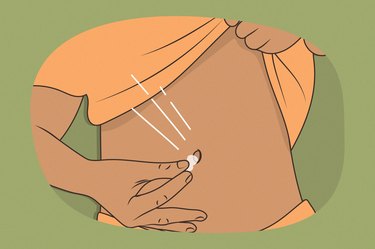
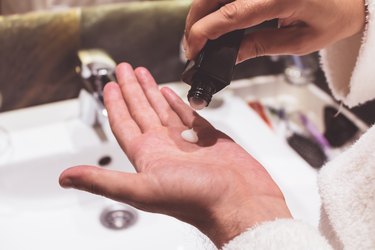
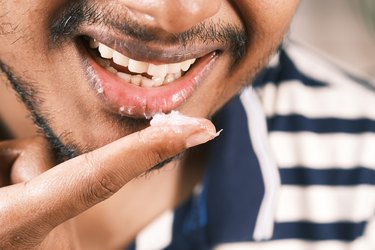
Use a plantain-based salve or lotion to treat a variety of skin problems, advises herbalist Sarah Powell in "Herb Companion" magazine. Powell's method begins by infusing olive, sweet almond or grapeseed oil with plantain leaves for at least two weeks. If you'd like, add other skin-healing herbs, such as chickweed or violet leaf.
To prepare the salve, combine 1 cup of the plantain-infused oil with 1 oz. grated beeswax, 1 tsp. vitamin E and an optional 1 tsp. rosemary oil extract. Gently heat the ingredients in a double boiler, remove from heat and, if desired, add up to 30 drops of combined lavender and tea tree oils. Pour into tins or jars and cover securely.
Eye Compress
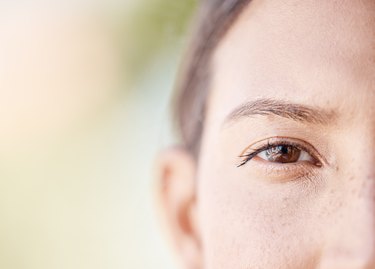
UMMC suggests a plantain compress as a herbal component of treating conjunctivitis. Prepare the eye compress by adding 1 tsp. fresh plantain leaves, chopped or mashed, to 1 cup boiling water. Steep for 5 minutes, strain and let cool. Soak gauze or cotton balls in the solution, and apply to closed eyes for 10 minutes several times a day. If you wish, combine the plantain with infection-fighting chamomile, eyebright or fennel seed.
References
- "Identifying and Harvesting Edible and Medicinal Herbs"; Steve Brill; 1994
- University of Maryland Medical Center: Insect Bites and Stings
- New York Times; "Personal Health"; June 24, 1992
- Medline Plus: Psyllium
- University of Maryland Medical Center:


Member Comments