














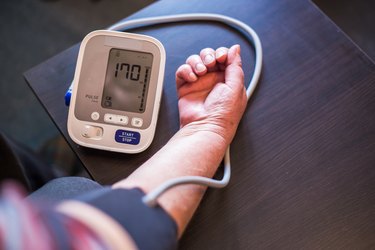

























































Atrial fibrillation is a condition in which the the atria, which are the top two chambers of the heart, beat erratically. The purpose of the atria is to propel blood into the ventricles, which pump blood to the lungs for oxygenation and also pump oxygenated blood throughout the body. Ablation is a surgical procedure which can be used to to treat atrial fibrillation.
Physiology
The contraction of the heart muscle is controlled by electrical signals. Normally, these signals are controlled by a small piece of cardiac tissue called the sinoatrial node, explains the Cleveland Clinic. This node periodically releases bursts of electricity which trigger the beating of the heart. Patients with atrial fibrillation, however, have multiple chaotic bursts of electricity in their atria. This causes the atria to contract rapidly and with little control, making it difficult for the muscles to effectively propel blood into the ventricles responsible for pumping blood out into the entire body.
Ablation
Ablation treatment for atrial fibrillation attempts to disconnect the parts of the heart that are causing the aberrant electrical activity from the rest of the heart tissue. The unusual electrical impulses are often started by the pulmonary veins, notes the Heart Care Centers of Illinois. Cardiac ablation can treat atrial fibrillation by positioning a thin wire into the heart in a space very near these veins. Radio signals are then sent through the wire to generate heat, which kills a small amount of tissue between the pulmonary veins and the rest of the heart. This dead tissue will not conduct electricity, which means that the chaotic electrical impulses will not affect the rest of the heart.
Procedure
Patients receiving ablation therapy for atrial fibrillation are given a sedative and a numbing agent where the catheter will be inserted. Patients are injected with a dye that allows the physician to see the blood vessels on an X-ray. The catheter is then threaded up through the veins until it is correctly positioned inside of the heart. The necessary tissue is then ablated and the catheter is withdrawn. According to the Mayo Clinic, the procedure takes between three and six hours, on average. Patients are then taken to a recovery room for four to six hours, and may be able to go home at the end of the day.
Risks
There are a number of risks associated with cardiac ablation. In order to gain access to the heart, a doctor needs to thread a wire, also known as a catheter, up through a patient's veins. This can lead to bleeding from the area where the catheter is inserted into the circulatory system. The catheter can also damage blood vessels or puncture the heart. The ablation can sometimes impair the ability of the heart to conduct electricity; the patient will then need a pacemaker implanted to fix this defect. The procedure can also cause blood clots to form. Because cardiac ablation uses a special dye to make it easier for doctors to position the catheter, the kidneys can also become damaged as they process and excrete the dye.
Results
Although ablation is generally successful in treating atrial fibrillation, some patients may need multiple procedures to fully treat their atrial fibrillation. In addition, the Mayo Clinic notes that patients often need to take medications for the rest of their lives to help keep their heart beating normally. Doctors also recommend lifestyle changes that help ease the strain on the heart, such as decreasing salt intake, staying physically active, and avoiding caffeine, nicotine and alcohol. These measures help lower a patient's blood pressure, which is critical because high blood pressure can aggravate atrial fibrillation.


