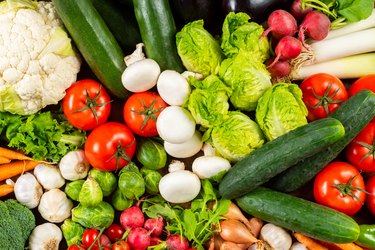
If you have a buildup of plaque in your arteries, also known as atherosclerosis, you may be looking for ways to reverse or manage it. The good news is that you may be able to do just that, if you are willing to switch to a plant-based diet.
Video of the Day
Video of the Day
Reverse Heart Disease
Atherosclerosis is the buildup of plaque inside your arteries. Because arteries supply oxygen-rich blood to your body, plaque buildup that slows down or blocks blood flow through your arteries can cause conditions like heart attack, stroke and kidney disease. Plaque is made up of fat, calcium, cholesterol and other deposits that travel through your blood. Over time, plaque causes stiffening and narrowing of your arteries, says the National Heart, Lung, and Blood Institute (NHLBI).
A review published in May 2018 in the journal Progress in Cardiovascular Diseases found that a plant-based diet can help reverse atherosclerosis and reduce a person's risk of heart attack and stroke. The review found that eating this way can lower the risk of death from cardiovascular disease by 40 percent and reduce the risk of coronary heart disease by the same rate.
"The idea that you can reverse atherosclerosis with a plant-based diet has been around for a long time. These diets are a big lifestyle change for most people, and it is important to remember that other lifestyle changes like exercise are needed along with diet changes," says Donald Ford, MD, MPH, a family medicine physician at the Cleveland Clinic, Mayfield Heights, Ohio.
Neither the NHLBI nor the American Heart Association (AHA) goes so far as to recommend a strict vegetarian diet to reverse atherosclerosis, although they both say that less meat in your diet will reduce your risk for heart attack and stroke. The AHA says you can also get benefits from eating less meat. A plant-based vegan diet eliminates all animal proteins including meat, fish, eggs and dairy.
While the AHA endorses a mostly plant-based diet, it also cautions that it should include enough protein, and that not all plant-based diets are healthy. Plant foods can be highly processed and full of salt and sugar. To get heart-health benefits, you need nutrient-rich fruits, vegetables and whole grains.
What About the Mediterranean Diet?
If a totally plant-based diet is too drastic a change for you, you could consider the Mediterranean diet. "I am a big proponent of the Mediterranean diet. It may be the best option for many people," Dr. Ford says.
According to Harvard Health Publishing, the Mediterranean diet has been shown to reduce heart disease along with diabetes and certain cancers. Basics of this diet include:
- Lots of fresh fruits, vegetables and whole grains.
- Nuts and legumes.
- Olive oil.
- Cheese and yogurt in moderate amounts.
- Fish and poultry a few times per week.
- Limited amounts of red meat.
- Limited amounts of added sugar.
- A glass of wine with dinner.
The Mediterranean diet is very similar to the diet recommended by NHLBI to lower your risk of atherosclerosis or help manage the disease. The NHLBI says to eat fruits, vegetables, whole grains, lean meats and seafood. Avoid salt, red meat, solid fats, added sugar and refined grains. NHLBI also says an emerging risk for atherosclerosis is heavy drinking of alcohol. Men should have no more than two drinks per day, while women should limit their daily intake to one drink.
Other suggestions from Harvard Health are to use olive oil for cooking and salad dressing, eat more nuts and olives, add a whole grain bread to your meal and begin or end your meal with a salad. The Mediterranean diet is all about fresh and unprocessed foods, so try to get locally grown and seasonal foods.
"No matter what diet you choose, make sure you include all the other healthy lifestyle changes that have been shown to reduce your risk for and from atherosclerosis. If you want to make any big diet changes, check with your doctor about how to do it safely," Dr. Ford says.
The NHLBI says these are the other lifestyle changes you need for atherosclerosis:
- Get more physical activity.
- Stop smoking.
- Maintain a healthy weight.
- Reduce your stress.
- Progress in Cardiovascular Diseases: “Vegetarian Dietary Patterns and Cardiovascular Disease”
- National Heart, Lung, and Blood Institute: “Atherosclerosis”
- Donald Ford, MD, MPH, Family Medicine, Cleveland Clinic, Mayfield Heights, Ohio
- American Heart Association: “How Does Plant-Forward (Plant-Based) Eating Benefit your Health?”
- Harvard Medical School: “A Practical Guide to the Mediterranean Diet”
- AHA: "Eating More Plant-Based Foods May Be Linked to Better Heart Health"
Is this an emergency? If you are experiencing serious medical symptoms, please see the National Library of Medicine’s list of signs you need emergency medical attention or call 911.