



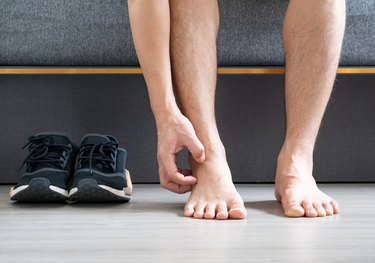



















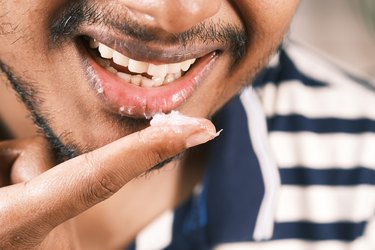
Warts are noncancerous skin growths on the top layer of skin caused by the human papillomavirus, or HPV. According to MayoClinic.com, the virus causes rapid reproduction of cells on the skin's surface. Warts often require no treatment; however, many people remove the growths for cosmetic purposes. Occasionally warts overdevelop, itch or cause pain. Several different types of warts exist, including plantar warts, flat warts and genital warts. Self-treatment should never be performed on warts located on the genital area or face.
Step 1
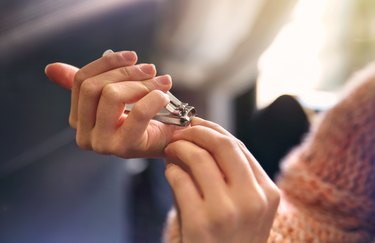
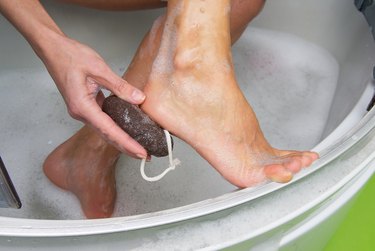
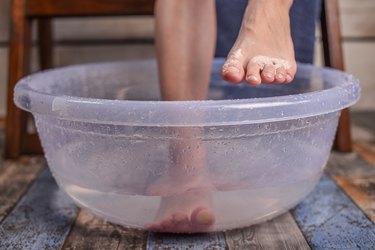
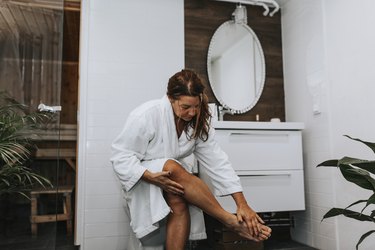
Moisten the wart or soak in water for 10 to 20 minutes until the wart is damp, advises MayoClinic.com. File down the wart with light pressure using a nail file or pumice stone. Medline Plus recommends filing after a bath or shower. Only apply a small amount of pressure; the goal is to shed away the top layers of the wart over several weeks.
Step 2
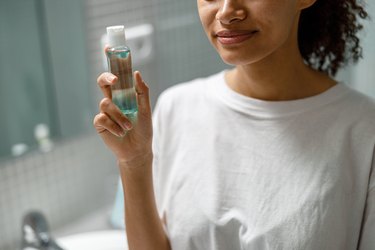
Apply over-the-counter medications to remove warts. Look for wart removal products containing 17 percent salicylic acid, advises the Mayo Clinic. Add the medication to the wart for several weeks, avoiding contact with surrounding skin. Medications come in liquid solutions or small patches. Or you may wish to consult a medical professional to provide treatment on warts to avoid complications.
Step 3
Cover the area with duct tape, advises MayoClinic.com. The clinic reports some studies claim duct tape is more effective than using cryotherapy, or freezing of the wart for removal using liquid nitrogen. Using duct tape in combination with over-the-counter medications may remove a wart quicker from the skin.
Continue to apply wart medication until the wart falls off in several weeks. Without treatment, a wart can stay intact on the skin's surface for about two years.
Step 4
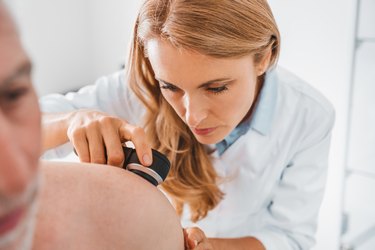
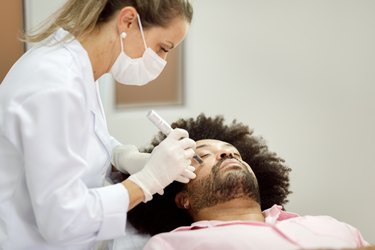
Discuss medical solutions with your doctor if the wart continues to grow or is difficult to remove. Additional treatments include using stronger, prescription-strength salicylic acid or cryotherapy. Cryotherapy is more painful and often requires several office visits, according to the McKinley Health Center at the University of Illinois.
Things You'll Need
- Water
- Nail file
- Pumice stone
- Over-the-counter medications containing salicylic acid
- Duct tape


