





























































Hepatitis C is a blood-borne infection that causes inflammation of the liver. The condition is chronic, leading to compromised liver function, liver cirrhosis and liver cancer. The Arizona Department of Health Services (ADHS) states that roughly 4.1 million U.S. citizens are afflicted with the disease. Besides the notable jaundice, or yellowing of the skin and eyes, the symptoms are rather vague and include fatigue, weakness and loss of appetite and weight. Alternative treatments are of interest, as conventional solutions are limited and sustain long-term effectiveness in only half of disease sufferers.
Diet
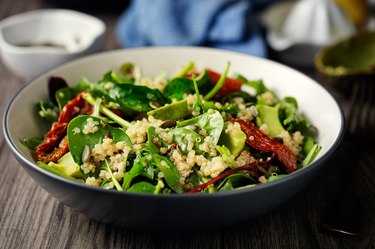
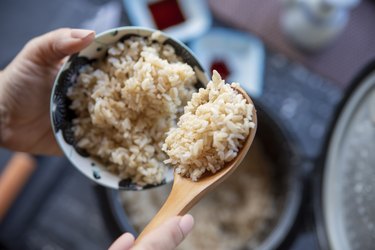
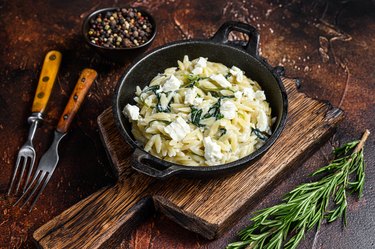
The liver is a very important accessory organ to the digestive process. Before nutrients are circulated around the body to be used by the cells, the blood first transports them to the liver. University of Arizona nutritionist Jennifer Muir Bowers, MS, RD, writes that hepatitis patients require a lot of calories because of the liver's important role in energy production. She suggests that foods be high-quality, nutritionally balanced and in the style and serving sizes outlined by the food pyramid.
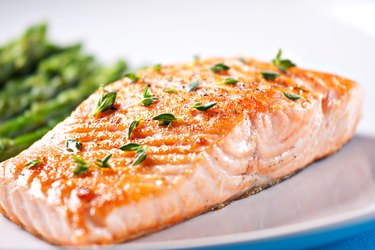
Additionally, Bowers notes that protein intake is important in hepatitis patients. Although recommended levels are comparable to the normal population, lean, low-saturated fat protein foods are emphasized. Lastly, Bowers recommends that alcohol be avoided.
Licorice Root
Licorice is the common name for the herb Glycyrrhiza glabra. Its active ingredient, glycyrrhizin, is well-documented, according to naturopathic physician Joseph Pizzorno, Jr, ND, author of "The Clinician's Handbook of Natural Medicine." The beneficial effects of licorice in the treatment of hepatitis include providing protection from substances toxic to the liver, enhancing the immune system, killing viruses and improving the effectiveness of the conventional hepatitis C drug interferon.
While licorice appears very beneficial for this disease, doses greater than 3 grams per day for more than six weeks at a time can cause sodium and water retention, reduce potassium levels and worsen hypertension. It should be avoided in people with a history of hypertension, kidney failure or past use of the drug digitalis and some types of diuretics.
Milk thistle
Milk thistle boasts the antioxidant and liver-protecting active ingredient silymarin. Milk thistle, according to Pizzorno, additionally acts as an anti-inflammatory and stimulates liver regeneration. Milk thistle is found to be helpful in both acute and chronic forms of the disease and has reversed damaged liver tissue. By reversing the damage, milk thistle reduces the clinical indicators of liver function, also known as liver enzymes. Taking 140 to 210 mgs of milk thistle three times per day is noted as being the most effective, and its low toxicity allows for long-term use.
Thymus Extract
The thymus gland, which degenerates with age, is very large until the age of 11 or so and sits in front of the heart tissue. This gland is part of the immune system, producing cells known as T-lymphocytes. It decreases liver enzymes and promotes remission of the chronic damage.
Interestingly, a synthetic form of thymus extract has been used as triple combination therapy in the conventional treatment of hepatitis C. The 2007 "Gut and Liver" journal article notes that the combination of the synthetic thymus extract with interferon and an antiviral drug worked better than the combination without it.
References
- Arizona Department of Health Services: Hepatitis Program -- Data and Statistics
- "The Clinician's Handbook of Natural Medicine"; Joseph Pizzorno, Jr.; 2002
- Gut and Liver: "Thymosin Alpha-1 in Combination with Pegylated Interferon and Ribavirin in Chronic Hepatitis C Patients Who have Failed to Prior Pegylated Interferon and Ribavirin Treatment"
- University of Arizona: "Nutrition and Hepatitis C Virus Infection"


