






























































Niacin is an essential nutritional element some know as vitamin B3. Medically, niacin has wide use. It is considered a treatment for high cholesterol, pellagra, atherosclerosis, macular degeneration and Alzheimer’s disease. Niacin also has an impact on the skin. In gel form, it is used to treat acne and has links to anti-aging and skin rejuvenation. According to the National Center for Biotechnology (NCBI), when amide molecules attach to the base unit of niacin, nicotinic acid, it becomes more water-soluble and carries the name niacinamide. Topical compounds, such as gels, use the niacinamide formula. The product is readily available and easy to integrate into a daily skin routine.
Step 1
Clean your face or any area of skin that you wish to treat. Use warm water and a mild cleanser. Pat the area dry with a clean towel.
Step 2
Apply a thin line of niacinamide across the fingertips of one hand. Smooth the niacinamide over skin, covering the surface area. Application of this product should be thin. Do not over saturate the area.
Step 3
Wash your hands to remove any traces of the niacinamide.
Step 4
Moisturize the area once the niacinamide dries. A gel form of this product may dry out the skin. Moisturizing with a lotion or cream will help counteract the drying effect of the medicine.
Step 5
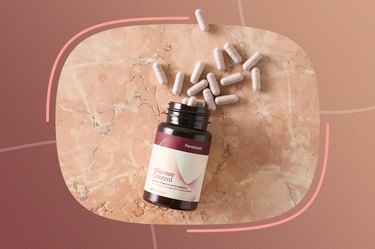
Increase the niacin in your diet. Niacin is a nutritional agent in a number of foods. Check labels for B3, niacin, niacinamide or nicotinic acid. Some foods to consider are lean, red meat, fish, almonds, wheat products, beans and green, leafy vegetables. You can also take niacinamide as a capsule supplement.
Tips and Warnings
- As an alternative, try mixing some niacinamide powder into your moisturizing lotion. You may also purchase skin care products already rich in niacinamide. Gel or cream formulas containing niacinamide can be found in many acne healing products. Check labels for niacinamide, vitamin B3 or nicotinic acid.
- Do not take niacin as a supplement if you are allergic to nicotinic acid or if breast-feeding. Drugs.com states those with liver or kidney disease, heart disease, angina, stomach ulcers, diabetes, gout or myasthenia gravis should not take niacin or use topical niacinamide unless instructed by a physician. If taking medication for any reason, consult a health care professional before using either product. Oral niacin can produce skin flushing that affects the face, neck and ears. This side effect is generally mild.
Things You'll Need
- Warm water
- Cleanser
- Towel
- Niacinamide gel or cream
- Moisturizing lotion
References
- Nutritional Supplements Health Guide: Healthy Foods Containing Niacin
- Drugs.com: Niacinamide Gel
- Smart Skin Care.com: Niacinamide: Can you teach an old vitamin new skin care tricks?
- MayoClinic.com: Niacin (vitamin B3, nicotinic acid), Niacinamide
- National Center for Biotechnology (NCBI): Niacinamide - Compound Summary


Member Comments