




































































Overtraining & Heart Rate

Overtraining & Heart Rate
Photo Credit runner's legs image by jimcox40 from Fotolia.com

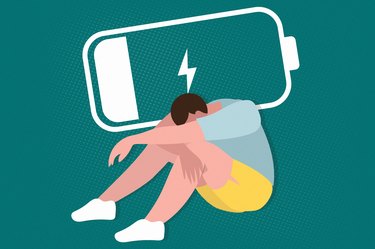
Exercise improves your health, daily functioning and sports performance. But too much exercise can actually defeat these goals. Tracking your heart rate can help you determine if you are overtraining. Learn to recognize the symptoms so that you do not put yourself at risk of injury and poor performance.

Significance

Athletes who overtrain are at greater risk of injury and illness. Too much exercise makes the body vulnerable to respiratory infections and the flu. Women may experience irregular menses or lose their periods altogether. The website EXRX.net notes that 10 to 20 percent of athletes experience overtraining that eventually impairs their ability to train and their overall performance.

Heart Rate Symptoms

According to Dr. Mark Jenkins of Rice University, there are two forms of overtraining syndrome: the sympathetic and parasympathetic forms. Most common in sprint-type athletes, the sympathetic form affects your heart rate by elevating it in normal conditions. You will notice your resting heart rate is higher than your normal base line. When you exercise, you experience a higher spike in your heart rate during moderate exercise and find it harder to get your heart rate to return to normal after a training routine.

The parasympathetic form is more common in endurance athletes and actually manifests in a significantly decreased resting heart rate. In workouts, your heart rate has trouble elevating despite hard workloads and returns to normal more quickly than usual.

Considerations

Along with the heart rate symptoms, both types of overtraining manifest through decreased reaction times, lower endurance and reduced speeds when training. Moodiness and irritability often result. Overtrained individuals often feel fatigued and have what the American Council on Exercise refers to as “heavy legs.” Almost constant soreness, restless sleep, loss of appetite and feelings that every workout is hard also indicate overtraining.

Measuring

To use your resting heart rate to determine overtraining syndrome, you must first determine your healthy baseline. Measure your pulse at your wrist or neck first thing in the morning, before you get out of bed. Do this for several days--the average is your baseline. If you feel tfatigued and sore and your morning heart rate is 5 percent greater than your base, scale back on your workout for the day. If your heart rate in the morning is greater than 10 percent above base, take a day or two of rest, recommends EXRX.net.

Prevention and Solution

The best way to overcome overtraining is to train intelligently. Give yourself adequate rest times between workouts and amp up workloads gradually. If you focus on a specific discipline, cross train to challenge other muscles on a regular basis. Wearing a heart rate monitor during workouts can help you recognize irregularities before they become chronic. If you are already in a state of overtraining, resting for a few days or in very severe cases, weeks, is required.

References

Article reviewed by MER Last updated on: Jun 30, 2010

Must see: Photo Galleries

Member Comments