


















































How to Get Rid of Ringworm

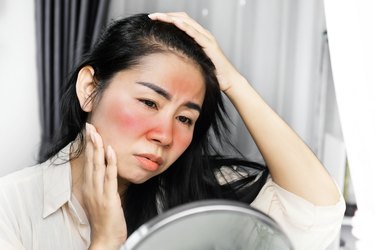
Invading parasites do not cause ringworm; rather, a fungus causes the skin condition. MedlinePlus says ringworm may affect different parts of the body, including the skin, scalp, groin area and feet. Symptoms of ringworm on the skin include a round red rash with healthy skin in its center as well as itching and scaly patches. The skin may appear unusually light or dark in coloration. Treatment may take several weeks.

Step 1

Ensure the skin condition is ringworm by visiting your primary care doctor if you are uncertain. Ask the doctor to examine the skin area. A blue ultraviolet light, also known as a Wood's lamp, is held about 4 to 5 inches above the skin's infected areas while you sit in a dark room. The medical doctor will look for changes in skin coloration using the light, indicating the presence of a fungal infection. No preparation is needed for the exam, and you will feel nothing during the performance of the test, according to MedlinePlus.

Step 2

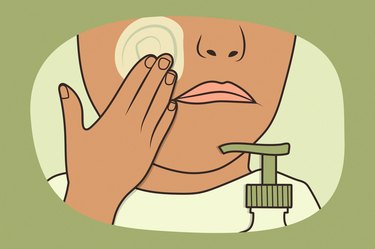
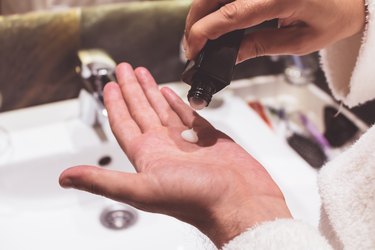
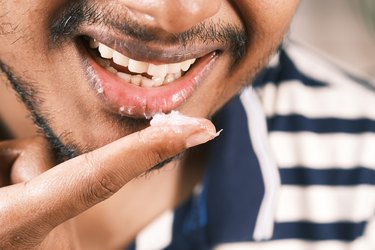
Apply over-the-counter antifungal medications, suggests MayoClinic.com. Wash the skin and pat dry with a clean towel. Look for drugs at your local pharmacy or grocery store containing clotrimazole, terbinafine or tolnaftate as the main ingredient. The Mayo Clinic advises patients to massage the topical medication onto clean skin once or twice a day for two weeks.

Step 3

Seek additional medical advice if the ringworm does not improve within four weeks of over-the-counter medication treatment. Consider prescription-strength topical agents such as butenafine, ciclopirox, econazole and terbinafine. Oral prescription-strength medications may be recommended by your doctor, such as itraconazole, fluconazole and terbinafine. Be aware of side effects of some oral medications, including upset stomach, rash and liver dysfunction. Understand that ringworm often clears up after oral medication is started. Continuing oral medications as prescribed is critical---never stop taking medications or change doses. Failure to follow prescription instructions may cause the ringworm to return or not fully heal.

Step 4

Always keep skin clean and dry. Pat skin dry after bathing or use a hair dryer on cool setting to dry skin. Focus especially on areas between the toes, groin area and the armpit area. Change bed sheets and pillow covers nightly while fighting the infection. Wear loose-fitting and comfortable clothes when suffering from ringworm.

Tips and Warnings

  • Antifungal oral medications are required if ringworm is present on the scalp, according to MayoClinic.com
  • Oral medications for ringworm may affect anticoagulant medications such as warfarin.

Things You'll Need

  • Over-the-counter antifungal medications
  • Clean towel
  • Prescription-strength topical or oral medications
  • Hair dryer
  • Clean bed sheets and pillows
  • Loose clothing

References

Article reviewed by OmahaTyppo Last updated on: Jul 1, 2010

Must see: Photo Galleries