

























































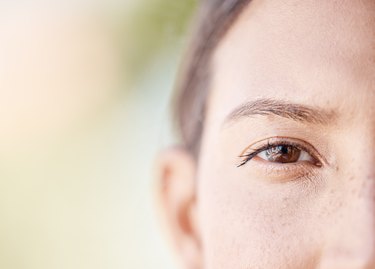

Itchy Eyelash Follicles

Itchy Eyelash Follicles
Photo Credit woman close-up eye eyelashes image by Anatoly Tiplyashin from Fotolia.com

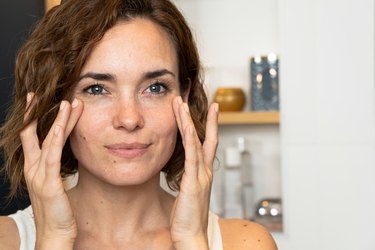
Itchy, irritated eyelids at the point where the lid and eyelash meet is characteristic of a skin condition called blepharitis. People who have dandruff, oily skin or dry eyes are prone to blepharitis, according to the University of Michigan Kellogg Eye Center. Blepharitis can result in minor itching and inflammation, but it can also be quite serious, affecting the cornea and other parts of the eye.

What Causes Itchy Eyelashes and Blepharitis

Bacteria are the underlying cause of blepharitis, states the University of Michigan Kellogg Eye Center. These are ever-present on your skin, but in some people, bacteria seem to thrive at the eyelash base. Skin irritation, combined with overactive oil glands, make dandruff-like crusts form along the lash line and margins of the lids.

Other Symptoms of Blepharitis

Itchy eyelashes are only one indicator that you may have blepharitis. According to the MayoClinic.Com, accompanying symptoms may include red and/or watering eyes, greasy eyelids, redness and swelling and light sensitivity. Your eyelashes may be crusted together when you wake up, and sometimes they may even fall out or grow in at odd directions. You may also feel as though there's something in your eyes. Itchy eyelashes alone may not be mean that you have blepharitis; however, the University of Michigan Kellogg Eye Center states that if you have one or more symptoms of blepharitis, you should see a doctor.

Other Factors

Blepharitis may be brought on by diseases and conditions that compromise the health of your eyelids, including seborrheic dermatitis, bacterial infection, malfunctioning oil glands, rosacea, eyelash mites and allergies to makeup, skin-care products and contact lens solutions, according to MayoClinic.Com. Blepharitis is a chronic condition that often comes back after it's treated and resolved.

Treatment

Regular cleaning of the eyelids is the cornerstone of blepharitis treatment. The National Eye Institute states that warm, damp compresses are gently pressed to the eyelids to loosen crusting and scales. The eyelid is then gently cleaned using a cotton swab dipped in a solution of water and baby shampoo. If you have posterior blepharitis, which affects the inner eyelid, you may need to massage your lids to express the excess oil that's accumulated in the nearby glands. Your doctor may also recommend special eyedrops and prescription antibiotics in cases that are severe. Because blepharitis is chronic, many people must maintain good eyelid hygiene for an entire lifetime.

Cautions and Concerns

Loss of eyelashes is only one potential complication of blepharitis left untreated. You may experience scarring on your eyelids, a painful sty or chalazion, excess tearing, dry eyes, chronic pink eye and corneal injury, according to MayoClinic.Com. To diagnose blepharitis, your doctor will examine your eyelids carefully and take a sample of the crust or oil from your lids for analysis. You may be recommended to an eye specialist, such as an ophthalmologist, for follow-up care.

References

Article reviewed by GlennK Last updated on: Mar 11, 2011

Must see: Photo Galleries

Member Comments