Garlic's characteristic odor -- and its health benefits -- come from sulfur-containing compounds naturally produced in the plant. These potent compounds are credited with preventing or treating a range of medical problems. Some of these benefits are backed by the latest research, while others, such as garlic's ability to prevent cancer, show promise but still need solid research to determine their effectiveness in people. Taking garlic pearls -- either as garlic cloves or supplements -- offers several potential health benefits.
Types of Supplements
Video of the Day
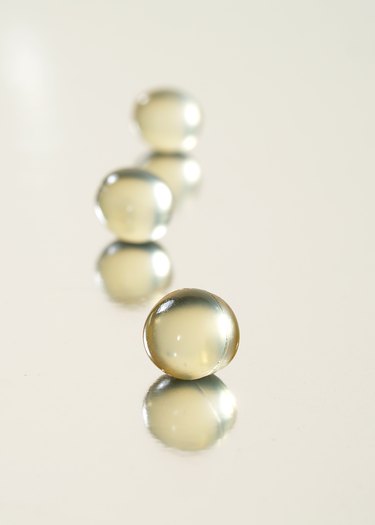
A garlic pearl refers to a single clove of garlic, but in supplements, a pearl usually means a round or elongated, gelatin-covered capsule. Some garlic supplements contain only the essential oils, while others are made from extracted fluids. When fresh garlic is extracted over a long period, the end product -- aged garlic extract -- is odorless and contains a more concentrated amount of active ingredients. A third type of garlic supplement -- dehydrated garlic powder -- is made by drying the whole clove. You can also find supplements containing garlic oil macerate, which is produced by grinding cloves of garlic and mixing them with oil.
Video of the Day
Cardiovascular Benefits
Garlic supplements exert several effects that help keep your heart and blood vessels healthy. When researchers reviewed the results of 80 clinical trials, they concluded that garlic powder significantly reduced blood levels of total cholesterol and bad cholesterol. They also found that taking garlic powder lowered blood pressure, according to their results reported in Nutrition Research and Practice in December 2014. Researchers haven't determined the precise way that sulfur compounds lower blood pressure, but they may affect nitric oxide, which improves blood flow by relaxing muscles in blood vessel walls, suggests a report in Nutrition Research in February 2014.
Antioxidant Protection
Sulfur-based compounds in garlic exhibit strong antioxidant activity, so they may neutralize reactive molecules, free radicals, before the molecules damage cells and cause inflammation. More research is needed to determine the antioxidant potential in various garlic pearl supplements, but studies have determined that heat during processing can cause a loss of active ingredients, according to a review in Molecules in January 2013. The review reports that aged garlic extract has significantly more sulfur compounds than heated garlic extract. Powdered or dehydrated garlic supplements are usually dried at low temperatures to prevent loss of active ingredients, according to the Linus Pauling Institute.
Potential Side Effects
Garlic pearl supplements are not all odorless, which means that some may cause bad breath or body odor. You may also experience side effects such as heartburn, nausea, vomiting, gas and diarrhea. Pregnant and breast-feeding women should not take high doses of garlic because its safety has not been studied. Garlic can irritate the digestive tract, so be cautious about using garlic supplements if you have stomach or bowel problems. Supplemental garlic may interfere with a variety of prescription medications, especially birth control pills and medications used to treat HIV and AIDS, prevent blood clots and lower blood pressure. If you take medications, talk to your health care provider before taking garlic supplements.
- Linus Pauling Institute: Garlic and Organosulfur Compounds
- Nutrition Research and Practice: Garlic Powder Intake and Cardiovascular Risk Factors: A Meta-Analysis of Randomized Controlled Clinical Trials
- Molecules: Antioxidant Action and Therapeutic Efficacy of Allium Sativum L.
- MedlinePlus: Garlic
- Nutrition Research: Mechanisms Underlying the Antihypertensive Effects of Garlic Bioactives
- DermnetNZ.org: Nitric Oxide