







What Are the Causes of Decreased Kidney Function?

What Are the Causes of Decreased Kidney Function?
Photo Credit Jupiterimages/Photos.com/Getty Images

The kidneys act as the filtration system of the human body and eliminate wastes from the blood, so it is important that they function properly. However, decreased kidney function can occur in men and women due to a wide range of causes. Understanding these causes can help people take preventive measures to preserve their kidney function.

Diabetes

Statistics published by the National Kidney and Urologic Diseases Information Clearinghouse show that diabetes accounts for almost 44 percent of new cases of kidney failure. In diabetes, the body is unable to produce enough insulin or use insulin properly. Diabetes can lead to high blood sugar levels, which can damage the blood vessels and contribute to decreased kidney function.

Cardiovascular Conditions

While the kidneys are responsible for blood filtration, they also rely on an adequate supply of blood to function properly. According to physicians from the Mayo Clinic, cardiovascular conditions that cause an inadequate amount of blood to reach the kidneys can cause decreased kidney function. Very low blood pressure can reduce the amount of blood that reaches your kidneys. Blood flow to the kidneys can also be limited by congestive heart failure or cardiac events such as heart attack.

High Blood Pressure

High blood pressure (hypertension) is another leading cause of decreased kidney function. When someone has high blood pressure, the heart has to work harder to pump blood throughout the body. According to NKUDIC, this can damage blood vessels. If the kidney blood vessels become damaged, the ability of the kidneys to remove wastes and fluid in the body decreases. The remaining fluid can cause blood pressure to increase, resulting in a cycle of kidney damage and hypertension.

Chemical Injury

Because the kidneys filter waste products from the blood, ingesting high amounts of toxins can cause a decrease in kidney function. Physicians from the Mayo Clinic list alcohol, solvents, fuels, heavy metals and cocaine as examples of toxins that can hurt the kidneys. When someone is exposed to high levels of these toxins, the workload of the kidneys is increased and the blood vessels may become damaged.

Bladder and Ureter Obstruction

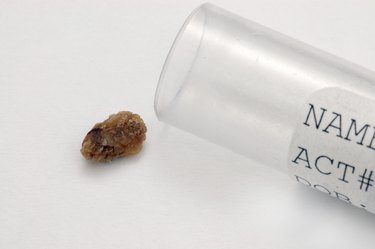
According to physicians from the Mayo Clinic, bladder and ureter obstruction can lead to decreased kidney function. When the bladder and ureters are obstructed, urine cannot be excreted from the body properly. When urine is retained, it can back up into the kidneys and cause damage to the blood vessels. The bladder and ureters can become obstructed due to kidney stones, blood clots, nerve disorders and narrowing of the ureters. In men, prostate enlargement can also cause urinary retention that leads to decreased kidney function.

Excess Protein Intake

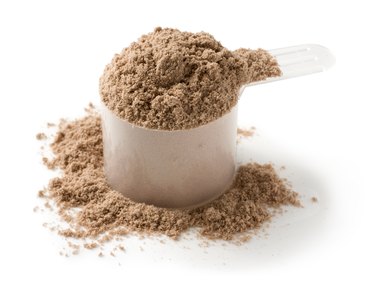
The Harvard University Gazette cites research from Brigham and Women's Hospital that indicates that excess protein intake can lead to decreased kidney function. According to study findings, which were published in Annals of Internal Medicine, excess intake of animal protein is associated with a decline in kidney function in women who already had a mild decrease in kidney performance. For women with a mild decline in kidney function, a low-protein diet may be necessary to prevent further kidney damage.

References

Article reviewed by Renee Peterson Last updated on: Mar 28, 2011

Must see: Photo Galleries