



The gallbladder is a small pear-shaped organ connected to both the liver and the small intestine. Although important for digestion, the gallbladder is a non-essential organ. This means that some gallbladder complications can be effectively cured through removal without compromising body function. In the absence of the gallbladder, the bile duct enlarges to take on the organ's bile-storing role. Removal of the gallbladder, or cholescystectomy, is performed two ways. In an open cholecystectomy, the organ is removed via a single large incision. Laparoscopic cholecystectomy is less invasive, requiring four small incisions for removal. Recovery time depends on the patient and the method of removal. The same is true for occurrence of side effects of gallbladder removal.
Pain and Fatigue
Weakness and abdominal tenderness are common after a gallbladder removal. According to MayoClinic.com, recovery time depends on the type of surgery performed and the health of the patient. Open surgery may take as long as a week to heal, whereas a laparoscopic cholecystectomy may only require a few days.
Nausea and Vomiting
Patients who undergo both open and laparoscopic cholecystectomy often experience nausea and vomiting soon after surgery. This is usually due to the anesthesia. These symptoms may be treated with injections and anti-nausea medications. If vomiting persists, the surgeon should be notified, according to the American College of Surgeons.
Diarrhea and Constipation
Medications given after surgery may cause diarrhea and constipation. Increased fiber can aid with these issues. If diarrhea lasts longer than three days, the American College of Surgeons suggests calling a doctor.
Long-term Side Effects
According to "Nutrition Therapy and Pathophysiology," nearly half of patients experience digestive problems a year following cholecystectomy. The cause of reported heartburn, nausea and diarrhea, however, is unclear. MayoClinic.com states symptoms may be related to increased bile secretion which can produce undesirable effects.
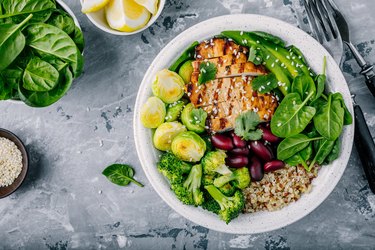
Eliminating or reducing caffeine, dairy foods and highly sweet, fatty or fried foods from the diet may be beneficial as they can exacerbate digestive problems. If symptoms persist, medications prescribed by a doctor, or nutrition therapy provided by a dietitian, may provide relief.
References
- Medline Plus: Gallbladder Diseases
- "Anatomy & Physiology"; Elaine N. Marieb;
- MayoClinic.com: Cholecystectomy
- American College of Surgeons: Cholecystectomy
- "Nutrition Therapy and Pathophysiology"; Marcia Nelms, Kathryn Sucher, Sara Long; 2007


